
Pruning
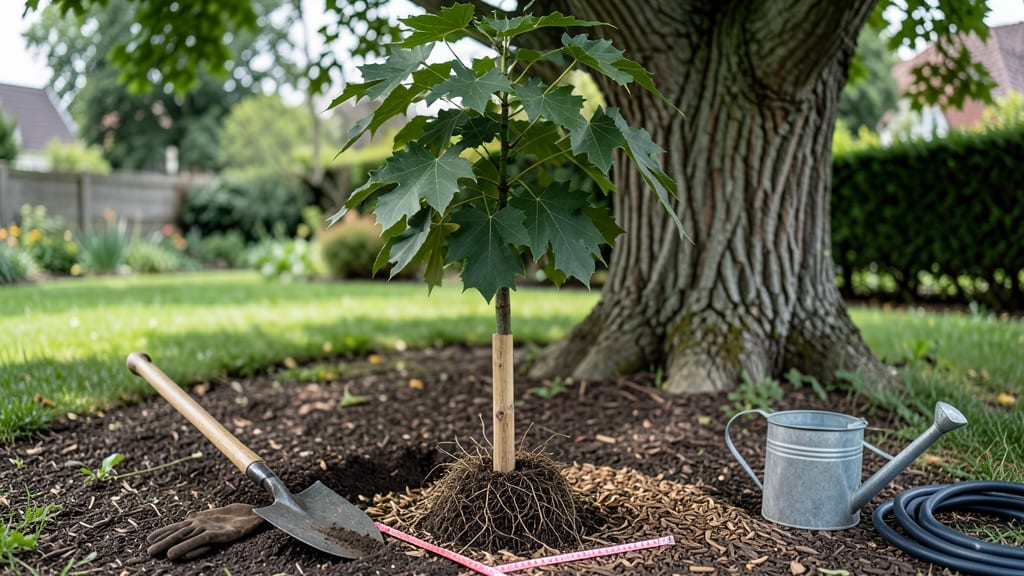
Planting trees in London means choosing species that thrive despite the city’s damp winters and tight spaces—I’ve planted over 20 trees here, and these are the ones that survive (and even flourish) year-round.
The key isn’t just picking a sturdy sapling; it’s prepping the soil to handle London’s heavy clay, picking the right spot for roots to spread, and knowing when to plant so frost doesn’t catch them off guard.
Start with native species like field maple or silver birch—they’re already adapted to London’s climate, need less water once established, and support local wildlife. For ornamental options, London plane trees handle pollution and wind, while hornbeams add structure without taking over.
But here’s the catch: root space matters. In urban areas, dig a hole twice as wide as the root ball to avoid girdling roots later.
Once planted, mulch heavily (3-4 inches) to lock in moisture and regulate soil temperature—critical during London’s unpredictable springs. Water deeply once a week for the first year, even if it rains, because clay soil drains poorly.
The payoff? A tree that grows stronger roots, faster, and handles the city’s stresses without wilting.
London’s Tree Warden scheme offers free advice and even helps with planting—just check your borough’s website. For supplies, local nurseries like Hillier’s or Westons stock climate-tested stock, and many offer delivery to avoid root disturbance.
With the right prep, your tree won’t just survive—it’ll become the green backbone of your garden for decades.
📚 In This Guide
- What you need
- Instructions
- Tips and common mistakes
- Wrapping up and next steps
What you need
- ● Tree saplings: Choose climate-resistant varieties like London Plane, Silver Birch, or Hawthorn (3–5 per planting session, depending on space). Ensure they’re bare-root or potted with healthy root systems.
- ● Shovel: A round-point shovel (18–24 inches long) for digging holes efficiently.
- ○ Garden fork: For loosening compacted soil (optional but helpful for drainage).
- ● Measuring tape: To check hole depth (2–3x wider than the root ball) and spacing (10–15 feet apart for mature trees).
- ● Compost or mulch: 1–2 wheelbarrows of organic compost (e.g., well-rotted manure or leaf mold) to enrich soil.
- ● Watering can or hose: With a gentle spray nozzle to avoid displacing soil.
- ○ Tree stakes (optional but recommended): 2–4 stakes per tree (2–3 feet tall) + soft ties (e.g., tree straps) to support young saplings.
- ● Gloves: Heavy-duty gardening gloves to protect hands from thorns and rough soil.
- ● Soil tester kit: To check pH levels (ideal: 6.0–7.0 for most trees).
- ● Mycorrhizal fungi: A powder to boost root growth (mix into planting hole).
- ● Tree guard: A plastic spiral wrap to protect young trunks from pests.
- ● Wheelbarrow: For hauling soil, compost, or tools.
- ● Knee pads: Because comfort matters when digging! 😉
Instructions for planting climate-resistant trees in London
Here’s how to plant trees that thrive year-round in London’s variable climate—with precise steps for soil, spacing, and seasonal care.
Choose the Right Tree for London’s Climate
London’s urban environment demands trees that tolerate air pollution, compacted soil, and fluctuating temperatures. Opt for species like London plane (Platanus × acerifolia), field maple (Acer campestre), or silver birch (Betula pendula)—all proven to handle the city’s conditions. Check the tree’s mature height and spread to ensure it fits your space; a 20-foot tree needs at least 15 feet of clearance from buildings and sidewalks.
For street planting, prioritize trees with strong root systems that won’t crack pavement. Avoid invasive species like sycamore, which can outcompete native flora. If planting near a property line, confirm local council guidelines—some areas require permits for trees over 30 feet tall. Always plant in autumn or early spring when trees are dormant, giving roots time to establish before summer heat.
Prepare the Planting Site for Urban Conditions
Dig a hole twice as wide as the root ball but no deeper—this prevents soil compaction around the roots. In London’s clay-heavy soil, loosen the sides of the hole with a fork to encourage root spread. If planting in a paved area, use a tree pit system with a 3-inch layer of gravel at the bottom for drainage, topped with high-quality topsoil mixed with compost to improve aeration.
For container-grown trees, remove the pot and tease the roots gently if they’re circling. Place a stake only if necessary—over-reliance on stakes weakens stems. In windy areas, secure the tree with three stakes at 45-degree angles, but avoid tying too tightly. Water the hole 24 hours before planting to settle the soil and make placement easier.
Plant and Backfill with Soil Amendments
Position the tree so the root flare (where roots meet the trunk) sits 1-2 inches above ground level—burying it too deep suffocates roots. Spread the roots evenly in the hole, ensuring none are folded or circling. Backfill with the native soil (not fresh topsoil) to preserve microbial balance, tamping lightly every 6 inches to eliminate air pockets.
Create a watering basin by mounding soil around the edges to direct irrigation to the roots. In urban areas, add a 3-inch layer of mulch (wood chips or bark) within the basin, keeping it 6 inches away from the trunk to prevent rot. Water deeply immediately after planting—this helps settle the soil and eliminates air gaps that can strangle roots.
Establish Seasonal Care for Long-Term Survival
For the first year, water weekly during dry spells (check soil moisture 3 inches deep—if dry, water thoroughly). In London’s summers, deep watering once a week is better than shallow, frequent watering, which encourages weak roots. Avoid overhead sprinklers, which waste water and spread disease. After the first year, trees typically establish enough to handle London’s rainfall patterns.
Fertilize only if the soil is poor or compacted—use a slow-release organic fertilizer in early spring. Prune dead or crossing branches in late winter, but avoid heavy pruning in the first year. Monitor for aphids or vine weevils, common in urban trees, and treat with horticultural oil if needed. London’s alkaline soil may require lime applications every few years, so test soil pH annually.
Protect and Monitor for Urban Challenges
Urban trees face soil compaction, pollution, and physical damage—mitigate these by limiting foot traffic near the trunk and installing root barriers if planting near driveways. In polluted areas, apply a foliar spray of seaweed extract twice a year to strengthen leaves. If the tree shows yellowing leaves in summer, it may need more water or better drainage—London’s clay soil can become waterlogged.
Check the stake system after 6 months—if the tree is stable, remove stakes to encourage natural trunk strength. For newly planted trees, wrap the trunk with tree guard to deter rodents and protect from winter sunscald. In autumn, apply a thick mulch layer to insulate roots against London’s sharp frosts. With proper care, your tree will thrive for decades, improving air quality and urban biodiversity.
Tips & tricks for planting climate-resistant trees in London
London's urban climate demands extra attention—here's how to give your trees the best start possible without overcomplicating the process.
Species Selection: When choosing between London plane, field maple, or silver birch, consider their specific urban adaptations. London plane handles pollution best, field maple thrives in compacted soil, and silver birch tolerates both. I always verify the tree's mature height against your space—nothing worse than planting a 30-foot tree in a 20-foot clearance zone. Check local council guidelines before planting near property lines, as some require permits for trees exceeding 30 feet.
Site Preparation: The 24-hour pre-watering of the planting hole is non-negotiable—it prevents soil collapse when you plant. For clay-heavy London soil, I recommend adding a 3-inch gravel layer in tree pits to improve drainage. Never use fresh topsoil for backfilling; native soil preserves the microbial balance that helps roots establish. When teasing roots from containers, look for circling roots—they'll strangle your tree if left unchecked.
Root Flare Placement: Positioning the root flare 1-2 inches above ground level is critical—burying it too deep suffocates roots. I use a simple trick: draw a line on the root ball at planting depth, then match it to the hole's edge. For staking, only use three stakes at 45-degree angles in windy areas, and never tie too tightly—you want to support, not restrict growth. After 6 months, check stability and remove stakes if possible to encourage natural trunk strength.
Watering Strategy: London's summers demand deep, infrequent watering rather than shallow frequent watering. The 3-inch soil moisture check is your guide—if dry, water thoroughly until it drains through. I've seen many trees fail because of inconsistent watering patterns. For the first year, maintain this weekly schedule during dry spells, then let nature take over after establishment. Mulch helps retain moisture, but keep it 6 inches away from the trunk to prevent rot.
Pro Tips for Tree Planting London
- London's urban climate demands extra attention—here's how to give your trees the best start possible without overcomp...
- Species Selection: When choosing between London plane, field maple, or silver birch, consider their specific urban ad...
- Site Preparation: The 24-hour pre-watering of the planting hole is non-negotiable—it prevents soil collapse when you ...
Frequently asked questions
Got questions about planting trees in London?
You’re not alone! Whether you’re a green-thumb beginner or a seasoned gardener, here are answers to the most common queries about tree planting in London—plus tips to ensure your climate-resistant trees thrive year-round.
What’s the best time of year to plant trees in London’s climate?
London’s mild but unpredictable weather makes autumn (September–November) and early spring (March–April) ideal. These periods give young trees time to establish roots before extreme heat or frost. Avoid planting in winter (risk of frost damage) or peak summer (drought stress).
How often should I water newly planted trees in London?
For the first 12–18 months, water deeply once a week (more in dry spells). Focus on the root zone, not the leaves, and mulch to retain moisture. Pro tip: Use a drip irrigation system or soaker hose for consistent hydration—London’s clay soil drains poorly!
Which trees are easiest to plant and maintain in London?
Opt for climate-resistant, low-maintenance varieties like:
- Silver Birch (tolerates urban pollution and poor soil)
- Hornbeam (drought-tolerant, great for hedges)
- London Plane (handles air pollution and compact spaces)
- Rowan (Mountain Ash) (native, pest-resistant, and wildlife-friendly)
Why is my newly planted tree wilting or turning yellow?
Wilting or yellowing often signals overwatering, underwatering, or root stress. Check the soil—it should be moist but not soggy. If leaves curl or drop, your tree may be shocked from transplanting or struggling with pests (like aphids). Trim damaged foliage and adjust watering. For severe issues, consult a local arborist.
Can I plant a tree in a small London garden or urban space?
Choose compact, slow-growing trees like:
- Dwarf Korean Lilac (6–8 ft tall)
- Japanese Maple (ornamental, shade-tolerant)
- Columnar Apple Trees (vertical growth, fruit-bearing!)
Do I need a permit to plant a tree in London?
Most private gardens don’t require permits, but check with your local council if planting near highways, pavements, or conservation areas. Trees over 2 meters tall near roads may need approval. For public spaces, contact the City of London Corporation or your borough’s environment team.
Wrapping up and next steps
Planting trees in London isn’t just about greening the city—it’s about building a resilient future for generations to come. 🌱 By choosing climate-resistant species and following best practices, you’re not only enhancing local ecosystems but also creating spaces that thrive despite urban challenges.
Whether you’re a seasoned gardener or a first-time planter, every tree makes a difference!
Ready to take action? Start small—plant one tree today, and inspire others to join the movement. Your green thumb could spark a ripple effect across London’s landscapes! Let’s grow together.