
Pruning
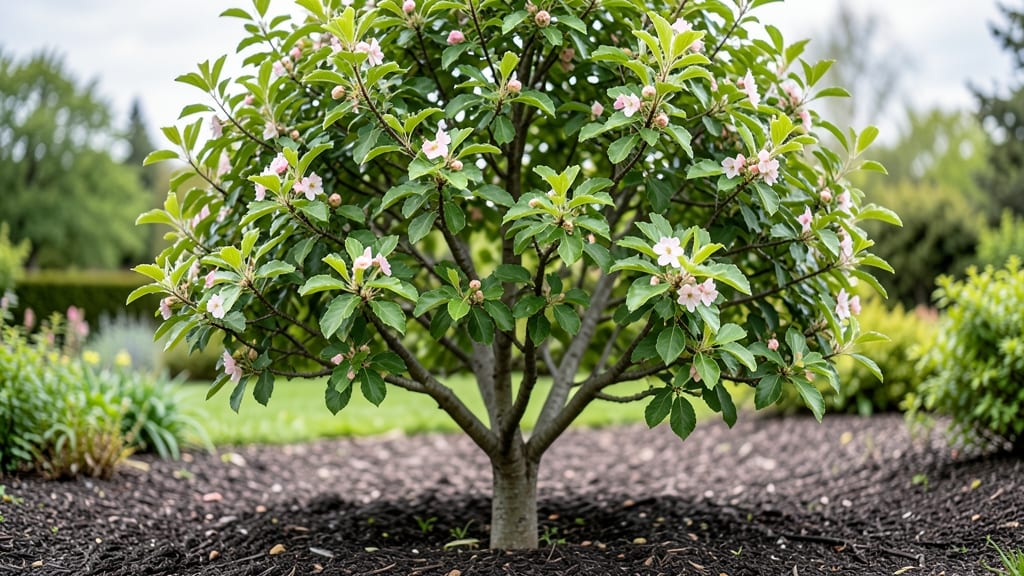
Summer pruning transforms your crabapple tree from a tangled mess into a showstopper with fewer branches and more blooms. 🌿 I’ve learned the hard way that summer cuts—done right—keep trees healthy, boost fruit production, and prevent that messy, overgrown look by fall.
The key? Timing, tools, and knowing which branches to trim before they become a problem.
You’ll need sharp bypass pruners, a ladder (for higher branches), and a clear day when temps are mild—think early morning or late afternoon. The goal is to remove water sprouts (those vertical, skinny shoots) and any crossing branches that rub together, which can create wounds where pests love to hide.
A 30-minute session now saves hours of cleanup later.
What you’ll get is a tree that handles summer heat better, with stronger branches and fewer fruit drop issues. The right cuts encourage new growth where you want it, and you’ll notice fewer pests like codling moths because the tree’s structure stays open and airy.
Plus, those vibrant red or yellow fruits will stand out against a cleaner canopy.
This works for any mature crabapple—whether it’s a dwarf variety** in your yard or a towering centerpiece. Just skip pruning when the tree is flowering or fruiting heavily, and you’re golden. Let’s get those branches looking intentional!
📚 In This Guide
- What you need
- Instructions
- Tips and common mistakes
- Wrapping up and next steps
What you need
- ● Pruning shears: Bypass pruners (for cuts up to ½ inch thick) – 1 pair (look for sharp, ergonomic handles).
- ● Loppers: Bypass or anvil type (for branches ½ to 1½ inches thick) – 1 pair (with a long handle for reach).
- ● Pruning saw: Curved-tooth saw (for branches 1½+ inches thick) – 1 (avoid cheap blades—they dull fast!).
- ● Gloves: Heavy-duty, cut-resistant (to protect from thorns and sap) – 1 pair (gardening or pruning-specific).
- ● Disinfectant: Rubbing alcohol (70%+) or pruner cleaner – small bottle (sterilize tools between cuts to prevent disease spread).
- ○ Sealing wax: Tree wound sealant (optional but helpful for large cuts) – small tub (look for natural, non-toxic options).
- ● Extension pole: For hard-to-reach branches – 1 (with a saw or shears attachment).
- ● Ladder: Sturdy, non-slip (if tree is over 6 feet tall) – 1 (never stand on wobbly ladders!).
- ● Marking twine or flags: To tag branches for removal – small roll (bright color for visibility).
- ● Work boots: Steel-toe or sturdy shoes (for protection and grip).
- ● Water & snacks: Summer pruning is a workout—1 bottle + light snacks (hydration is key!).
Step-by-Step guide to summer pruning for crabapple trees
Summer care transforms your crabapple into a showstopper—here’s how to prune for health and beauty.
🌿 Step 1: Assess the Tree for Pruning Needs
Start by examining your crabapple for dead, diseased, or crossing branches—these are your top priorities. Dead branches snap easily when bent, while diseased ones may show discolored bark, oozing sap, or fungal growth. Crossing branches (those rubbing against each other) create wounds that invite pests and rot.
Look for water sprouts—fast-growing, vertical shoots that steal energy from fruit production. These are often thinner than pencil leads and grow straight up from the trunk or branches. Mark these with a small piece of twine or tape so you don’t miss them during pruning.
✂️ Step 2: Make Clean Cuts Using Proper Technique
Use sharp, clean pruners to make cuts just outside the branch collar—the swollen area where the branch meets the trunk. Avoid leaving stubs, as they invite decay. For branches thicker than ½ inch, use loppers or a pruning saw to prevent tearing the bark.
Cut at a 45-degree angle for branches larger than 1 inch to help water runoff away from the wound. For smaller branches, a straight cut is fine. Always prune in dry, sunny conditions—never when the tree is wet, as this spreads disease through open wounds.
☀️ Step 3: Thin the Canopy for Airflow and Light
Remove 20-30% of the tree’s foliage to improve airflow and sunlight penetration. Focus on overlapping branches that block light from reaching the interior. Start at the outer canopy and work inward, removing branches that grow inward or downward.
Watch for suckers—shoots growing from the base or roots. These divert energy from fruit production. Cut them off at the base with clean pruners. After pruning, step back and visualize the tree’s shape—aim for an open, vase-like structure that allows light to reach all branches.
💧 Step 4: Clean Up and Monitor for Recovery
Rake up and dispose of all pruned material—never leave it beneath the tree, as it can harbor pests and disease. Sterilize your pruners with rubbing alcohol between cuts if you’re working on multiple trees to prevent cross-contamination.
Water the tree deeply after pruning to help it recover. Watch for new growth in the following weeks—this indicates the tree is healing well. If you notice yellowing leaves, wilting, or oozing sap at pruning sites, the cuts may be too severe or infected. In that case, apply pruning sealant to larger wounds.
⏰ Step 5: Schedule Follow-Up Pruning for Next Season
Summer pruning keeps your crabapple healthy, but winter is the best time for structural pruning. Mark any major branches that need removal in late winter or early spring before buds swell. Avoid heavy pruning in late summer or fall, as it can stimulate tender growth that won’t harden off before winter.
Fertilize lightly in early spring with a balanced, slow-release fertilizer to support new growth. Mulch around the base (keeping it 3 inches away from the trunk) to retain moisture and regulate soil temperature. With consistent care, your crabapple will reward you with vibrant blooms, abundant fruit, and a strong structure for years to come.
Tips & tricks for perfect crabapple tree summer pruning
Summer pruning isn’t just maintenance—it’s an investment in your tree’s future beauty and productivity. Here’s how to elevate your technique beyond the basics.
Branch Assessment: When inspecting for dead branches in Step 1, use a small flashlight to examine the inner bark of suspicious branches. Healthy bark should be smooth and greenish-brown, while diseased bark often appears dark, cracked, or covered in fungal growth. If you’re unsure, make a small cut—healthy wood is firm and light-colored, while rotten wood is soft and discolored.
Precision Cutting: In Step 2, the 45-degree angle for branches over 1 inch isn’t just about aesthetics—it’s about wound healing. This angled cut creates a natural water runoff channel, preventing water from pooling in the wound and causing rot. For branches between ½ inch and 1 inch, a slight bevel (about 30 degrees) still helps, even if instructions call for straight cuts.
Canopy Visualization: After removing 20-30% of foliage in Step 3, stand back and visualize sunlight paths through the tree. The goal is to create "sunlight corridors" where light reaches all branches. If you notice dark, shaded areas in the center, those are your targets for next summer’s pruning. A simple trick: hold a piece of cardboard at eye level and move it around the tree—any area where the cardboard blocks light needs more thinning.
Recovery Monitoring: The new growth you’re watching for in Step 4 should appear within 2-3 weeks after pruning. If you don’t see fresh, vibrant leaves emerging from the pruning sites within this window, it may indicate stress from over-pruning. In that case, apply a thin layer of root stimulator to the soil surface (not directly on the trunk) to encourage recovery.
Pro Tips for Crabapple Tree Summer
- Summer pruning isn’t just maintenance—it’s an investment in your tree’s future beauty and productivity. Here’s how to...
- Branch Assessment: When inspecting for dead branches in Step 1, use a small flashlight to examine the inner bark of s...
- Precision Cutting: In Step 2, the 45-degree angle for branches over 1 inch isn’t just about aesthetics—it’s about wou...
Frequently asked questions
Got questions about crabapple tree summer pruning?
You’re not alone! Here are answers to the most common concerns—from timing to troubleshooting—to keep your tree thriving all season long.
When is the best time to prune a crabapple tree in summer?
Prune your crabapple tree in late summer (August–early September) to avoid stressing the tree before winter. This timing promotes healing and prepares it for spring blooms. Pro tip: Avoid heavy pruning in extreme heat—wait for cooler days (60–75°F) for faster recovery.
Can I prune a crabapple tree in early summer?
Early summer pruning (June–July) is possible but riskier. Focus on light maintenance—removing dead wood or crossing branches—to minimize stress. Heavy pruning this late can invite pests or disease. If you must prune early, do so early in the morning to reduce heat stress.
Why are my crabapple tree’s leaves turning brown after pruning?
Brown leaves post-pruning usually mean heat stress, over-pruning, or fungal exposure. Check for:
- Thin cuts (use sharp tools!)
- Water deeply after pruning
- Fungicide if saw cuts look discolored
Will summer pruning ruin my crabapple’s spring flowers?
No! Pruning in late summer won’t harm next year’s blooms—in fact, it enhances them by improving airflow and sunlight. Just avoid cutting back more than 25% of the canopy in one season. Focus on structural shaping and deadwood removal for best results.
What’s a good alternative if my crabapple tree is too young to prune?
Young crabapple trees (under 3 years) need minimal pruning—just remove:
- Dead or broken branches
- Competing leader stems (if multiple upright branches exist)
- Suckers at the base
Wrapping up and next steps
Your crabapple tree summer pruning journey is all about balancing beauty and health—one strategic cut at a time! 🌿 By mastering the right techniques and timing, you’ll ensure your tree thrives year-round with vibrant blooms and sturdy structure.
Now that you’re armed with the how and why, it’s time to grab those shears and give your tree the care it deserves.
Ready to transform your yard? Start by scheduling your next pruning session—whether it’s a light summer trim or a deeper winter overhaul. Your crabapple’s future (and your curb appeal!) will thank you. 🌟