
Pruning
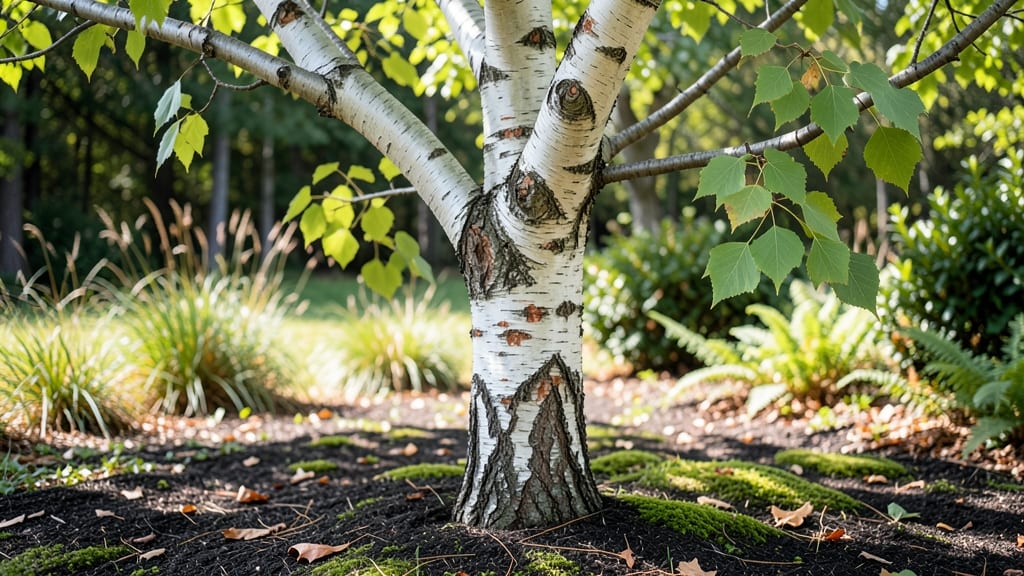
The delicate, peeling bark of a river birch tree leaf isn’t the only thing worth admiring—its leaves hold the secret to a lush, year-round canopy. 🌿 These asymmetrical, serrated-edged leaves turn golden in fall, but their health depends on how (and when) you prune.
One wrong cut can leave your tree looking ragged instead of graceful.
Start by removing dead or crossing branches in late winter or early spring, before new growth appears. Look for leaves that turn yellow-brown or show signs of pests like aphids—these are the first clues your tree needs attention.
A sharp pair of pruners and a 50-foot tape measure (for taller trees) are all you’ll need to keep your birch looking its best.
With proper pruning, your river birch will reward you with vibrant green foliage all summer and those stunning exfoliating trunks year-round. The key is timing: prune too late, and you risk encouraging suckers or weak growth. Too early, and you might damage buds already forming.
For larger trees, consider hiring a professional—river birches can grow 40-70 feet tall, and their branches are surprisingly heavy. But with the right cuts, your tree will stay strong, healthy, and full for decades. Here’s how to do it right.
📚 In This Guide
- What you need
- Instructions
- Tips and common mistakes
- Wrapping up and next steps
What you need
- ● Pruning shears or lopers: Choose bypass pruners (for cuts under ½ inch) or lopers (for thicker branches, up to 1½ inches). Look for sharp, stainless-steel blades to avoid crushing branches. Quantity: 1 pair.
- ● Pruning saw: A curved-tooth pruning saw for branches thicker than 1½ inches. Opt for a lightweight, ergonomic design for ease. Quantity: 1.
- ● Gloves: Wear gardening gloves (preferably with reinforced palms) to protect against thorns and rough bark. Quantity: 1 pair.
- ● Disinfectant (70% isopropyl alcohol or bleach solution): Clean tools between cuts to prevent disease spread. Quantity: Small spray bottle or wipe.
- ● Ladder or step stool: For reaching higher branches safely. Ensure it’s stable and tall enough for your tree’s height. Quantity: 1 (if needed).
- ● Heavy-duty trash bags: For collecting pruned branches and debris. Quantity: 2-3.
- ● Hand pruners with a bypass blade: For precision trimming of smaller branches.
- ● Pole pruner: Extends your reach for high branches without a ladder.
- ○ Tree wound dressing (optional): Some gardeners use pruning sealant, but research shows it’s often unnecessary for birch trees.
- ● Notebook & pen: To jot down notes on cuts made or future pruning plans.
- ● Safety goggles: Protects eyes from debris, especially when using a saw.
How to prune river birch trees for healthy, attractive branches
River birch trees reward careful pruning with stunning exfoliating bark and lush foliage. Here's my tested approach to keep them thriving.
🪴 Step 1: Assess the Tree and Gather Your Tools
Start by examining the tree in early spring before new growth begins. Look for dead, crossing, or rubbing branches—they're your first targets. I always wear gloves and safety glasses because birch sap can irritate skin and the branches are often brittle. Bring sharp pruning shears for cuts under 1 inch in diameter and a pruning saw for anything thicker.
Check the tree's natural shape. River birches grow with a vase-like form, so maintain that open structure. Remove any branches growing straight upward from the trunk—they'll compete with the main canopy. Never remove more than 25% of the tree's foliage in one season, or you'll stress the tree.
✂️ Step 2: Remove Dead, Diseased, and Problem Branches
Begin with dead branches—they're easy to spot as they're brown, brittle, and often crisscross the tree. Cut these back to the trunk or a healthy lateral branch. Next, remove any branches that are rubbing against each other or growing into the center of the tree. These create wounds that invite disease and weaken the tree's structure.
For diseased branches, make your cut 6-12 inches below the first sign of discoloration or fungal growth. Sterilize your tools with rubbing alcohol between cuts to prevent spreading pathogens. If you see signs of borers (tiny holes or sawdust-like frass), treat those areas with a systemic insecticide.
☀️ Step 3: Thin the Canopy for Airflow and Light
Move to selective thinning to improve airflow and sunlight penetration. Focus on branches that are too close together—they compete for resources and create dense, shady areas where fungi thrive. Aim to remove branches that are growing inward or downward, which disrupt the tree's natural shape.
Make your cuts just outside the branch collar—the swollen area where the branch meets the trunk. Avoid leaving stubs, as they invite decay. For larger branches, use the three-cut method: make your first cut about 12-18 inches out from the trunk, then a second cut on the underside of the branch to control its fall, and finally, clean up the stub flush with the branch collar.
🌿 Step 4: Shape the Tree for Balance and Aesthetics
Now it's time to refine the tree's shape. River birches have beautiful, peeling bark that's best displayed when the tree has an open, airy structure. Step back frequently to assess the tree's balance and symmetry. Remove any branches that grow at sharp angles or are too long—these can break in storms and create hazards.
For younger trees, you can guide their growth by selectively pruning branches to encourage a stronger central leader. Avoid heavy pruning of the top branches, as this can lead to sunburn on the bark. Instead, focus on removing lower branches that are no longer needed for structure. Always make cuts just above a bud or lateral branch to encourage healthy regrowth.
🌱 Step 5: Clean Up and Monitor for Recovery
After pruning, remove all debris from the ground to prevent disease and pests from taking hold. Apply a thin layer of mulch around the base of the tree, keeping it 3-4 inches away from the trunk to avoid suffocating the roots. Water the tree deeply to help it recover from the stress of pruning.
Monitor the tree over the next few weeks for signs of stress, such as wilting leaves or unusual discoloration. If you see new growth emerging from the cut areas, that's a good sign the tree is healing well. Avoid pruning again for at least 6-12 months, unless you need to remove hazardous branches. Regular, light pruning keeps river birches healthy and beautiful for decades.
Tips & tricks for pruning river birch trees
These essential insights will help you transform your river birch into a stunning landscape centerpiece while keeping it thriving for decades.
Timing is Everything: Early spring is the absolute best time to prune river birches because the tree's energy is focused on new growth rather than wound healing. I've learned this the hard way—pruning in late summer or fall can leave the tree vulnerable to disease and pests. If you absolutely must prune outside this window, do so on a dry day in early winter when the tree is dormant, but avoid heavy pruning.
Tool Precision Matters: Using the right tool for each branch size makes all the difference. For branches under 1 inch in diameter, sharp pruning shears create clean cuts that heal faster. For thicker branches, a pruning saw with a fine-tooth blade prevents tearing. I always sterilize my tools between cuts—especially when dealing with diseased branches—to prevent spreading pathogens. A small bottle of rubbing alcohol works perfectly for this.
Branch Collar Awareness: The branch collar—the swollen area where a branch meets the trunk—is crucial for proper healing. Always make your cuts just outside this collar to preserve the tree's natural defense mechanisms. I've seen too many pruning jobs where stubs were left, creating perfect entry points for decay. For larger branches, the three-cut method prevents bark from tearing while the branch falls.
Stress Management: Never remove more than 25% of the tree's foliage in a single season, as this can stress the tree significantly. River birches are resilient, but they still need time to recover. I recommend spreading out heavier pruning tasks over multiple years. After pruning, water deeply and apply a thin layer of mulch (keeping it 3-4 inches away from the trunk) to help the tree recover and reduce stress.
Pro Tips for River Birch Tree Leaf
- These essential insights will help you transform your river birch into a stunning landscape centerpiece while keeping...
- Timing is Everything: Early spring is the absolute best time to prune river birches because the tree's energy is focu...
- Tool Precision Matters: Using the right tool for each branch size makes all the difference. For branches under 1 inch...
Frequently asked questions
Got questions about keeping your river birch tree looking its best? Here are some common concerns—and their answers—to help you prune with confidence!
When is the best time to prune a river birch tree?
The ideal time to prune is late winter or early spring (before buds swell) to minimize stress and disease risk. You can also do light pruning in summer to shape branches, but avoid heavy cuts then. Never prune in fall—it invites pests and weakens the tree.
How much can I safely remove from my river birch?
Remove no more than 20-25% of the tree’s canopy in one season. River birches are resilient, but over-pruning can stress the tree. Focus on dead, diseased, or crossing branches first. For mature trees, thin selectively to improve airflow and sunlight penetration.
Why is my river birch bleeding sap after pruning?
Sap bleeding (or "weeping") is normal for river birches! It’s their way of sealing wounds. Don’t panic—it won’t harm the tree. Just clean cuts with pruning sealant if cuts are large (>2 inches). Avoid pruning during active sap flow (early spring) to reduce mess.
Can I prune a river birch in summer?
Yes, but only for shaping or removing small branches. Heavy summer pruning can stimulate water sprouts (fast-growing, weak branches). If you must prune, do it in early summer and avoid cutting into old wood—it won’t regrow well.
What if my river birch isn’t recovering after pruning?
Check for signs of stress like yellowing leaves, wilting, or fungal growth. If the tree is healthy but slow, it’s likely just adjusting. For diseased or dying branches, remove them immediately. If in doubt, consult a certified arborist—they can diagnose issues like birch borer or canker disease.
Still unsure? Drop your question in the comments—we’re happy to help your river birch thrive!
Wrapping up and next steps
The river birch tree leaf thrives with the right pruning care, offering year-round beauty and health. By following seasonal techniques—like removing dead branches in late winter and shaping in early spring—you’ll keep your tree vibrant and resilient. Remember, patience and consistency are key!
Ready to give your birch tree the love it deserves? Grab your tools, schedule a pruning session, and watch your tree flourish! 🌿✨