
Pruning
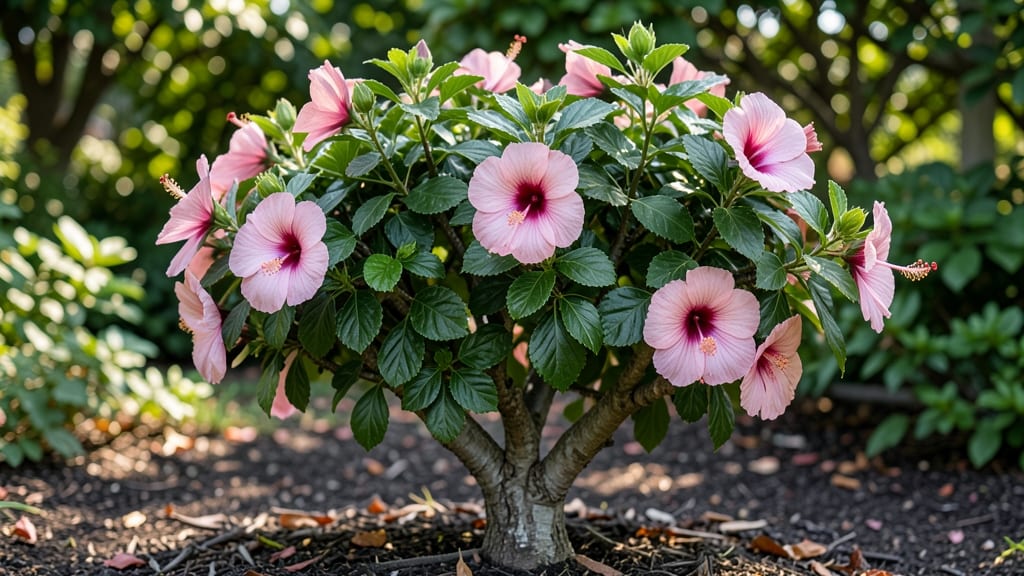
Shaping an Althea tree into its ideal form is all about guiding its natural growth into a structured, showstopping silhouette 🌳—and the right techniques make the difference between a wild shrub and a garden centerpiece.
If your Althea tree looks more like a tangled mess than a graceful, sunlit canopy, proper pruning is the key to transforming its wild growth into a structured masterpiece—without sacrificing its natural beauty or health.
This shrub thrives in USDA Zone 6a when planted in spring, and with the right approach, you can coax it into a perfect tree form that elevates any garden layout.
Whether you're aiming for a classic standard shape or a more artistic design, the process is simpler than you think.
Below, I’ll walk you through the exact pruning steps, seasonal timing, and support tricks to achieve a polished look—plus how to pair it with complementary plants for a cohesive, eye-catching display.
Understanding Althea tree growth habits and natural canopy forms
When cultivating an Althea tree (commonly known as Hibiscus syriacus), understanding its natural growth patterns is essential for shaping a stunning, healthy canopy. Unlike its wild, multi-stemmed shrub form, a trained tree-form Althea develops a single, sturdy trunk with a defined crown.
This transformation requires patience, as the tree’s growth evolves through distinct stages—from a juvenile sapling to a mature ornamental specimen—each with unique pruning needs.
The canopy structure of an Althea tree is heavily influenced by its light exposure and pruning timing. In full sun, branches grow outward, creating a broad, airy canopy, while partial shade can lead to dense, leggy growth.
Recognizing these cues early helps you guide the tree’s form without overcorrecting. For example, a healthy young tree will have vibrant green leaves and a compact growth habit, while an overgrown one may show thinning foliage or bare lower branches.
Here’s how the Althea tree’s form develops over time, along with key visual cues to monitor its health and structure:
The seasonal changes in an Althea tree’s growth directly impact its form. In spring, new shoots emerge rapidly, making it the ideal time to guide branch direction by tying flexible stems to stakes.
Summer growth slows slightly, but light pruning can encourage bushier foliage. By late fall, the tree enters dormancy, and its natural silhouette becomes more defined—perfect for assessing structural needs before winter.
Light exposure plays a critical role in shaping the canopy. A south-facing position ensures the tree receives 6+ hours of direct sunlight, promoting vigorous, outward growth. Without enough light, branches may stretch unaturally, leading to a weak, leggy structure.
To counteract this, rotate the tree occasionally if planted in a fixed container or supplement with a grow light during cloudy periods in early spring.
Pruning timing is just as important as technique. Winter pruning (late February to early March) removes dead or diseased wood and shapes the framework for the coming year. Avoid heavy pruning in late summer, as this can stimulate tender new growth vulnerable to fall frosts.
Instead, focus on light maintenance to keep the canopy aerated and healthy.
One of the most common mistakes gardeners make is neglecting the lower branches of the Althea tree. These branches provide structural support and contribute to the tree’s balanced form. If left unchecked, they can become overcrowded or weak, leading to a top-heavy canopy.
To prevent this, thin out lower growth annually while ensuring the trunk remains unobstructed for at least 3-4 feet from the ground.
Healthy Althea trees develop a distinctive, layered canopy with horizontal branches that create a natural tiered effect. Each layer should be spaced 12-18 inches apart to allow air circulation and sunlight penetration.
If your tree’s branches are growing too close together, it’s a sign to prune selectively to open up the interior structure. This not only improves aesthetic appeal but also reduces the risk of
Step-by-step pruning techniques for shaping Althea canopy like a pro
Transforming your Althea tree into a structured, eye-catching centerpiece starts with understanding its natural growth patterns. This shrub thrives on seasonal pruning, but timing and technique make all the difference.
Whether you're aiming for a standard tree form, a vase shape, or a multi-trunk design, the right cuts will encourage lush, balanced growth while maintaining your tree's health.
Before you grab your pruners, know that winter pruning (late winter to early spring) is ideal for shaping, while summer pruning focuses on maintenance and deadheading. The key is to identify live vs. dead branches—live branches have green bark and buds, while dead ones are dry, brittle, and brown.
Start by removing up to 30% of the canopy in one session to avoid shocking the plant.
🌿 Step-by-Step Guide to Pruning Althea Tree Form
-
Step 1: Gather Your Tools
- Bypass pruners for small branches (¼" diameter)
- Loppers for medium branches (½"–1½" diameter)
- Pruning saw for thick branches (1½"+ diameter)
- Rubbing alcohol (to sterilize tools between cuts)
- Garden gloves (for protection)
-
Step 2: Identify Dead or Damaged Branches
- Dead branches: Dry, brittle, no leaves/buds
- Crossing branches: Rub against each other
- Weak growth: Thin, spindly, or growing inward
- Mark these with flagging tape for removal
-
Step 3: Prune for Your Desired Shape
- Standard Tree Form: Keep 1 central leader, remove lower branches to create a trunk.
- Vase Shape: Prune outward-facing branches longer at the bottom, shorter at the top.
- Multi-Trunk: Select 3-5 strong stems at the base, remove competing growth.
-
Step 4: Make Clean Cuts
- Cut at a 45-degree angle, ¼" above a bud or branch collar.
- Avoid leaving stubs—they invite disease.
- For thick branches, use a 3-cut method to prevent tearing.
-
Step 5: Apply Wound Care
- Seal large cuts (>½") with pruning sealant to prevent disease.
- Remove all pruning debris from the base.
- Water deeply after pruning to reduce stress.
-
Step 6: Schedule Seasonal Maintenance
- Winter (Late Feb–Early March): Heavy pruning for shape.
- Summer (June–July): Light pruning to remove dead flowers and encourage blooms.
- Avoid pruning in fall—it stimulates new growth that won’t harden off.
When shaping your Althea tree, focus on open centers to allow sunlight and air circulation. This reduces the risk of fungal diseases like powdery mildew, which can plague dense canopies.
After pruning, step back and admire your work—your tree should now have a balanced silhouette that reflects your chosen form.
Pro tip: Thin out overcrowded branches first, then refine the outer shape. This ensures your tree maintains its structural integrity while encouraging vibrant, healthy growth. With patience and practice, your Althea will become the showstopper of your garden, blooming beautifully year after year.
Remember, pruning is an ongoing process. Check your tree every 6-8 weeks during the growing season to address any new issues. A well-pruned Althea not only looks stunning but also produces more flowers and grows stronger over time.