
Pruning
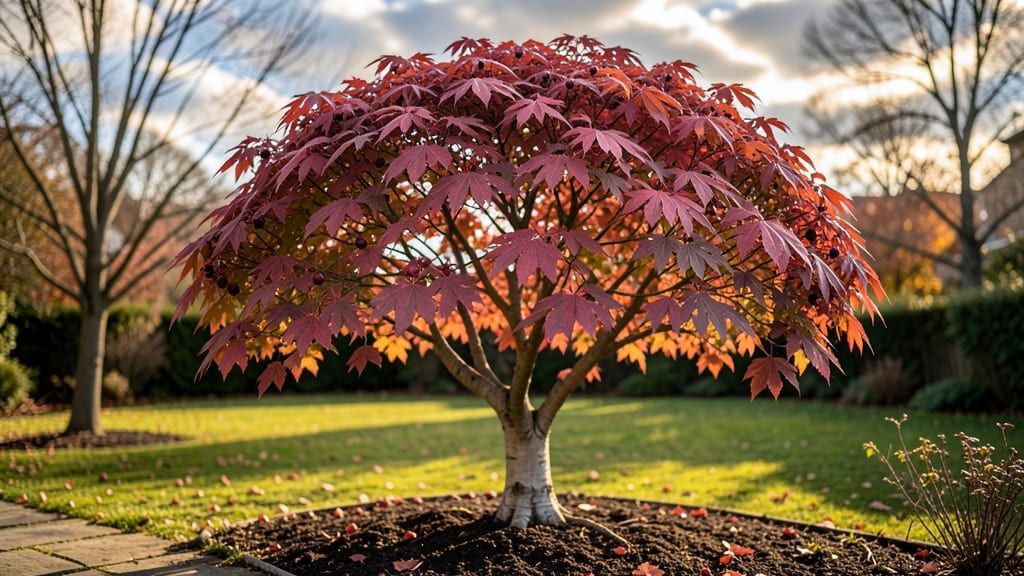
Your pink dogwood tree in fall transforms into a fiery spectacle—vibrant reds and oranges that outshine its spring blooms. 🌿 I’ve watched mine go from delicate pink flowers to a blazing autumn centerpiece, and the secret isn’t just luck.
It’s about strategic pruning and understanding when to shape it for winter resilience. The best time to prune is late winter or early spring, but if you’re prepping for fall, focus on removing dead branches now. Dogwoods hate wet wood, so clean cuts prevent disease.
The foliage itself is low-maintenance—just rake up fallen leaves to avoid fungal issues. Your tree will reward you with bold colors that last until the first frost. What you’ll end up with is a tree that stays healthy through winter and bursts back into bloom next spring.
The contrast between its fall hues and spring flowers makes it the showstopper of any landscape. Just avoid heavy pruning now—save that for dormant season. Works for both young trees and mature specimens. Here’s how to keep yours stunning year after year.
📚 In This Guide
- What you need
- Instructions
- Tips and common mistakes
- Wrapping up and next steps
What you need
- ● Pruning shears – Bypass-style, sharp, and sterilized (1 pair, 6-8" blades).
- ● Loppers – For thicker branches (1 pair, 8-12" cutting capacity).
- ● Pruning saw – For stubborn, large branches (1, with a fine-tooth blade).
- ● Disinfectant – 70% isopropyl alcohol or a pruning sealant (small bottle).
- ● Gloves – Heavy-duty, cut-resistant (1 pair, preferably with grip).
- ● Ladder – Sturdy, extendable (if tree exceeds 6 feet).
- ● Trash bags – Heavy-duty for debris (2-3, 30-gallon size).
- ○ Notebook & pen – To sketch pruning plans (optional but helpful!).
- ● Hand pruners with ratchet – For effortless cuts on tough branches.
- ● Pole pruner – Extends reach for high branches (1, 6-10 ft).
- ● Tree wound dressing – Controversial but useful for large cuts (small tube).
- ● Water spray bottle – To clean tools between cuts and keep branches moist.
- ● Safety glasses – Protects eyes from debris (1 pair).
How to care for a pink dogwood tree in fall
Fall is when your pink dogwood shines brightest—but it’s also when strategic pruning keeps it healthy for years.
🌿 Step 1: Assess the Tree’s Fall Condition
Start by examining your pink dogwood’s current state. Look for dead, diseased, or crossing branches—they’ll stand out as brown, brittle, or rubbing against others. Healthy branches have smooth bark and vibrant green leaves until late fall. I always check for signs of borers or fungal spots, which appear as dark streaks or oozing sap.
This is also the time to notice how the tree’s natural shape holds up. Dogwoods thrive with an open, airy canopy, so if branches grow too densely, they’ll compete for sunlight and weaken the structure. Use your hands to gently feel each branch—soft or spongy wood signals decay, while firm branches are ready for pruning.
✂️ Step 2: Prune for Shape and Health
Fall is the ideal time to prune dogwoods because the tree is dormant but still has energy stored in its roots. Use clean, sharp pruners to make cuts just outside the branch collar—the swollen area where the branch meets the trunk. Never leave stubs, as they invite disease. For larger branches over ½ inch thick, use loppers and seal the cuts with pruning sealant to prevent sap loss.
Focus on removing no more than 25% of the foliage in one session. Thin out crowded branches first, then shape the tree by shortening overgrown limbs to maintain its natural vase shape. Watch for water sprouts—those vertical shoots growing straight up—and cut them back to encourage fuller growth. After pruning, rake up and dispose of all debris to prevent fungal spread.
☀️ Step 3: Protect Against Winter Stress
Dogwoods are sensitive to late-season frost, so protect young or newly pruned trees with a 2-3 inch layer of mulch around the base. Use shredded bark or pine straw, keeping it 6 inches away from the trunk to avoid moisture buildup. This insulates roots while allowing airflow to prevent rot. If your tree is in a windy area, consider wrapping the trunk with burlap for extra protection.
Water deeply before the first hard frost—1-2 inches of water—to ensure roots stay hydrated through winter. Avoid overhead watering, as wet foliage can freeze and damage leaves. If your dogwood is in a container, move it to a sheltered spot or wrap the pot with bubble wrap to shield roots from temperature swings.
🌱 Step 4: Plan for Spring Renewal
While your tree rests, note any areas that need attention for spring. Mark branches that need thinning or deadwood removal with flags or paint. Dogwoods bloom on old wood, so avoid heavy pruning in spring—just remove any winter-damaged limbs. Fertilize lightly in early spring with a balanced 10-10-10 formula to support new growth.
This is also the time to scout for pests like scale insects or spider mites, which love dormant trees. Spray with neem oil if you spot sticky residue (honeydew) on leaves. A little prevention now means fewer headaches when buds swell in spring. Your fall prep will pay off with vibrant pink blooms next year!
Tips & tricks for perfect fall dogwood care
Fall is your chance to set your pink dogwood up for stunning spring blooms—here's how to avoid common mistakes and get it right the first time.
Branch Assessment: In Step 1, when checking branches, don't just look—touch! Healthy branches should feel firm like a baseball bat, while decayed ones feel soft or spongy like a damp sponge. This tactile check catches hidden problems before they spread. I've caught early borer damage this way that visual inspection missed.
Pruning Precision: Step 2's 25% foliage limit is non-negotiable—exceeding it stresses the tree. For branches over ½ inch thick, make your cuts at a 45-degree angle just outside the branch collar. I use a small paint marker to outline cuts first—it prevents accidental over-trimming when nerves kick in during the actual cut.
Mulching Magic: The 2-3 inch mulch layer in Step 3 should look like a donut around your tree—keep it 6 inches from the trunk to prevent rot. For extra winter protection, add a 3-inch layer of straw on top of your mulch. This creates an insulating blanket that keeps roots warmer than just bark alone.
Winter Watering: That 1-2 inches of water before frost isn't just a suggestion—it's critical. Use a rain gauge or tuna can to measure precisely. I water in the late afternoon so moisture has time to soak in before evening chill sets in. Overhead watering? Skip it—wet leaves freeze and can crack branches.
Pro Tips for Pink Dogwood Tree In Fall
- Fall is your chance to set your pink dogwood up for stunning spring blooms—here's how to avoid common mistakes and ge...
- Branch Assessment: In Step 1, when checking branches, don't just look—touch! Healthy branches should feel firm like a...
- Pruning Precision: Step 2's 25% foliage limit is non-negotiable—exceeding it stresses the tree. For branches over ½ i...
Frequently asked questions
Got questions about keeping your pink dogwood tree stunning in fall? You’re not alone! Here are answers to the most common queries, from timing tips to troubleshooting tricks.
When is the best time to prune a pink dogwood for fall color?
Prune your pink dogwood right after flowering (late spring to early summer) to encourage vibrant fall foliage. Avoid heavy cuts in late summer or fall—this can stress the tree and reduce next year’s blooms. Light shaping in early fall (September) is fine, but keep it minimal to preserve energy for winter.
Will pruning my dogwood in fall harm its winter hardiness?
If done correctly, no! But avoid heavy pruning after Labor Day—new growth won’t harden off before frost. Focus on removing dead or crossing branches in early fall (September) to prevent disease. For cold climates, a light trim in late fall (October) is safer than nothing at all.
How can I make my pink dogwood’s fall leaves even brighter?
Bright fall color comes from balanced care: water deeply in dry spells, fertilize lightly in early fall with a low-nitrogen formula, and ensure it gets 6+ hours of sunlight. Mulch around the base (but not touching the trunk) to retain moisture and nutrients.
What if my dogwood’s fall leaves turn brown or drop early?
Brown/dropping leaves often signal stress from over-pruning, drought, or disease. Check for powdery mildew (white coating) or borer holes (exit holes in bark). Adjust care: water consistently, prune only when necessary, and treat fungal issues with neem oil. If the problem persists, consult a local arborist.
Are there alternatives to pink dogwood for fall interest?
Yes! Try these fall-flowering, low-maintenance trees:
- Serviceberry – White spring blooms + vibrant fall berries and foliage.
- Smoke Tree (Cotinus) – Fiery pink/purple fall leaves and smoky plumes.
- Japanese Maple – Dwarf varieties with fiery red/orange fall hues.
- Redbud – Early spring pink flowers + golden fall leaves.
Wrapping up and next steps
The pink dogwood tree in fall is a stunning testament to nature’s artistry—especially when nurtured with the right pruning care. By mastering strategic cuts, you’ll preserve its beauty year-round, ensuring vibrant blooms and healthy growth.
Now that you’re equipped with the how-to and FAQs, grab those shears and give your tree the attention it deserves!
🌿 Next step: Schedule your first pruning session before winter sets in—your dogwood will thank you with a breathtaking spring rebirth!