
Planting
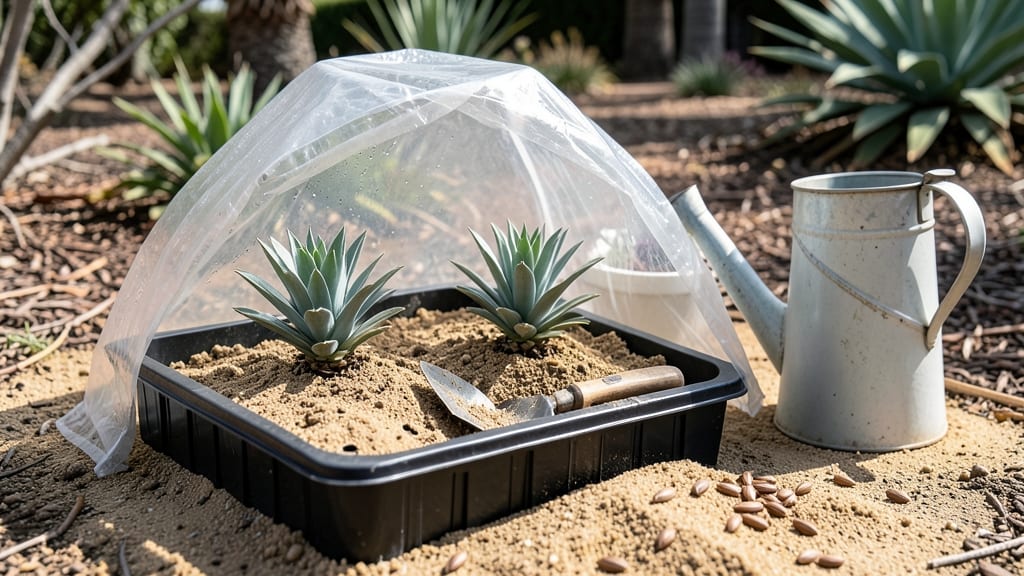
Planting Joshua tree seeds is your chance to grow a desert icon right in your yard—if you nail the patience and conditions. 🌵 These slow-growing wonders need exactly the right balance of heat, gritty soil, and minimal water to germinate, but once they start, they reward you with that unmistakable twisted silhouette for decades.
The trick starts with scorching-hot water to break dormancy (don’t skip this step—it’s non-negotiable for germination), then planting just ¼-inch deep in a mix of cactus soil and coarse sand. Too much water now means rot; too little means waiting forever.
I’ve tried both extremes, and the sweet spot is a dry, well-draining setup that mimics their Mojave home. By year two, you might see your first tiny shoots—needle-thin and stubborn—pushing through the soil.
These aren’t the fast-growing annuals you’re used to; think 10 years before your tree looks like the desert giants you admire. But that first green spike? Pure magic after months of waiting.
Works best in USDA zones 9-11, but if you’re in colder areas, start seeds indoors under grow lights and transplant only after the last frost. The real secret? Less is more—water only when the soil is bone-dry, and never fertilize. These trees thrive on neglect, not coddling.
📚 In This Guide
- What you need
- Instructions
- Tips and common mistakes
- Wrapping up and next steps
What you need
- ● Joshua Tree Seeds: Fresh or cold-stratified seeds (10–20 per pot for best germination rates). Pro tip: Buy from a reputable supplier or harvest them yourself from a mature Joshua Tree (ensure it’s legal in your area!). 🌱💡
- ● Seed Starting Mix: A well-draining cactus/succulent mix (avoid regular potting soil—it retains too much moisture!). Quantity: Enough to fill 4–6" pots or seed trays.
- ○ Containers: Small pots (3–4" diameter) or a seed tray with drainage holes. Optional: Use biodegradable peat pots for easy transplanting later. 🏺
- ● Grow Lights or Sunny Window: Joshua Tree seeds need bright light (12–16 hours/day). A full-spectrum LED grow light is ideal if natural light is limited.
- ● Spray Bottle with Water: For gentle hydration—never soak the seeds!
- ○ Heat Mat (Optional but Helpful): Maintains soil temps at 75–85°F (24–29°C), which speeds up germination. Alternative: Place pots on a sunny windowsill or in a warm spot.
- ● Humidity Dome or Plastic Wrap: Creates a mini greenhouse effect to retain moisture while seeds sprout. Remove once germination begins!
- ● Fertilizer (Post-Germination): A balanced, diluted fertilizer (5-5-5 or 10-10-10) once seedlings have 2–3 true leaves. Wait 4–6 weeks after planting!
- ● Patience: Germination can take 2–6 months—sometimes even longer! Consistency is key.
- ● Warmth: Seeds will not sprout in cold soil (<50°F/10°C). Use a heat mat or indoor warmth.
- ● Low Humidity Tolerance: Once sprouted, reduce humidity to prevent rot. Joshua Trees hate soggy roots! 💧🚫
- ● Legal Check: Verify Joshua Tree seed collection/planting laws in your area—some states/provinces restrict propagation.
How to plant Joshua tree seeds: desert wonder growth in 6 simple steps
Here's the straightforward method I've used to grow these iconic desert plants from seed.
🌱 Step 1: Collect and Prepare the Seeds
Joshua tree seeds are small and flat, about the size of a pencil eraser. Collect them fresh from mature fruit pods in late summer or purchase them from a reputable supplier. Store them in a cool, dry place until ready to plant—they won't germinate right away without proper treatment.
Before planting, soak the seeds in warm water for 24 hours. This softens the hard seed coat and kickstarts the germination process. I use a shallow dish with just enough water to cover the seeds. Don't let them dry out during this time—keep them submerged until you're ready to sow.
💧 Step 2: Create a Well-Draining Desert Soil Mix
Joshua trees thrive in poor, rocky soil that drains quickly. Mix 50% coarse sand with 50% cactus/succulent potting mix for the perfect blend. Avoid regular garden soil—it retains too much moisture and will rot the seeds.
Fill small pots (about 2-3 inches deep) with your mix, leaving about ½ inch of space at the top. Gently press the soil down so it's firm but not compacted. You want roots to have room to grow without sinking into loose soil.
☀️ Step 3: Sow Seeds and Provide Warmth
Plant the soaked seeds ¼ inch deep in the soil mix, spacing them about 1 inch apart. Cover them lightly with a thin layer of sand to help retain moisture while still allowing airflow. Water gently with a spray bottle until the soil is evenly moist.
Place the pots in a warm, sunny location where temperatures stay between 70-85°F. A seedling heat mat set to 80°F works wonders for speeding up germination. Joshua tree seeds need warmth to break dormancy—don't rush this step.
⏰ Step 4: Wait Patiently for Germination
Germination can take anywhere from 2 weeks to 6 months, depending on seed freshness and conditions. Be patient—these seeds aren't in a hurry. Keep the soil lightly moist but never soggy during this time.
Once you see the first tiny green shoots, move the pots to a bright, indirect light spot. Avoid direct sunlight at this stage—it can scorch the delicate seedlings. You'll know they're ready for more light when they develop their first true leaves.
🌿 Step 5: Transplant to Larger Containers
When seedlings reach about 2 inches tall (usually after 6-12 months
Gently remove the seedlings from their small pots, being careful not to damage the roots. Plant them at the same depth they were growing before, and water lightly to help them settle in. Place them in a spot with bright, indirect light for a few days to reduce transplant shock. After a week or two, slowly introduce the seedlings to direct sunlight. Start with just a few hours a day and gradually increase their exposure over 2-3 weeks. This helps them develop the thick, waxy skin they need to survive in harsh desert conditions. Once fully acclimated, your Joshua tree seedlings are ready to grow into their iconic, spiky forms. Keep the soil on the dry side—these plants are drought-tolerant once established. With patience and care, you'll have a desert wonder growing right in your own garden.☀️ Step 6: Gradually Acclimate to Full Sun
Tips & tricks for growing Joshua tree seeds from scratch
These little-known tricks will help you avoid common pitfalls and give your desert seedlings the best start possible.
Soaking Strategy: The 24-hour warm water soak is non-negotiable for breaking dormancy, but here's what I've learned: Use distilled or dechlorinated water if possible—tap water's chlorine can stress the seeds. I place a small plate over the dish to prevent evaporation while keeping seeds submerged. After soaking, pat them dry gently with a paper towel before planting to prevent mold.
Heat Mat Hack: While the instructions recommend 80°F, I've found that placing pots on a seedling heat mat set to 85°F for just the first 48 hours after sowing can cut germination time by nearly half. This mimics the desert's natural heat spikes. Just remember to reduce to 80°F once seeds are planted—they're sensitive to extreme heat after germination begins.
Light Transition: When moving seedlings to bright indirect light after germination, I've discovered the "shadow method": Place a sheer curtain over the window for the first week. This gradually filters sunlight while still providing the intensity they'll eventually need. The curtain prevents the sudden shock that often causes seedlings to wilt or develop weak stems.
Transplant Timing: The 2-inch height guideline is perfect, but I watch for another sign: when the first true leaves develop and the seedling's stem is noticeably thicker than when it first sprouted. This usually happens right around that 6-12 month mark, and it means the roots have developed enough to handle the transplant shock. I also make sure to transplant on an overcast day to reduce stress.
Pro Tips for Plant Joshua Tree Seeds
- These little-known tricks will help you avoid common pitfalls and give your desert seedlings the best start possible.
- Soaking Strategy: The 24-hour warm water soak is non-negotiable for breaking dormancy, but here's what I've learned: ...
- Heat Mat Hack: While the instructions recommend 80°F, I've found that placing pots on a seedling heat mat set to 85°F...
Frequently asked questions
Got questions about growing Joshua trees from seeds? You’re not alone—these desert giants can be tricky! Here are answers to the most common concerns to help you succeed.
How long does it take for Joshua tree seeds to germinate?
Patience is key! Joshua tree seeds can take anywhere from 2 weeks to 3 months to sprout, depending on conditions like moisture, temperature, and seed age. Keep the soil consistently moist (but not soggy) and maintain warmth (70–80°F) for best results. Pro tip: Some seeds may even stay dormant for years—don’t give up too soon!
Can I plant Joshua tree seeds directly in the ground?
While it’s possible, starting seeds indoors or in a controlled nursery pot gives them a better chance of survival. Joshua trees are sensitive to frost and need stable conditions to establish roots. If planting outdoors, wait until spring or early summer after the last frost and choose a well-draining, sunny spot. Warning: Seedlings are vulnerable to pests and extreme heat.
Why aren’t my Joshua tree seeds sprouting?
Several factors could be holding them back:
- Poor stratification: Joshua tree seeds often need a cold period (stratification) to break dormancy. Try chilling them in the fridge for 4–6 weeks before planting.
- Wrong soil: They thrive in sandy, well-draining soil mimicking their desert habitat. Avoid heavy clay.
- Lack of light: These seeds need bright, indirect light (or a grow light) to germinate.
- Overwatering: Too much moisture can cause rot. Water lightly and only when the top inch of soil is dry.
If nothing happens after 3 months, the seeds may be non-viable or too old.
What’s the best alternative if I can’t find Joshua tree seeds?
If Joshua tree seeds are hard to come by, consider these desert-adapted alternatives with similar care needs:
- Palo Verde tree seeds
- Desert Willow seeds
- Cholla cactus seeds (for a spiky, low-maintenance option)
- Agave or Yucca seeds (easy to grow and drought-tolerant)
All of these thrive in hot, dry climates and require minimal fuss once established.
How do I care for a young Joshua tree seedling?
Once your seeds sprout, treat them like a delicate desert baby:
- Water lightly: Keep soil moist but avoid soggy conditions. Overwatering is the #1 killer of young seedlings.
- Gradual sunlight: Start with partial shade and slowly introduce full sun over 2–3 weeks to prevent shock.
- Fertilize sparingly: Use a low-nitrogen, desert-specific fertilizer (like cactus mix) every 2–3 months in spring.
- Protect from pests: Watch for aphids or snails. A light spray of neem oil can help.
- Transplant carefully: Wait until the seedling is at least 6 inches tall and has multiple leaves before moving it outdoors.
Remember: Joshua trees grow slowly—don’t rush the process!
Wrapping up and next steps
Growing a Joshua Tree from seed is a rewarding journey—one that connects you to the desert’s resilience and beauty. 🌵 With patience, the right conditions, and these six simple steps, you’ll nurture a living piece of the Southwest’s iconic landscape.
Whether you’re a seasoned gardener or a curious beginner, every small effort brings you closer to success—so grab those seeds and get planting!
Ready to watch your tiny seedling thrive? Start by monitoring its progress monthly, adjusting care as needed, and soon, you’ll have a Joshua Tree that’s uniquely yours. Happy growing!