
Pruning
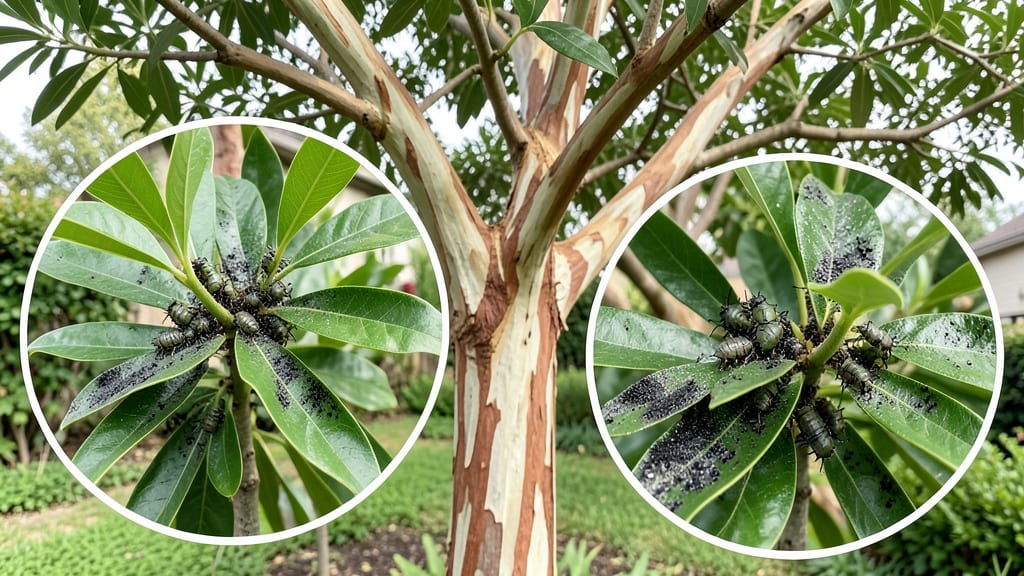
Those sticky white bumps on your crepe myrtle aren’t lice—they’re scale insects, and they’re sucking the life out of your tree. 🌿 I’ve battled these stubborn pests and found the organic spray solution that finally clears them up in 2-3 applications, without harsh chemicals that harm pollinators.
The key is timing, the right mix, and patience to see those leaves turn vibrant green again.
Most people reach for insecticides first, but that’s a mistake—scale insects develop resistance fast, and you’ll end up with a worse problem. Instead, we’re targeting their soft underbellies with soapy water sprays and neem oil, which smothers them without harming your tree’s health.
You’ll need to hit them when they’re young (spring or early summer) for the best results, and I’ll show you exactly how to do it without gloves or fancy gear.
The payoff? A crepe myrtle that bursts with lush foliage and showy blooms by midsummer, free of that gross sticky residue. You’ll also save money on replacements—once you break the scale cycle, your tree stays strong for years.
The secret’s in the weekly treatments for a month, then monitoring to catch any stragglers early.
This works for all crepe myrtle varieties, from dwarf to giant, and even tackles other sap-sucking pests like mealybugs. No more losing your favorite shade tree to these silent sap thieves—let’s get your tree back to its glory days.
Root Causes Of Tree Infestations
When tiny, sap-sucking pests like crepe myrtle aphids (often mistaken for "lice") or scale insects invade your tree, it’s rarely just bad luck. These critters thrive because specific conditions—often tied to your tree’s health or environment—create the perfect buffet.
Understanding these triggers helps you disrupt their lifecycle before they take over. Here’s why your crepe myrtle might be their new favorite snack spot:
Healthy trees naturally produce sticky honeydew and pitch to deter pests, but stress weakens these defenses. When your crepe myrtle is under duress, it becomes an easy target. Common stressors include:
- Poor soil nutrition: A lack of nitrogen, phosphorus, or micronutrients (like zinc or iron) stunts growth, making leaves softer and more appealing to sap-suckers. Test your soil—pH imbalances (too acidic or alkaline) also invite pests.
- Over/under-watering: Drought-stressed trees produce sugary sap that attracts aphids, while soggy roots create ideal breeding grounds for scale insects. Crepe myrtles prefer consistent moisture—not bone-dry or waterlogged soil.
- Physical damage: Pruning wounds, storm breaks, or even lawnmower hits expose fresh sap, which pests detect from yards away. Always prune in late winter to minimize harm.
💡 Pro Tip: A balanced fertilizer (like 10-10-10) in early spring boosts resilience. For organic options, try compost tea or fish emulsion to strengthen roots.
Pests don’t just appear—they hitchhike. If your yard is a pest paradise, your crepe myrtle will suffer. Here’s how nearby chaos fuels infestations:
| Problem | How It Attracts Pests |
|---|---|
| Adjacent infested plants (e.g., roses, hibiscus, or nearby trees) | Pests like aphids and mealybugs spread via wind or beneficial insects (like ladybugs or lacewings) that accidentally transport eggs. |
| Debris piles or mulch volcanoes | Moist, dark hiding spots let scale insects and whiteflies overwinter undetected, then migrate to your tree in spring. |
| Weedy or unpruned areas | Weeds (like dandelions or clover) host alternate pest species that jump to your crepe myrtle when their original food source dies back. |
✨ Action Step: Clear 3–5 feet around your tree’s drip line of weeds and old mulch. Replace mulch with wood chips (not cedar—it repels some beneficial insects).
Pests have peak seasons, and crepe myrtles are especially vulnerable during two critical windows:
- Early spring (March–April):
- 🌿 New leaf flush = tender, nutrient-rich meals for aphids and mites.
- 🌡️ Warm, damp air (50–70°F) speeds up their reproduction cycle.
- Late summer (August–September):
- 🍂 Heat stress causes trees to produce extra sap, a magnet for scale and whiteflies.
- 🌧️ Monsoon-like rains wash away natural predators (like birds or parasitic wasps), leaving pests unchecked.
🔥 Prevention Hack: Install reflective mulch (like aluminum foil under black plastic) to confuse pests during peak seasons. It disrupts their ability to locate your tree!
Not all bugs are bad—some are your tree’s natural pest control. But if you’ve overused broad-spectrum pesticides (like neonicotinoids), you’ve likely wiped out the good guys too:
- Ladybugs & lacewings: Devour 50+ aphids each per day but die off if sprayed with synthetic chemicals.
- Parasitic wasps: Lay eggs inside scale insects, killing them from within—but they avoid treated areas.
- Predatory mites: Feed on spider mites and whiteflies, but malathion kills them instantly.
🎯 Organic Fix: If you’ve used chemicals before, wait 3–6 months before introducing beneficial insects. Plant dill, fennel, or yarrow nearby to attract them naturally.
Quick Fixes for Crepe Myrtle Pests
If your crepe myrtle tree is under siege by tiny invaders, don’t panic—there are effective, organic solutions to reclaim your tree’s health. The key is acting fast and targeting the root cause, whether it’s aphids, scale, or other sap-sucking pests.
Below, we break down practical fixes based on the problem, plus prevention tips to keep your tree thriving long-term.
---
Before treating, confirm what’s attacking your tree. Common culprits include: - Aphids (tiny, clustered green/black bugs) - Scale insects (brown, shell-like bumps on branches) - Mealybugs (white, cottony clusters) - Spider mites (tiny red dots, webbing on leaves)
💡 Pro Tip: Use a hand lens or magnifying glass for a closer look. If you’re unsure, snap a photo and compare it to online guides.
---
For light to moderate infestations, these DIY sprays work fast and safely:
#### 🔥 Soap Spray (Best for Aphids & Soft-Bodied Pests) What You’ll Need: - 1 tablespoon mild liquid castile soap (or insecticidal soap) - 1 quart water - Spray bottle
How to Apply: 1. Mix soap and water in the bottle. 2. Shake well before each use. 3. Spray thoroughly on both sides of leaves and stems, focusing on pest hotspots. 4. Reapply every 5–7 days until pests disappear.
✨ Why It Works: Soap disrupts the pests’ protective coating, dehydrating them.
#### 👨🍳 Neem Oil Solution (Kills Eggs & Adults) What You’ll Need: - 1 tablespoon neem oil - 1 teaspoon horticultural oil (optional, for better adhesion) - 1 teaspoon dish soap (as an emulsifier) - 1 quart warm water
How to Apply: 1. Mix ingredients in a spray bottle. 2. Shake well (neem oil separates). 3. Spray evenly on leaves, stems, and bark. 4. Apply every 7–10 days for 2–3 weeks.
💡 Pro Tip: Spray early in the morning or late afternoon to avoid burning leaves in direct sunlight.
#### 🥘 Diatomaceous Earth (DE) for Crawling Pests What You’ll Need: - Food-grade diatomaceous earth (DE) - Fine mist spray bottle (optional)
How to Apply: 1. Lightly dust DE on infested branches, focusing on crevices and undersides of leaves. 2. Avoid over-applying—a thin layer works best. 3. Reapply after rain or watering (DE loses effectiveness when wet).
⚠️ Caution: Wear a mask when applying to avoid inhaling dust.
---
If sprays alone aren’t enough, physically remove pests for faster results:
#### 🧼 Prune & Wipe Infested Areas 1. Trim heavily infested branches with clean pruners. 2. Wipe leaves with a soapy cloth (mix water + mild soap). 3. Dispose of clippings in a sealed bag (don’t compost—pests may survive).
#### 🐞 Introduce Beneficial Insects - Ladybugs (eat aphids) - Lacewings (devour soft-bodied pests) - Parasitic wasps (target scale and mealybugs)
💡 Where to Buy: Check garden centers or order online from pest-control suppliers.
---
Stop pests before they start with these easy habits:
| Prevention Step | How to Do It | |------------------------------|------------------| | Regular Pruning | Remove dead/dying branches to reduce hiding spots. | | Water Deeply & Less Often | Overwatering attracts pests—water at the base, not leaves. | | Mulch Properly | Use 2–3 inches of organic mulch (wood chips, bark) to deter pests. | | Encourage Natural Predators | Plant companion plants like marigolds or basil to attract beneficial bugs. | | Inspect Monthly | Check for early signs (sticky residue = honeydew, a pest byproduct). |
🌡️ Bonus: Healthy trees resist pests better! Fertilize in early spring with a balanced, slow-release fertilizer to boost vigor.
--- By combining targeted sprays, mechanical removal, and prevention, your crepe myrtle will bounce back stronger than ever—without harsh chemicals. 🌿✨
Frequently asked questions
Are the "lice" on my crepe myrtle actually lice?
No, they’re not true lice! The term "crepe myrtle lice" usually refers to scale insects or aphids, which are sap-sucking pests. True lice are mammals, but these insects look like tiny, immobile bumps (scale) or clustered green/black bugs (aphids) on leaves and branches.
How do I know if my tree has a serious infestation?
Look for these red flags: sticky honeydew on leaves, yellowing leaves, black sooty mold (a fungus growing on honeydew), or visible pests covering more than 10% of branches. If you see wilted new growth or leaf drop, the infestation is likely severe and needs immediate treatment.
Will neem oil harm my crepe myrtle tree?
Not if used correctly! Neem oil is safe for trees when mixed properly (1 tablespoon per quart of water with a drop of soap). Apply it early in the morning or late afternoon to avoid leaf burn from sunlight. Always test a small area first, and avoid spraying during hot, dry weather.
How long does it take to see results from organic treatments?
You’ll typically see improvement within 1-2 weeks of consistent treatment, but complete eradication can take 4-6 weeks. Scale insects have a protective shell, so you may need 2-3 applications spaced 7-10 days apart to break their lifecycle. Patience is key—don’t give up after one try!
Can I use store-bought insecticidal soap on my crepe myrtle?
Yes, but choose a mild, plant-safe formula (like Safer® or Dr. Bronner’s). Avoid dish soap—it can damage leaves. Spray thoroughly on both sides of leaves and reapply every 5-7 days until pests disappear. For best results, combine it with neem oil for a 1-2-3 punch against infestations.