
Leaf Blower
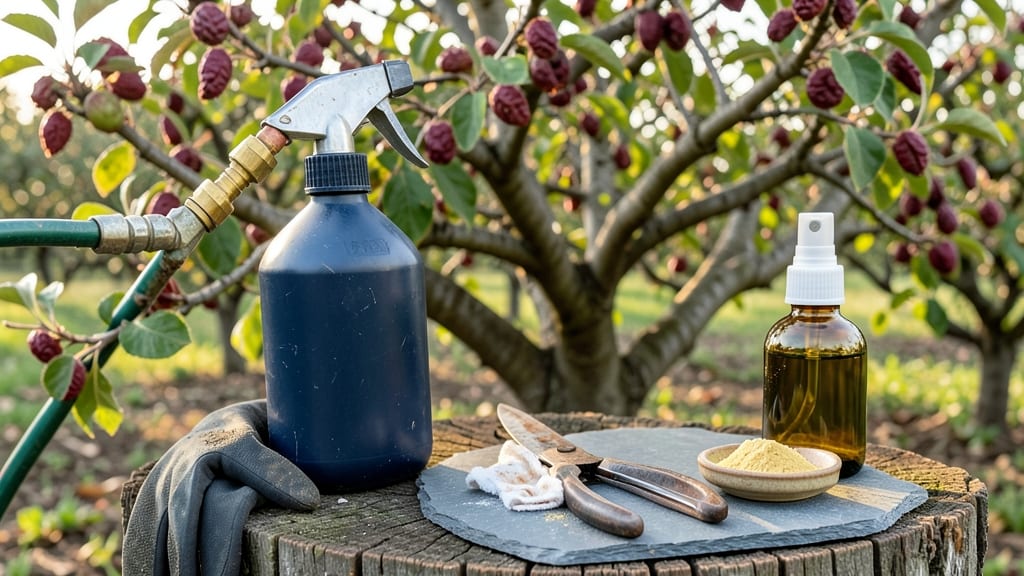
Your apple tree’s puckered, curled leaves aren’t just ugly—they’re a red flag for apple tree leaf curl treatment, a fungal disease that weakens trees over time. 🌳 I’ve battled this stubborn problem for years, and I’ll show you how to stop it before next spring’s buds even think about opening.
The key is acting early with the right organic sprays and cultural fixes that actually work.
Leaf curl thrives in wet springs, so prevention starts in late winter when spores are most active. You’ll need copper spray, neem oil, or a baking soda mix—all non-toxic but deadly to the fungus when applied at the right time.
I’ve seen trees go from looking like they’d been frostbitten to putting out fresh, vibrant foliage just by sticking to a simple spray schedule.
The payoff? Trees that fruit heavier, grow stronger, and stay disease-free year after year. You’ll spot the difference within weeks: new leaves unfurling smooth and green, branches filling out, and that satisfying crunch of fresh apples come harvest. No more watching your tree struggle through another season of curled disappointment.
This works whether you’ve got one backyard tree or a whole orchard—just adjust the spray volume. We’ll cover exactly when to spray, how often, and what to do if you’re already seeing symptoms. Let’s get that tree back to its best.
Root Causes Behind Leaf Curl
Leaf curl in apple trees isn’t just an aesthetic nuisance—it’s a cry for help from your tree, signaling underlying stress or infection. Understanding the why behind this condition is the first step to restoring your tree’s health.
Below, we break down the most common culprits, backed by science and actionable insights.
🍄 Apple Scab & Venturia Infections The most frequent cause of leaf curl is fungal pathogens, particularly Venturia inaequalis (apple scab). This fungus thrives in cool, wet springs (ideal conditions for spores to germinate) and infects young leaves, causing them to thicken, pucker, and curl.
Over time, the fungus spreads to fruit, leading to misshapen, discolored apples that may drop prematurely.
How it works:
- Spores overwinter on fallen leaves or infected buds.
- Rain splashes spores onto new leaf tissue during bud break.
- Moisture (high humidity or dew) triggers fungal growth, leading to cellular distortion as the fungus feeds on plant tissues.
💡 Pro Tip: If you notice olive-green to black spots on the underside of curled leaves, fungal infection is likely the culprit. Act fast—fungi spread aggressively in damp conditions.
🌡️ Extreme Temperature Fluctuations Apple trees are sensitive to rapid temperature swings, especially during late winter or early spring. A hard freeze followed by a sudden warm spell can shock the tree’s metabolic processes, causing buds to swell abnormally and leaves to curl as they emerge.
This stress disrupts cell division, leading to deformed growth.
Key triggers:
- Late frost damage (killing tender new growth).
- Heat stress (when temperatures spike above 90°F/32°C during bud development).
- Drought or wind exposure (desiccating young leaves).
🌡️ Watch For: Leaves that appear brittle, yellow-edged, or rolled inward—classic signs of environmental stress.
🐜 Mites & Sap-Sucking Insects Tiny pests like **apple leaf curl mites (Aculus schlechtendali) or aphids can trigger leaf curl by feeding on sap and injecting toxins.
Mites, in particular, burrow into leaf tissue, causing cells to swell and distort. Their damage is often localized, with silver or bronze flecks visible on curled leaves.
How pests cause curl:
- Saliva injection disrupts plant hormones, leading to abnormal growth.
- Nutrient theft weakens the leaf’s structure, making it prone to curling.
- Secondary infections** (fungi or bacteria) exploit weakened tissue.
🔍 Spot the Signs: Look for fine webbing (mites) or sticky residue (aphids) on leaf undersides.
🍎 Zinc or Boron Shortages Leaf curl can also stem from micronutrient deficiencies, particularly zinc or boron. These minerals are critical for cell wall formation and enzyme activity.
When deficient: - Zinc deficiency causes little leaf syndrome and interveinal chlorosis (yellowing between leaf veins), often paired with curling. - Boron deficiency leads to thickened, brittle leaves that curl at the edges.
Why it happens:
- Poor soil (sandy or high-pH soils leach zinc/boron).
- Over-fertilization with nitrogen (outcompetes micronutrient uptake).
- Root damage (restricts nutrient absorption).
📊 Test Your Soil: A simple soil test kit can confirm deficiencies—aim for 0.5–2.0 ppm zinc and 0.5–1.0 ppm boron for apple trees.
🦠 Apple Mosaic Virus or Fire Blight While less common, viral infections (like apple mosaic virus) or bacterial diseases (e.g., Erwinia amylovora, which causes fire blight) can induce leaf curl. These pathogens disrupt the plant’s vascular system, leading to stunted growth, curling, and necrosis.
Red flags:
- Yellow mosaic patterns on leaves (viral).
- Blackened, oozing cankers on branches (bacterial fire blight).
🚨 Act Fast: Viral/bacterial infections often spread systemically—prune infected branches 12 inches below the damage and sterilize tools with 70% alcohol.
🌪️ Hail, Wind, or Mechanical Damage Physical trauma from storms, hail, or improper pruning can cause leaves to curl as they repair damaged cells. Unlike fungal issues, the curl here is often localized to the injury site, with irregular tears or scorch marks.
Common culprits:
- Late-season pruning (stresses the tree before dormancy).
- Heavy fruit loads (competes for nutrients, weakening leaves).
- Lawnmower or string trimmer damage (to young shoots).
🔪 Prevent It: Use sharp, clean pruners and avoid trimming in fall or winter (when trees are vulnerable).
Fixing Leaf Curl Naturally
Leaf curl on apple trees can feel like a losing battle, but with the right approach, you can restore your tree to full, vibrant health—without harsh chemicals. Below, we break down targeted solutions for each common cause, paired with preventive tips to keep your tree thriving.
Think of this as your step-by-step repair manual for a resilient orchard.
If leaf curl is caused by Venturia inaequalis (apple scab), act fast with fungicide-free organic methods:
🔪 Step 1: Remove Infected Leaves & Branches
- When: Early spring (before buds swell) or fall (after leaf drop).
- How:
- Use sterilized pruners (wipe with rubbing alcohol) to cut out curl-affected leaves and small branches (up to pencil-thick).
- Bag and dispose of debris in the trash (not compost)—fungus spores can survive in soil.
- Pro Tip: 💡 Prune on a dry day to avoid spreading spores with wet tools.
🍄 Step 2: Apply Organic Fungicides
- Best Sprays (Rotate for Effectiveness):
- Baking Soda Spray: Mix 1 tbsp baking soda + 1 tbsp horticultural oil + 1 tsp soap in 1 gallon of water.
Spray every 7–10 days during wet seasons. - Neem Oil: 2 tbsp neem oil + 1 tsp soap in 1 gallon of water. Reapply after rain. - Copper Fungicide: Use fixed copper (CuSO₄) sprays (like Bonide Copper Fungicide) before bud break and after harvest. - Timing: Apply at petal fall (when flowers drop) and again in late summer for fall prevention.
🌡️ Step 3: Improve Airflow & Soil
- Thin the Canopy: Remove overlapping branches to reduce humidity (fungi love dampness).
- Mulch Properly: Use straw or wood chips (not thick layers) to keep roots cool but allow airflow.
- Soil pH Check: Test soil—apple trees thrive in pH 6.0–6.5.
Amend with lime (to raise pH) or sulfur (to lower it) if needed.
If leaf curl stems from drought, heat, or frost, focus on water management and shelter:
💧 Step 1: Deep Watering Routine
- How Much? 1–1.5 inches of water per week (deep soak, not surface sprinkling).
- When? Early morning to reduce evaporation and fungal risk.
- Pro Tip: 🌡️ Use drip irrigation or soaker hoses to target roots directly.
❄️ Step 2: Shield from Extreme Weather
- Frost Protection:
- Cover young trees with frost cloth on cold nights.
- Plant windbreaks (like evergreens) to block harsh winds.
- Heat Stress:
- Mulch heavily (3–4 inches) to retain moisture.
- Avoid overhead watering in peak sun to prevent leaf burn.
🍃 Step 3: Nutrient Boost
- Fertilize Smartly:
- Spring: Use balanced organic fertilizer (10-10-10) or compost tea.
- Fall: Add potassium-rich fertilizer (like greensand) to strengthen cell walls.
- Avoid Over-Fertilizing: Too much nitrogen = soft, susceptible leaves.
If mites or aphids are the culprits, disrupt their life cycle:
🕷️ Step 1: Introduce Beneficial Insects
- Ladybugs, lacewings, or predatory mites (available at garden centers) devour pests naturally.
- How to Attract Them: Plant dill, yarrow, or marigolds nearby as a buffet.
🧼 Step 2: Spray Homemade Pesticides
- Soap Spray: 1 tbsp castile soap + 1 quart water (spray directly on pests).
- Garlic Spray: Blend 3 garlic cloves + 1 tsp cayenne + 1 quart water, strain, and spray (reapply every 5 days).
- Pro Tip: ✨ Spray early morning or late evening to avoid harming bees.
🌿 Step 3: Physical Barriers
- Sticky Traps: Place yellow sticky cards near the tree to catch flying pests.
- Row Covers: Use fine mesh netting over young trees to block mites.
Once your tree recovers, keep it strong with these low-effort habits:
- 🌱 Plant Resistant Varieties: Choose disease-resistant apple cultivars like ‘Liberty’ or ‘Enterprise’.
- 🍎 Sanitize Tools: Clean pruners with 70% isopropyl alcohol between trees.
- 🗓️ Follow a Spray Schedule:
- Dormant Season (Winter): Copper spray.
- Bud Break (Spring): Neem oil or sulfur.
- Post-Harvest (Fall): Baking soda spray.
- 🌿 Mulch & Weed: Keep grass and weeds 2 feet away from the trunk to reduce fungal spores.
- 📅 Monitor Monthly: Check leaves every 4 weeks for early signs of curl or pests.
| Cause | Immediate Fix | Prevention |
|---|---|---|
| Fungal Infection | Prune + copper/baking soda spray | Rotate sprays, improve airflow |
| Drought/Heat | Deep watering + mulch | Drip irrigation, windbreaks |
| Frost Damage | Frost cloth + potassium fertilizer | Plant in sheltered spots |
| Pests | Soap spray + beneficial insects | Sticky traps, resistant varieties |
Remember: Consistency is key! Leaf curl won’t disappear overnight, but with regular care, your apple tree can bounce back—and even outgrow the problem entirely. 🌳🍏
Frequently asked questions
Can I use store-bought fungicides instead of organic sprays?
Yes, but with caution. Synthetic fungicides like mancozeb or myclobutanil are effective against apple scab, but they require careful handling and may harm beneficial insects. Always follow label instructions and reapply after rain. For organic gardens, stick to copper-based sprays or neem oil to avoid chemical residues in fruit.
How do I know if my tree has leaf curl from fungus or pests?
Check the leaf undersides: fungal leaf curl often shows olive-green to black spots (apple scab), while pests like mites leave fine webbing or silver flecks. Also, fungal damage spreads gradually across branches, while pest damage is usually localized to specific leaves. Use a magnifying glass for close inspection.
Is it too late to treat leaf curl if my tree already has curled leaves?
Not necessarily! While prevention is best, you can still help your tree recover. Remove all infected leaves immediately, apply a copper fungicide or neem oil spray, and focus on improving airflow around the tree. The key is consistency—keep treating until new leaves emerge healthy. For severe cases, consider a second spray in 7-10 days.
Will pruning help if my tree already has leaf curl?
Prune to remove 100% of infected leaves and small branches (up to pencil thickness) to stop the fungus from spreading. Use sterilized tools and dispose of pruned material in the trash—not compost. Thin the canopy to improve airflow, which reduces humidity and fungal growth. Prune on a dry day to avoid spreading spores with wet tools.
How often should I spray my apple tree for leaf curl prevention?
For organic prevention, spray every 7-10 days during wet seasons (spring and fall) using a baking soda mix or neem oil. Apply copper fungicide before bud break and after harvest. If using synthetic fungicides, follow the product's recommended schedule. Always spray in the early morning or evening to avoid harming bees and allow the solution to dry on leaves.