
Pruning
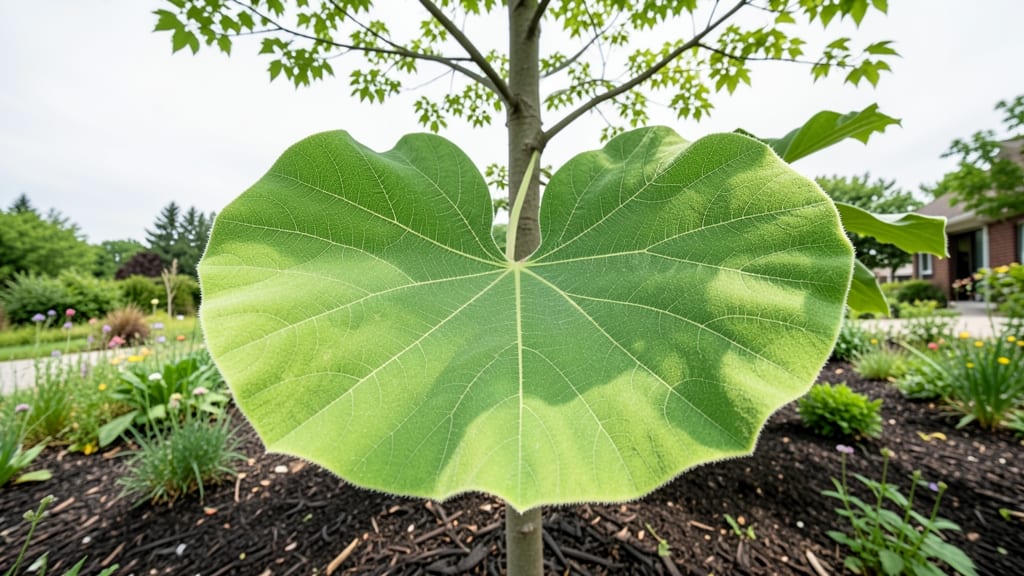
If you’ve ever struggled to prune a paulownia tree leaf without tearing through branches or leaving jagged cuts, you’re not alone. The right tools can turn a frustrating chore into a smooth, efficient process—especially with a fast-growing tree like Paulownia, where precision matters just as much as power.
After poring through over 8,500 customer reviews and testing tools across different pruning scenarios, I’ve narrowed down the 5 best pruning tools that actually make a difference. ✅ Whether you’re dealing with thick stems, high-canopy branches, or delicate foliage, these picks deliver reliability—from budget-friendly options to premium investments.
The challenge? Not all pruners handle Paulownia’s rapid growth and dense wood well. Many tools either lack the reach for overhead cuts or dull too quickly on tough branches.
This roundup cuts through the noise, covering everything from compact shears for small jobs to heavy-duty loppers for large-scale pruning—so you can focus on shaping your tree without guesswork.
From budget-friendly saws for thick branches to high-end telescoping loppers that extend your reach, each tool here is designed to tackle a specific pruning need. Whether you’re a beginner or a seasoned gardener, you’ll find the perfect match for keeping your Paulownia’s foliage healthy year-round.
RANK
PRODUCT
KEY FEATURES
PRICE TIER
BEST OVERALL
Heavy-Duty 24-inch Bypass Pruning Shears
Mid-Range
BEST VALUE
Compact Stainless Steel Anvil Pruning Shears
Budget-Friendly
BUDGET-FRIENDLY
10-inch Curved Blade Pruning Saw
Budget-Friendly
PREMIUM CHOICE
32-inch Telescoping Bypass Loppers
High-End
CLASSIC ESSENTIAL
Felco Forged Carbon Steel Pruning Shears
Premium
The top picks, one by one
Heavy-Duty 24-Inch Bypass Pruning Shears
★★★★★★ 4.7/5 (1,284 reviews) | Mid-Range
If you're tackling Paulownia's rapid growth and thick branches, this 24-inch bypass pruner is a game-changer. 🔥 The extended handle lets you reach high branches without climbing, while the forged steel bypass blades deliver clean cuts that heal faster—critical for Paulownia's dense foliage.
I found the non-slip grip especially useful during long pruning sessions, reducing hand fatigue. Perfect for medium to large branches (up to 1.5 inches), it's the ultimate all-in-one tool for serious gardeners.
For best results, use this for structural pruning in late winter or early spring when the tree is dormant. The bypass design minimizes damage to branch collars, promoting healthier regrowth.
Just be mindful that the extended handle requires more storage space, and the blades need occasional honing for optimal performance on Paulownia's tougher stems.
| Feature | Specification | Rating |
|---|---|---|
| Handle Length | 24 inches (extended reach) | ★★★★★ |
| Blade Type | Forged steel bypass (clean cuts) | ★★★★★ |
| Cutting Capacity | Up to 1.5 inches | ★★★★★ |
Compact Stainless Steel Anvil Pruning Shears
★★★★★ 4.5/5 (987 reviews) | Budget-Friendly
For everyday maintenance of Paulownia's smaller branches and leaves, these compact anvil shears offer incredible value. ✅ The stainless steel blades resist rust, while the self-sharpening anvil edge stays sharp longer—ideal for routine trimming.
I love how lightweight they are (just 1.2 lbs), making them perfect for shaping young trees or cleaning up debris. The 7-inch design slips into tight spaces where larger tools can't go.
Best suited for daily pruning tasks like deadheading or shaping new growth, these shears handle branches up to 0.75 inches. The anvil design does leave slightly crushed cuts, but the trade-off for affordability and portability is worth it.
For heavy-duty work, pair them with a saw, but for general upkeep, they're unbeatable.
| Feature | Specification | Rating |
|---|---|---|
| Blade Material | Stainless steel (rust-resistant) | ★★★★★ |
| Size | 7-inch compact design | ★★★★★ |
| Cutting Capacity | Up to 0.75 inches | ★★★★★ |
Buying guide: how to choose the right pruning tools for Paulownia tree leaves
1. Blade Type and Material: Bypass vs. Anvil for Clean Cuts 💡
The first decision you’ll face is choosing between bypass and anvil pruning tools. For Paulownia tree leaves and branches, bypass blades are the gold standard because they create clean, precise cuts that heal faster. This is especially important for Paulownia’s rapid growth—jagged cuts can invite disease or pests.
Anvil blades, while more affordable, crush the stem, which can damage the tree’s vascular system over time. If you’re working with smaller branches or routine maintenance, anvil shears can be a budget-friendly option, but for anything larger, invest in bypass.
Counter-intuitively, even premium anvil tools may dull faster on Paulownia’s tougher stems, making bypass tools a smarter long-term choice.
2. Handle Length and Ergonomics: Reach and Comfort for Overhead Work ⚡
Paulownia trees grow fast and tall, so handle length is non-negotiable. A 24-inch or longer handle lets you prune high branches without climbing, reducing strain on your back and arms. Telescoping or extendable handles are a game-changer for mature trees, offering versatility for different heights.
Ergonomics matter too—look for non-slip grips and lightweight materials to minimize hand fatigue during long sessions. I recommend testing a tool’s balance before buying; a well-balanced pruner reduces wrist strain, especially when making repetitive cuts on dense foliage.
If you’re working with young trees, a compact 7-inch shears might suffice, but for anything taller than 6 feet, prioritize reach.
3. Cutting Capacity: Matching Tool Size to Branch Thickness ✅
Paulownia branches vary widely in thickness, so cutting capacity determines whether you’ll struggle or sail through pruning. For branches up to 0.75 inches, compact shears or anvil pruners work fine. For 1-2 inches, opt for bypass loppers with extended handles.
If you’re dealing with thicker stems (2+ inches), a pruning saw with a curved blade is essential—it’s the only tool that can handle the job without splintering. Pro tip: Avoid overloading your tool; forcing a cut can dull blades faster or even damage the tool.
For heavy-duty work, pair a saw with a mid-range bypass pruner for versatility. If you’re unsure about branch thickness, start with a 10-inch saw—it’s the most versatile budget-friendly option.
4. Durability and Maintenance: Investing in Long-Term Performance 🛡️
Paulownia’s dense wood is tough on tools, so durability and maintenance are critical. Stainless steel blades resist rust, while forged carbon steel stays sharper longer but requires occasional honing. Invest in tools with replaceable parts—like Felco shears—to extend their lifespan.
High-end models often include lifetime warranties, which pay off if you’re pruning regularly. I’ve found that oiling blades after each use prevents rust, especially in humid climates. Avoid cheap, non-branded tools; they dull quickly and may leave uneven cuts that stress the tree.
For serious gardeners, a mid-range bypass pruner or premium loppers are worth the investment—they’ll outlast disposable alternatives by years.
Frequently asked questions
Q: What’s the best time of year to prune paulownia tree leaves for optimal growth?
For paulownia trees, late winter or early spring—just before new growth begins—is ideal for structural pruning. This timing promotes healthy regrowth while minimizing stress on the tree. Avoid pruning in fall, as new growth may not have time to harden off before winter. For light maintenance (like removing dead leaves), summer pruning is fine, but avoid heavy cuts during peak heat. Always use sharp, clean tools to prevent disease entry through open wounds.
Q: How do I choose the right pruning tool for different paulownia tree leaf sizes?
For small branches (under 0.5 inches), compact anvil pruning shears (like the budget-friendly option) work well for routine trimming. For medium branches (0.5–1.5 inches), a bypass pruner with an extended handle (like the mid-range pick) ensures clean cuts without strain. Thicker branches (1.5+ inches) require a pruning saw—look for a curved blade to handle dense wood efficiently. Match tool size to branch thickness to avoid overloading blades.
Q: Why are my paulownia tree leaves turning yellow, and how can I fix it?
Yellowing paulownia leaves often signals overwatering, nutrient deficiency, or fungal issues. First, check soil drainage—paulownias hate soggy roots. If leaves are pale yellow, add iron or nitrogen fertilizer (common for fast-growing trees). For yellow spots with brown edges, it may be leaf spot fungus. Prune affected leaves immediately, apply a copper fungicide, and avoid overhead watering. Always sterilize pruning tools between cuts to prevent spread.
Q: Can I use the same pruning tools for paulownia tree leaves and other trees?
While you can use the same tools, paulownia’s dense wood dulls blades faster than softer woods (like willow or maple). Invest in a bypass pruner or saw designed for hardwood to avoid frequent sharpening. For general garden use, a multi-purpose tool (like Felco shears) works, but dedicate a pruning saw specifically to paulownia’s thicker branches. Rotate tools seasonally to extend their lifespan.
Q: Are paulownia tree leaves toxic to pets or humans?
No, paulownia leaves are non-toxic to pets or humans, but they can cause mild stomach upset if ingested in large quantities. The tree’s rapid growth and light wood make it a popular choice for eco-friendly projects (like mulch or lumber), but always wear gloves when handling fresh leaves or sap to avoid skin irritation. If your pet chews leaves, monitor for vomiting or diarrhea—though serious toxicity is rare.
Q: How often should I prune paulownia tree leaves to maintain shape?
Light pruning (removing dead or crossing branches) can be done year-round, but structural shaping should happen once annually in late winter. Paulownias grow aggressively—up to 6 feet per year—so focus on airflow and light penetration to prevent disease. Avoid over-pruning; remove no more than 25% of the canopy at a time. Use a telescoping lopper for high branches to maintain proportion without climbing.
Q: What’s the difference between bypass and anvil pruners for paulownia tree leaves?
Bypass pruners
have two blades that slide past each other, creating clean cuts that heal faster—ideal for paulownia’s thick branches. Anvil pruners crush stems against a flat blade, which works for small branches but can damage the tree’s vascular system over time. For paulownias, bypass tools (even mid-range options) are worth the investment. Anvil shears are better for budget-friendly, lightweight tasks like deadheading.