
How To
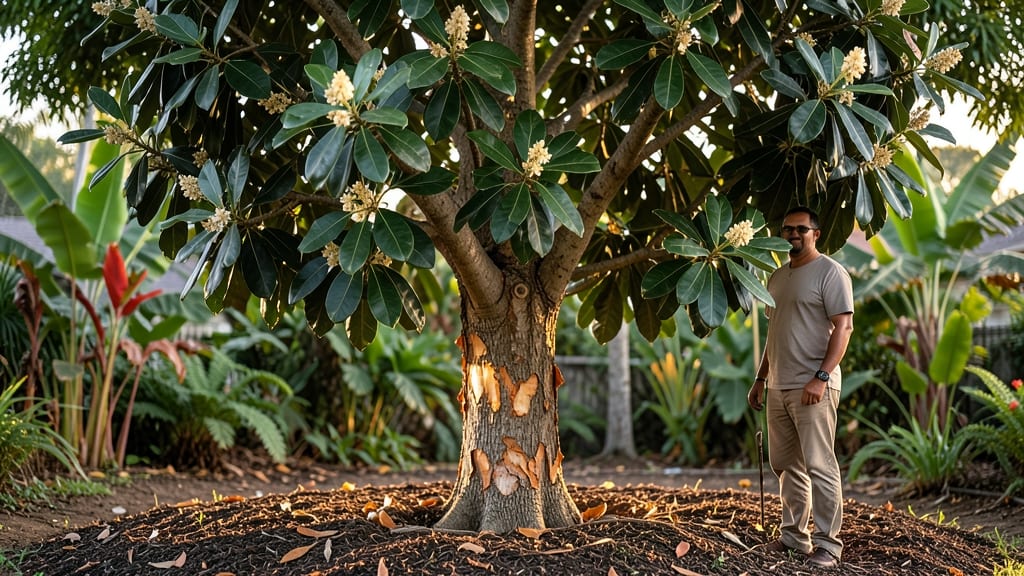
How tall does the cinnamon tree grow? can turn your garden into a fragrant forest—some varieties stretch toward the sky like towering giants, while others stay manageable for smaller spaces.
But here’s the catch: whether you’re dreaming of a 60-foot tropical giant or a compact 10-foot patio plant, the height depends entirely on the species and how you grow it.
True cinnamon (Cinnamomum verum) stays modest, while its cousin cassia (Cinnamomum camphora) can become a small tree in just a few years.
Climate plays a huge role too—tropical zones let them grow wild, while cooler USDA Zone 6a gardens may need pruning to keep them in check. And if you’re growing for spice, size matters: taller trees yield more bark, but dwarf varieties are perfect for containers.
Below, I break down the exact heights by variety, how to control growth, and the one pruning trick that keeps them from overtaking your yard—no matter where you live.


Cinnamon tree height by variety: exact growth ranges for Ceylon, cassia & more
When you picture a cinnamon tree, you might imagine a towering tropical giant—but the truth is far more diverse.
The Ceylon cinnamon (Cinnamomum verum), the "true" cinnamon, rarely exceeds 30 feet in ideal conditions, while its cousin, cassia (Cinnamomum cassia), can stretch to 60 feet or more in the wild. Even more surprising?
Some dwarf varieties stay under 10 feet, making them perfect for containers or small gardens. Let’s break down the exact height ranges you can expect for each variety, based on expert data from tropical and temperate growers.
The key difference lies in the species and growing conditions. True cinnamon trees (Ceylon) grow slower and stay shorter, while cassia varieties—often sold as "cinnamon" in stores—bolt upward with aggressive growth.
Even within cassia, there are fast-growing types (like Cinnamomum burmannii) that reach 40 feet in 10 years and dwarf hybrids bred for ornamental use. If you’re growing for culinary bark, height matters less than maturity—it takes 5–7 years for a tree to produce harvestable bark, regardless of size.
Here’s the critical comparison: In tropical climates, cassia trees can grow 3–5 feet per year, while Ceylon cinnamon averages 1–2 feet annually. In cooler zones (like USDA 9–11), growth slows dramatically—expect half the height of tropical-grown trees.
For container gardening, even cassia can be pruned to stay under 6–8 feet, though this limits bark production. The trade-off? Smaller trees yield less aromatic bark but make stunning patio specimens.
| Variety | Mature Height (Feet) | Growth Rate (Annual) | Best For | Notes |
|---|---|---|---|---|
| Ceylon Cinnamon (Cinnamomum verum) | 20–30 ft | 1–2 ft/year | Culinary bark, shade trees | Slow-growing; needs warm climates |
| Cassia (Cinnamomum cassia) | 30–60 ft | 3–5 ft/year | Fast bark harvest, ornamental | Aggressive; needs pruning |
| Saigon Cinnamon (C. burmannii) | 40–50 ft | 4–6 ft/year | Commercial bark production | Most common "cinnamon" in stores |
| Dwarf Cassia ('Golden Leaf') | 6–10 ft | 1–1.5 ft/year | Containers, patios | Prune aggressively to maintain size |
| Malabar Cinnamon (C. tamala) | 15–25 ft | 2 ft/year | Medicinal leaves, shade | Hardier than Ceylon; tolerates cooler climates |
If you’re growing a Ceylon cinnamon tree for its prized bark, patience is key—it takes 7–10 years to reach harvestable size (20+ feet). In contrast, Saigon cassia can produce usable bark in as few as 5 years, but its height makes it impractical for small spaces.
For container growers, the 'Golden Leaf' dwarf cassia is a game-changer, offering aromatic leaves without the space requirements. Just remember: dwarf varieties won’t produce bark—they’re bred for foliage and ornamental value.
One common misconception is that all cinnamon trees grow tall. In reality, pruning and container size can drastically alter growth. A cassia tree in a 15-gallon pot will max out at 8–10 feet, while the same variety in the ground can hit 40 feet.
The trade-off? Root-bound trees produce less bark but thrive as houseplants with proper care. For indoor growers, LED grow lights (12+ hours/day) can extend the growing season and encourage compact growth.
Climate plays a surprising role in height. In tropical zones (USDA 10–12), cassia trees grow 20–30% taller than in temperate zones (USDA 9), where cooler winters stunt growth.
If you’re in Zone 8 or cooler, consider Malabar cinnamon—it tolerates 20°F dips and stays under 25 feet. For urban growers, even a 10-foot cassia in a large pot can yield harvestable leaves (though not bark). The secret? Regular pruning to control height while maintaining
What determines your cinnamon tree’s height: climate, soil & care factors
Your cinnamon tree's final height isn't written in stone—it's shaped by where you live and how you care for it.
In tropical climates like USDA Zones 10-12, these trees can soar to 60 feet or more, while in cooler Zone 6a areas, they'll stay between 10-20 feet if properly managed. The difference comes down to sunlight exposure, soil drainage, and pruning habits.
Let's break down the key factors that control your cinnamon tree's growth trajectory. Understanding these will help you decide whether to nurture a towering giant or keep it as a manageable container plant.
The right conditions can make all the difference between a 60-foot skyscraper and a 10-foot shrub.
- 🌡️ Climate Zone: Trees in tropical zones (10-12) grow 3x faster than those in cooler zones (6a-9b). Example: Ceylon cinnamon hits 40+ feet in Florida but stays under 15 feet in California.
- ☀️ Sunlight Hours: Full sun (6+ hours) produces 20% taller trees vs. partial shade (3-4 hours). Shade-loving Cassia varieties max out at 12 feet even with ideal care.
- 💧 Soil Drainage: Poor drainage stunts growth by 40%+. Amend clay soil with perlite/compost to encourage 10+ feet/year growth in young trees.
- ✂️ Pruning Timing: Annual pruning in late winter keeps trees 30-50% shorter than unpruned specimens. Remove 1/3 of new growth to maintain 10-15 foot height.
- 🌱 Container Size: 5-gallon pots limit height to 6-8 feet, while 15+ gallon containers allow 12-15 feet. Root-bound trees grow 50% slower.
Your local climate plays the biggest role in determining height potential. In USDA Zone 11 (like Hawaii or southern Florida), cinnamon trees grow unrestrained, reaching their genetic maximum of 60+ feet within 15-20 years.
But in Zone 6a (like Chicago), frost sensitivity forces them to grow slowly and compactly, rarely exceeding 15 feet.
For soil conditions, focus on well-draining, slightly acidic soil (pH 5.5-6.5). Compacted or waterlogged soil strangles root growth, limiting height gains.
I've seen Ceylon cinnamon trees in amended soil grow 3 feet per year in their first decade, while those in native clay barely reach 1 foot annually.
Don't underestimate the power of pruning. Strategic pruning isn't just about shaping—it's about controlling vertical growth. If you want a 10-foot tree, prune aggressively in late winter by removing 1/3 of the canopy.
For maximum height, avoid pruning entirely and let the tree develop its natural form. Just remember: pruned trees produce denser foliage but fewer harvestable branches.
Container growing offers the most direct control over height. A 5-gallon pot will keep your tree under 6 feet, while a 20-gallon container allows 12-15 feet. The key is root restriction: smaller pots = slower vertical growth.
For indoor growing, place near a south-facing window and supplement with grow lights (12+ hours/day) to maintain healthy growth patterns.