
How To
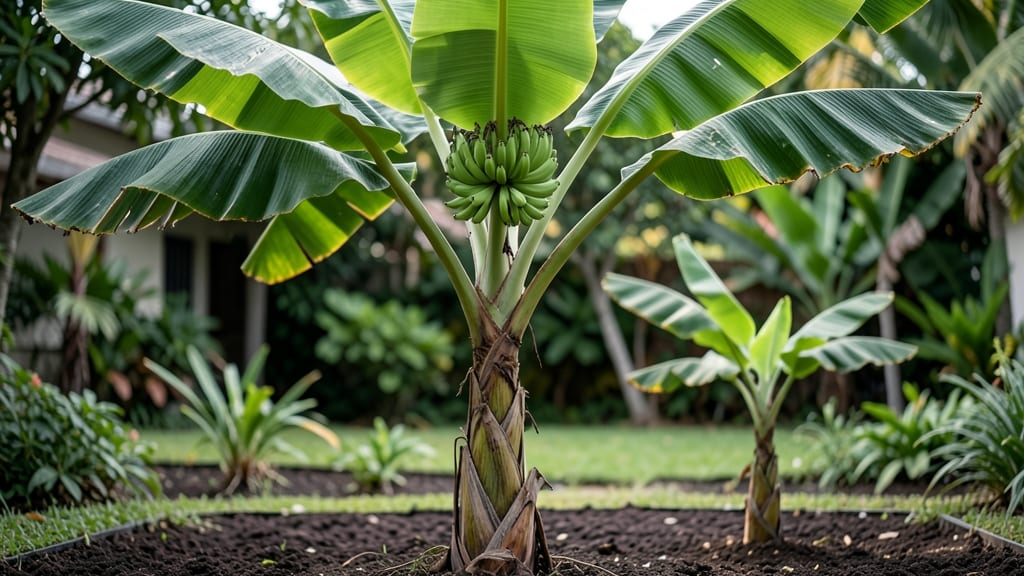
A banana tree 🍌 can grow anywhere from 10 to 30 feet tall, depending on the variety and growing conditions—so if you’re eyeing one for your garden, size matters more than you think.
Picture this: a dwarf Cavendish barely clears your fence at 8 feet, while a Red Dacca towers over your house like a jungle giant.
That’s the kind of height range you’re dealing with, and it all comes down to genetics, climate, and how much space you’re willing to give it.
In tropical zones like Florida or Hawaii, banana trees thrive year-round, stretching toward the sky with minimal effort. But in cooler climates? They’ll stay small in pots or bolt to fruit faster—unless you’re willing to winter them indoors.
The right variety and a little planning can keep your banana tree from becoming a neighborhood landmark overnight.
Want to know which types stay compact, how to control their growth, or where to plant them for maximum height? We’ve got the breakdown—plus tips to keep your banana tree happy, no matter how tall it gets. Check our banana tree care guide for more details!


Banana tree height ranges by popular varieties (from dwarf to giant)
If you’re planning to grow banana trees in your garden, knowing their mature heights is crucial for spacing and layout. Some varieties stay compact enough for containers, while others reach towering heights that require careful planning.
The Dwarf Cavendish, for example, is perfect for small spaces, while the Red Dacca can dominate your landscape like a small tree. Let’s break down the height ranges of the most popular banana varieties to help you choose the right fit for your space.
Banana trees are classified by height into three main categories: dwarf, semi-dwarf, and standard varieties. Dwarf types typically max out at 8–12 feet, making them ideal for containers or small gardens.
Semi-dwarf varieties grow 12–18 feet tall, while standard banana trees can reach 20–30 feet or more, requiring ample yard space or tropical climates. Your choice depends on your garden’s size, climate, and whether you’re growing for fruit or ornamental value.
Here’s a quick reference table for the most common banana varieties, including their mature heights, growth rates, and ideal spacing for home gardens:
| Variety | Mature Height | Growth Rate | Ideal Spacing | Best For |
|---|---|---|---|---|
| Dwarf Cavendish | 8–12 ft | Moderate (3–6 ft/year) | 6–8 ft apart | Containers, small gardens |
| Lady Finger (Ice Cream) | 10–15 ft | Fast (4–8 ft/year) | 10–12 ft apart | Home gardens, tropical climates |
| Red Dacca | 15–20 ft | Very fast (6–10 ft/year) | 15–20 ft apart | Large gardens, commercial farms |
| Musa acuminata (Standard) | 20–30 ft | Fast (5–10 ft/year) | 20–30 ft apart | Tropical regions, large estates |
| Bluggoe | 12–18 ft | Moderate (4–7 ft/year) | 10–12 ft apart | Cold-hardy varieties, USDA Zone 9+ |
The Dwarf Cavendish is my top recommendation for beginners or those with limited space. It thrives in 5-gallon containers and produces fruit in as little as 10–12 months, making it one of the fastest dwarf varieties.
For a dramatic tropical look, the Red Dacca is unbeatable—its striking red fruit and rapid growth make it a showstopper, but it needs plenty of room to stretch its legs.
If you’re in a warmer climate like Florida or Hawaii, standard varieties like Musa acuminata can grow even taller, sometimes exceeding 30 feet.
Growth rates vary by variety and climate. In ideal conditions—full sun, warm temperatures (70–90°F), and rich, well-draining soil—banana trees can grow 3–10 feet per year. However, cooler climates or containers slow growth significantly.
For example, a Dwarf Cavendish in a 15-gallon pot might only reach 6–8 feet tall, while the same variety planted in-ground in Zone 11 could hit 12 feet or more. Always check your local USDA hardiness zone to ensure the variety you choose can thrive in your area.
Spacing is another critical factor. Standard banana trees need 20–30 feet between plants to avoid competition for nutrients and sunlight. Semi-dwarf varieties like Lady Finger can handle 10–12 feet of space, while dwarf types like Dwarf Cavendish can be planted 6–8 feet apart.
If you’re growing multiple trees, consider their mature size when planning your garden layout to prevent overcrowding, which can lead to pests, disease, and reduced fruit production.
For
How climate zones affect banana tree growth height (and where to grow them)
Banana trees thrive best in warm climates, but their growth height can vary dramatically based on your USDA hardiness zone. In zones 10–11, they can reach their full tropical potential—soaring to 20–30 feet—while cooler zones like 8–9 limit them to 8–15 feet unless grown in containers.
The key difference? Temperature tolerance and seasonal changes.
In Hawaii or Florida (zones 10–11), banana trees grow aggressively year-round, producing 30-foot giants like the Red Dacca or Ice Cream varieties. Meanwhile, in California’s coastal zones (9–10), dwarf varieties like Dwarf Cavendish stay manageable at 8–12 feet, perfect for home gardens.
Even in zone 8, with winter protection, you can still grow semi-dwarf types.
Cold snaps are the biggest threat to banana trees. In zone 8 or below, temperatures dropping below 32°F can kill the plant, but varieties like Lady Finger can survive brief chills if mulched heavily.
For container growing in cooler areas, move pots indoors during winter or wrap the trunk in burlap for insulation.
Southern Florida and Hawaii offer ideal conditions for banana trees, with year-round growth and minimal winter care. Meanwhile, California’s inland valleys (zone 9–10) see slower growth in winter but still support 15–20-foot trees.
In zone 8, like parts of Georgia or South Carolina, focus on dwarf or semi-dwarf varieties and use black plastic mulch to protect roots.
If you’re in zone 7 or colder, treat banana trees as tender perennials or grow them in large containers**> that you can move indoors. Even then, expect slower growth and shorter heights (6–10 feet) unless you provide greenhouse-like conditions.
The trade-off? You’ll still get edible fruit, just on a smaller scale.
For maximum height, prioritize full sun (6+ hours daily), well-draining soil, and consistent moisture. In cooler zones, winter pruning (removing dead leaves) helps redirect energy to new growth when temperatures rise.
With the right care, even a zone 8 garden can support a 10-foot banana tree—just don’t expect it to rival the 30-foot giants of the tropics! 🌱