
Planting
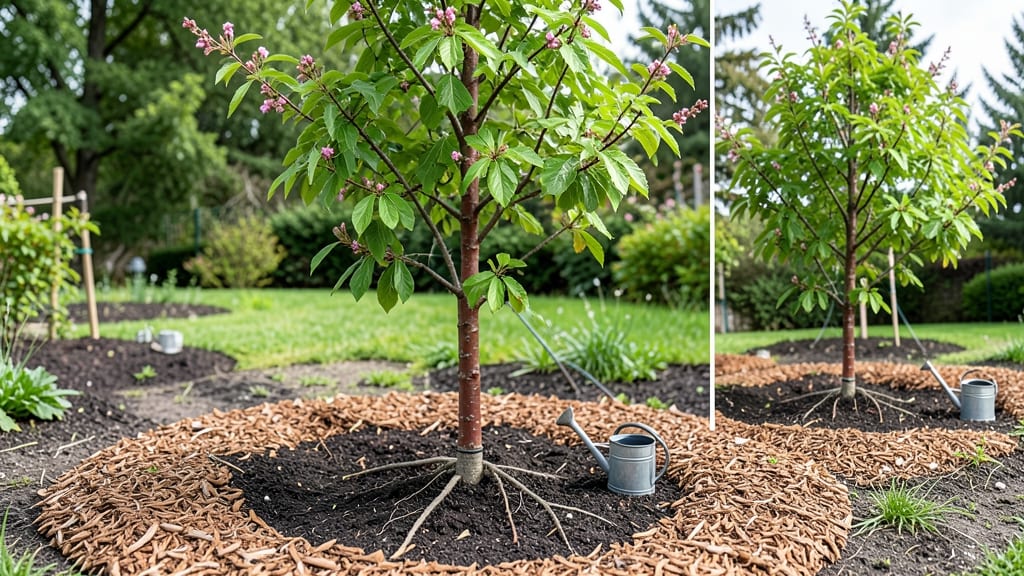
Tree transplant shock recovery time depends on species, size, and care—most trees stabilize within 2 to 4 weeks, with full recovery taking 6 months to 2 years. Look for wilting leaves, yellowing foliage, or slow growth as clear stress signals.
Understanding transplant shock helps you set realistic expectations. 🌳 The initial 2-4 week period is critical because trees struggle to adapt to new soil, water availability, and environmental conditions. Younger trees or delicate species like magnolias or dogwoods often take longer to bounce back than hardy oaks or pines.
Proper aftercare—like consistent watering and avoiding heavy pruning—can cut recovery time by up to 30%, while poor conditions may extend it significantly.
What's fascinating is how trees prioritize energy during this phase. They focus first on root regrowth, which can take weeks to months, before fully resuming leaf production. This explains why you might see new growth appearing months after transplanting—it's not neglect, but the tree's natural recovery strategy.
💡 In This Article
- Factors Affecting Tree Transplant Shock Recovery Speed
- How to Accelerate Tree Healing After Transplanting
Factors affecting tree transplant shock recovery speed
Root ball size is the single biggest factor in recovery time. Trees with large, intact root systems—especially those with 10+ gallons of soil—adapt faster because they retain more moisture and nutrients during transplant.
For example, a 5-gallon dogwood might recover in 3-6 months, while a 150-gallon oak could take 2+ years due to the sheer volume of roots needing to establish. The key is minimizing root damage during digging and planting.
Species resilience plays a critical role too. Deciduous trees like maples or birches often recover quicker than evergreens, which lose water through needle transpiration year-round. Bald cypress, for instance, handles transplant shock better than arborvitae because its roots can tolerate temporary flooding.
Climate also matters—trees in USDA Zone 5 may struggle more in summer heat than those in Zone 9 due to water stress.
Soil conditions create another major hurdle. Compacted or poorly draining soil forces roots to work harder to access oxygen and water. A sandy loam** (ideal for root growth) speeds recovery compared to clay-heavy soil, which can suffocate roots.
Seasonal timing is equally important—spring or fall transplants give trees 6-8 weeks of moderate weather to establish before extreme temperatures arrive.
What happens physiologically? When uprooted, trees experience a surge in ethylene gas production—a stress hormone that triggers leaf drop. Simultaneously, roots release root exudates to attract beneficial microbes that help break down soil and improve nutrient uptake.
This microbial partnership is why well-amended soil can cut recovery time by 30-50%.
Consider this example: A 2-inch caliper red maple transplanted in spring with proper root ball care might show 50% new growth by summer, while the same tree in poor soil could lose 70% of its leaves.
The difference lies in how quickly roots can access water and nutrients—critical for photosynthesis and regrowth.
Finally, tree age matters. Mature trees with established root systems recover faster than young specimens, but their larger canopies also increase water loss. This is why mulching within 24 inches of the trunk is essential—it retains moisture and regulates soil temperature, both of which accelerate root establishment.