
Pruning
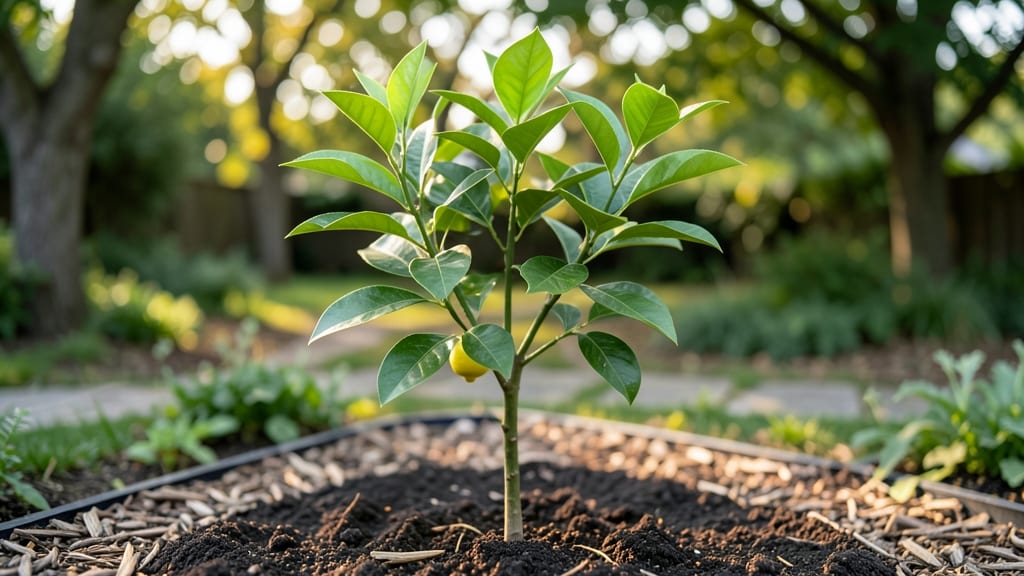
Growing lemon tree saplings in containers means fresh citrus year-round, even on a balcony. 🌱 I learned the hard way that container size and sunlight make all the difference—my first sapling nearly died from a pot that was too small.
The right setup turns a delicate nursery plant into a productive tree that rewards you with lemons for years.
Start with a 4-5 gallon pot and well-draining soil mix—citrus hates soggy roots. Place your sapling where it gets 6-8 hours of sunlight daily, and keep temperatures above 50°F (they’re tropical, after all).
Water when the top inch of soil feels dry, but never let it sit in water. A balanced citrus fertilizer every 4-6 weeks in growing season keeps it thriving.
Within 6-12 months, you’ll see buds forming—proof you’re doing it right. The first lemons might be small, but each one tastes sweeter than store-bought. Prune lightly in spring to encourage bushier growth, and watch for pests like spider mites (wipe leaves with neem oil if you spot them).
This method works for Meyer lemons (the easiest for beginners) or standard varieties, and you can move pots indoors during winter if you live in a cold climate. The key? Patience—your tree won’t fruit overnight, but the journey is worth it. Ready to get started?
📚 In This Guide
- What you need
- Instructions
- Tips and common mistakes
- Wrapping up and next steps
What you need
- ● Lemon tree saplings: 1-2 healthy, disease-free saplings (choose dwarf varieties like Meyer lemon for containers).
- ● Containers: 1-3 large pots (15-20 gallons each) with drainage holes. Use terracotta, fiberglass, or plastic (avoid metal).
- ● Well-draining potting mix: 1 bag (2-3 cubic feet) of a blend like cactus/succulent mix + perlite/pumice (3:1 ratio).
- ● Slow-release fertilizer: 1 lb of citrus-specific or balanced (10-10-10) fertilizer.
- ● Drainage materials: Small pebbles or broken pottery (1-2 inches layer for each pot).
- ● Watering can: 1 with a rose attachment for gentle watering.
- ● Pruning tools: 1 pair of sterilized bypass pruners (for shaping and harvesting).
- ● 1 small hand saw (for thicker branches, if needed).
- ● pH test kit: To check soil acidity (ideal: 6.0-7.0).
- ● Mulch: 1 bag of organic mulch (e.g., pine bark) to retain moisture.
- ● Support stake: 1-2 bamboo or metal stakes (for young trees).
- ● Spray bottle: For misting leaves in dry climates.
- ● Gloves: 1 pair of gardening gloves (to protect from thorns).
- ● Grow lights: 1-2 LED grow lights (if indoors, 12-14 hours/day).
Step-by-step instructions for growing lemon tree saplings in containers
Here’s how to nurture your citrus saplings into thriving, fruit-bearing trees—even in limited space.
🌱 Step 1: Select the Right Container and Drainage
Choose a minimum 5-gallon container with drainage holes—lemon trees despise soggy roots. I use unglazed ceramic pots because they wick moisture away naturally, but any container with at least 3 drainage holes works. Elevate pots on feet or a saucer to prevent root rot from sitting water.
Fill the bottom 2 inches with gravel or broken pottery to create a reservoir for excess water. This layer ensures roots stay aerated while allowing runoff to escape. Avoid plastic pots without drainage—they trap moisture and suffocate roots within weeks.
🌿 Step 2: Prepare Well-Draining Soil Mix
Lemon trees need fast-draining, slightly acidic soil (pH 6.0–7.0). Mix 50% premium potting soil, 30% perlite or pumice, and 20% compost for nutrients. Avoid garden soil—it compacts and blocks root growth.
Moisten the mix until it’s damp but not wet, like a wrung-out sponge. Pack it loosely into the pot, leaving 1 inch from the rim for watering. Tap the pot gently to settle the soil without compacting it—roots need air pockets to thrive.
☀️ Step 3: Plant and Position for Optimal Light
Remove the sapling from its nursery pot and loosen the roots if they’re circling. Plant it so the graft union (visible bump near the base) sits just above soil level. Backfill with your mix, pressing lightly to eliminate air gaps.
Place the pot in full sun (6–8 hours daily)—a south or west-facing spot works best. Lemon trees need bright, direct light to prevent leggy growth. If indoors, supplement with a grow light 6–12 inches away for 12–14 hours daily. Watch for leaves stretching toward the light—this means it’s not close enough.
💧 Step 4: Water and Fertilize for Healthy Growth
Water deeply every 7–10 days, letting 1 inch of soil dry between waterings. Stick your finger 1 inch into the soil—if it’s dry, water until it drains freely from the holes. Overwatering is the #1 killer of container citrus.
Fertilize monthly in spring/summer with a citrus-specific formula (high in nitrogen, low in salt). In fall/winter, reduce to every 6–8 weeks—lemon trees rest during cooler months. Yellow leaves? You’re overwatering or over-fertilizing. Brown edges? It’s too dry.
✂️ Step 5: Prune and Protect for Year-Round Success
Prune in late winter to shape the tree and remove dead or crossing branches. Cut just above a leaf node at a 45-degree angle to encourage new growth. Avoid heavy pruning—lemon trees fruit on old wood, and aggressive cuts reduce harvests.
Watch for spider mites or scale (common in dry indoor air). Spray with neem oil weekly if you spot webbing or sticky residue on leaves. In winter, move pots indoors if temperatures drop below 40°F—citrus trees are tender and won’t survive frost.
Tips & tricks for perfect lemon tree saplings
Here's what nobody tells you about growing thriving citrus trees in containers—trust me, these details make all the difference.
Container Material Matters: While ceramic pots are ideal, you can also use fiberglass or glazed ceramic containers as long as they have adequate drainage. Avoid metal pots—they heat up too quickly in direct sunlight and can stress the roots. If using plastic, ensure it's labeled as "self-watering" with proper drainage holes to prevent root rot. The key is maintaining consistent moisture levels without waterlogging, which is why proper drainage is non-negotiable.
Soil pH is Critical: Test your soil pH before planting—lemon trees thrive between 6.0–7.0. If your mix tests outside this range, adjust with elemental sulfur (to lower pH) or lime (to raise pH). I've seen saplings struggle in slightly alkaline soil, so this is worth the small investment in a pH meter. The right pH ensures your tree can absorb nutrients efficiently, which directly impacts growth and fruit production.
Light Positioning Secrets: When placing your sapling, rotate the pot quarter-turn every week to ensure even growth. This prevents the tree from leaning toward the light source. If growing indoors, position the grow light 12–14 inches away—closer than 12 inches can scorch leaves, while farther than 14 inches may not provide sufficient intensity. Watch for leaves stretching toward the light as your first indicator that adjustments are needed.
Fertilizer Timing: The monthly spring/summer fertilization schedule is ideal, but I recommend using a slow-release citrus fertilizer in early spring to provide a steady nutrient supply. This reduces the risk of over-fertilizing, which can cause leaf burn. Always water thoroughly after fertilizing to help distribute nutrients evenly through the soil and prevent salt buildup that can harm roots.
Pro Tips for Lemon Tree Saplings
- Here's what nobody tells you about growing thriving citrus trees in containers—trust me, these details make all the d...
- Container Material Matters: While ceramic pots are ideal, you can also use fiberglass or glazed ceramic containers as...
- Soil pH is Critical: Test your soil pH before planting—lemon trees thrive between 6.0–7.0. If your mix tests outside ...
Frequently asked questions
Got questions about growing lemon tree saplings in containers? You’re not alone! Here are some of the most common concerns—and their solutions—to help you cultivate a thriving citrus tree year-round.
How long does it take for lemon tree saplings to bear fruit?
Patience is key! Dwarf varieties (ideal for containers) typically take 3–5 years to produce fruit, while standard-sized saplings may wait 5–7 years. Factors like sunlight, soil quality, and care directly impact timing. Pro tip: Prune strategically to encourage fruiting—focus on removing dense growth to redirect energy to blooms!
Can lemon tree saplings survive winter in containers?
Yes, but they need protection! Move potted saplings to a cool, bright spot (50–60°F) like a garage or sunroom before temps drop below 40°F. Avoid drafts and mulch the soil to retain warmth. Pro tip: If you live in a harsh climate, wrap the pot in bubble wrap or use a frost cloth for extra insulation.
How often should I water lemon tree saplings in containers?
Container-grown trees dry out faster—water when the top 1–2 inches of soil feel dry (usually every 5–7 days, more in summer). Overwatering is risky! Ensure pots have drainage holes and use well-draining soil. Pro tip: Water deeply in the morning to mimic natural rainfall and reduce fungal risks.
What’s the best alternative if my lemon sapling isn’t thriving?
If your sapling struggles with pests, disease, or slow growth, try these fixes:
- Meyer lemon varieties—hardier and more cold-tolerant than true lemons.
- Switch to a larger container (15+ gallons) for better root space.
- Amend soil with organic compost or citrus-specific fertilizer.
- Consider grafted trees for faster, more reliable fruiting.
How do I prevent pests like aphids or spider mites on my sapling?
Pests love tender new growth! Start with preventative care: spray leaves with neem oil weekly or use insecticidal soap. Prune affected areas immediately and isolate infested plants. Pro tip: Encourage beneficial insects like ladybugs by planting companion herbs (e.g., basil or marigolds) nearby.
| Quick Fixes for Common Issues |
|---|
| Yellow leaves? Overwatering or nutrient deficiency. Check drainage and fertilize with citrus-specific food. |
| Dropping leaves? Stress from temperature shifts or underwatering. Adjust care and monitor humidity. |
| No flowers? Needs more sunlight (6+ hours daily) or a rest period (reduce water in winter). |
Wrapping up and next steps
Growing lemon tree saplings in containers is a rewarding journey that brings year-round citrus joy to your home—even in small spaces! 🌱 With the right care, pruning, and a little patience, you’ll soon be harvesting fresh, zesty lemons to brighten up your kitchen and impress your friends. Now’s the perfect time to take action: grab those saplings, follow the steps you’ve learned, and watch your citrus dream flourish!
Next up: Start small—plant your sapling, monitor its growth, and adjust care as needed. Before you know it, you’ll be reaping the sweet rewards of your green thumb! 🍋✨