
Trees
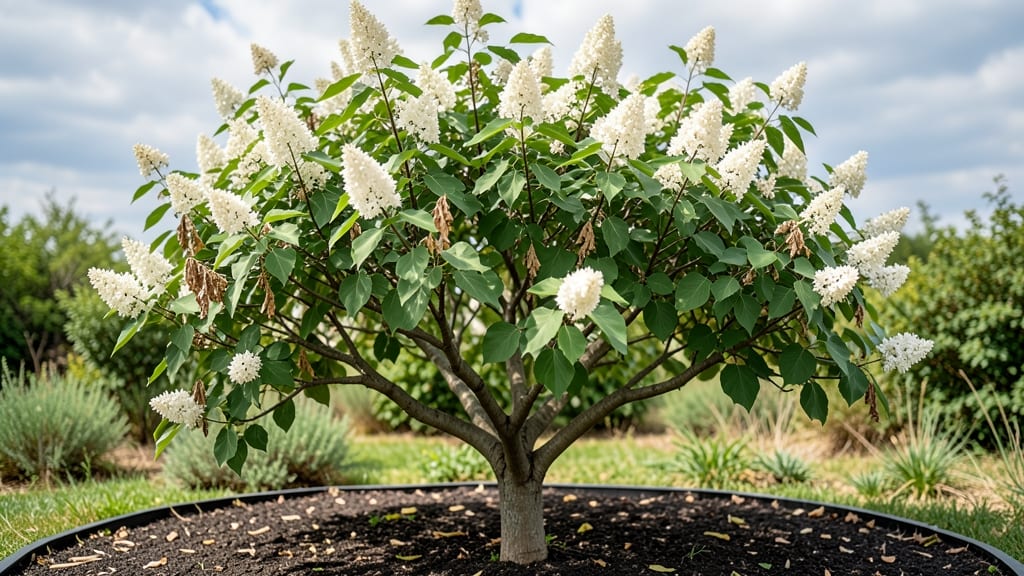
When your lilac tree leaves turn white, it’s usually a sign of powdery mildew—not a death sentence. 🌿 I’ve battled this exact issue with my 15-year-old lilac, and the key is catching it early before the fungus spreads.
The white, powdery coating on leaves isn’t just unsightly; it weakens the plant, reducing those fragrant blooms you love.
The culprit is often powdery mildew, thriving in shady, humid conditions. Look for white patches on the undersides of leaves first, then spreading to stems. Other causes include nutrient deficiencies (like too much nitrogen) or even overwatering, which stresses the tree.
The good news? Organic fixes like neem oil or baking soda sprays can turn things around fast.
Start by pruning affected branches to improve airflow, then treat with a mix of 1 tablespoon baking soda, 1 teaspoon mild dish soap, and 1 gallon of water.
Spray leaves thoroughly every 7–10 days until the white coating disappears. For severe cases, a fungicide like sulfur-based sprays works, but organic methods usually do the trick.
Prevention is easier than cleanup: prune lilacs in late winter to boost airflow, water at the base (not overhead), and choose a sunny spot. With these steps, your lilac will bounce back—ready to perfume your yard with those iconic spring blooms again.
Underlying Causes of Leaf Discoloration
White or pale leaves on your lilac tree aren’t always a sign of disease—they can stem from a mix of environmental, biological, and even cultural factors. Understanding the root causes helps you address the issue before it worsens.
Below, we break down the most common reasons your lilac’s foliage might be losing its vibrant green hue.
Lilacs thrive on balance, and when key nutrients are lacking, their leaves often turn pale or white. Here’s what to watch for:
- 💡 Chlorosis (Iron Deficiency) - Symptoms: New leaves appear white or yellow with green veins. Older leaves may stay green but feel weak. - Why it happens: Lilacs prefer slightly acidic to neutral soil (pH 6.0–7.0).
In alkaline soils (pH >7.0), iron becomes unavailable, even if it’s present.
This disrupts chlorophyll production, leading to pale leaves. - Actionable fix: - Test your soil’s pH with a kit (available at garden centers). - Amend the soil with chelated iron (like iron sulfate or iron EDTA) or sulfur to lower pH gradually. - Apply compost or peat moss to improve soil structure and acidity over time.
- 🌿 Nitrogen Starvation - Symptoms: Overall pale green or yellowing leaves, stunted growth, or fewer blooms. - Why it happens: Nitrogen is essential for leafy growth.
If your lilac isn’t getting enough (common in poor or overworked soil), it prioritizes existing leaves over new ones, leading to a washed-out appearance. - Actionable fix: - Feed your lilac with a balanced fertilizer (10-10-10 or 20-20-20) in early spring. - Use organic options like blood meal (high in nitrogen) or composted manure. - Avoid over-fertilizing—too much nitrogen can burn roots and cause other issues.
- 🍃 Magnesium or Manganese Shortages - Symptoms: Yellowing between leaf veins (interveinal chlorosis), especially on older leaves. - Why it happens: These micronutrients are vital for chlorophyll.
Compacted or clay-heavy soils often lack them, leading to pale patches. - Actionable fix: - Apply Epsom salt (magnesium sulfate) dissolved in water (1 tbsp per gallon) as a foliar spray or soil drench. - Use manganese sulfate sparingly (follow package instructions) if chlorosis persists.
Lilacs are hardy, but extreme conditions can shock their systems, causing leaves to bleach or turn white. Here’s how to spot the culprits:
- 🔥 Heat or Sunburn - Symptoms: White or crispy patches on leaves exposed to direct sunlight, often on the upper canopy or south-facing sides. - Why it happens: Intense heat (especially in dry climates) can scorch leaves, causing them to bleach or die.
Young leaves are most vulnerable. - Actionable fix: - Provide afternoon shade during heatwaves with a shade cloth or nearby trees. - Water deeply 1–2 times per week (1–1.5 inches per session) to keep roots cool. - Mulch with wood chips or straw to retain soil moisture and regulate temperature.
- ❄️ Frost or Cold Damage
- Symptoms: White, mushy, or translucent leaves after a hard freeze, often with brown edges.
- Why it happens: Lilacs are cold-hardy, but late spring frosts (after buds swell) or prolonged sub-freezing temps can damage cell walls, leading to pale, waterlogged-looking foliage.
- Actionable fix:
- Cover young trees with frost cloth if frost is forecasted after buds appear.
- Plant lilacs in sheltered locations (e.g., near a south-facing wall) to trap heat.
- Avoid pruning in late winter—wait until after flowering to reduce frost risk.
- 💧 Overwatering or Poor Drainage - Symptoms: Yellowing leaves that turn white or mushy, often with root rot (check for foul-smelling soil). - Why it happens: Lilacs hate soggy roots.
Overwatering or clay soil without amendments can suffocate roots, starving leaves of oxygen and nutrients. - Actionable fix: - Ensure the planting site has well-draining soil—amend with sand or perlite if needed. - Water only when the top 2 inches of soil are dry (stick your finger in to test). - Improve drainage by raising the planting mound or installing a French drain if water pools.
Not all pale leaves are due to neglect—some are caused by tiny (but mighty) pests or diseases. Here’s how to identify them:
- 🐜 Spider Mites or Aphids
- Symptoms: White, stippled leaves (tiny dots) or sticky residue (honeydew), often with webbing.
- Why it happens: These sap-sucking pests weaken leaves by removing chlorophyll-rich fluids, causing them to bleach or turn white.
- Actionable fix:
- Blast them off with a strong spray of water (early morning).
- Use neem oil or insecticidal soap (follow label rates) for severe infestations.
- Introduce predatory insects like ladybugs or lacewings to control populations naturally.
- 🍄 Powdery Mildew
- Symptoms: White, powdery coating on leaves (like dust), often on the upper surface.
- Why it happens: This fungal disease thrives in humid, shaded conditions and poor air circulation.
- Actionable fix:
- Prune for airflow—remove dense branches and nearby overgrowth.
- Apply baking soda spray (1 tsp baking soda + 1 quart water + a drop of dish soap) weekly.
- Use fungicidal sprays (like sulfur or copper-based) if mildew spreads.
- 🦟 Scale Insects
- Symptoms: White, waxy bumps on stems or leaf undersides, often with yellowing leaves.
- Why it happens: These immobile pests pierce plant cells, draining nutrients and causing leaves to lose color.
- Actionable fix:
- Scrape off visible scale with a stiff brush or cotton swab dipped in rubbing alcohol.
- Apply horticultural oil in dormant season (late fall/winter) to smother eggs.
Even well-intentioned gardening can backfire. Here’s how improper care might be turning your lilac leaves white:
- ✂️ Over-Pruning or Wrong Timing - Symptoms: Weak growth, pale new leaves, or no blooms the following year. - Why it happens: Lilacs bloom on old wood.
Pruning too late (after mid-summer) or cutting back more than 1/3 of the plant can stress it, reducing chlorophyll production. - Actionable fix: - Prune immediately after flowering (late spring/early summer). - Remove only dead, crossing, or overcrowded branches—never "rejuvenate" by cutting back hard. - Avoid pruning in fall or winter (dormant season), as this encourages new growth that can’t survive cold.
- 🌍 Transplant Shock - Symptoms: Wilting, pale leaves, or slow recovery after moving the tree. - Why it happens: Lilacs have deep roots and dislike being uprooted.
Poor handling during transplanting can damage roots, leading to nutrient uptake issues. - Actionable fix: - Water deeply for 2 weeks before and after transplanting. - Prune 1/3 of the canopy to reduce stress on the root system. - Avoid fertilizing for 4–6 weeks post-transplant—focus on recovery first.
Pro Tip: 🔍 Diagnose like a pro—examine the pattern of discoloration:
- Young leaves only? → Likely nutrient deficiency (iron/manganese).
- Older leaves first? → Could be magnesium or potassium issues.
- Random white patches? → Probably pests or environmental stress.
Revitalize Your Lilac Tree’s Health
A white lilac tree’s leaves shouldn’t just be a pretty sight—they should thrive! If yours are struggling, don’t worry—most issues have simple, effective fixes. Below, we’ll tackle the most common problems with practical steps to restore your tree’s vibrancy, plus prevention tips to keep it flourishing for years.
Yellowing leaves often signal a lack of essential nutrients. Lilacs thrive in well-drained, slightly acidic soil, but poor soil quality can leave them malnourished.
How to Fix It: 🔥 Test Your Soil – Grab a soil test kit (available at garden centers) to check pH and nutrient levels. Lilacs prefer pH 6.0–7.0. 🍳 Amend the Soil – Mix in compost or aged manure to improve fertility. For quick results, use a balanced fertilizer (10-10-10) in early spring. 👨🍳 Target-Specific Feeding – If leaves are pale yellow, they may need iron (use chelated iron supplements). For yellowing edges, magnesium (Epsom salt spray) can help.
Prevention Tips: ✨ Mulch Annually – Apply 2–3 inches of organic mulch (like wood chips) to retain moisture and nutrients. 🌡️ Avoid Overwatering – Lilacs hate soggy roots. Water deeply once a week (more in extreme heat) and ensure proper drainage.
Dark spots, wilting, or premature leaf drop? Fungal diseases like powdery mildew or anthracnose are likely culprits.
How to Fix It: 🔪 Prune Infected Branches – Cut off any spotted or diseased leaves/branches with clean pruners. Dispose of them in the trash (not compost). 🥘 Apply Fungicide – Use a copper-based or neem oil spray (follow label instructions) to treat fungal growth. Reapply every 7–10 days until symptoms fade. ⏰ Improve Airflow – Thin out dense foliage to reduce humidity around the tree, which fungi love.
Prevention Tips: 💡 Water at the Base – Avoid overhead watering, which spreads fungal spores. 🎯 Space Trees Properly – Plant lilacs 6–10 feet apart to prevent overcrowding.
Sticky leaves, tiny webs, or chewed edges? Pests are likely feasting on your lilac.
How to Fix It: 🔥 Blast Off Pests – Spray leaves with a strong stream of water to dislodge aphids or spider mites. 🍳 Use Insecticidal Soap – A mild soap spray (1 tsp dish soap + 1 quart water) kills soft-bodied pests without harming the tree. 👨🍳 Introduce Beneficial Insects – Ladybugs and lacewings devour aphids—buy them online or attract them with neem oil sprays.
Prevention Tips: ✨ Encourage Natural Predators – Plant marigolds or dill nearby to attract pest-eating insects. 🌡️ Monitor Regularly – Check leaves weekly (especially undersides) for early signs of infestation.
Drooping, crispy, or curling leaves? Your lilac may be thirsty—or struggling with poor drainage.
How to Fix It: 💧 Deep Watering – Water slowly at the base for 15–20 minutes to encourage deep root growth. 🍳 Improve Drainage – If soil is clay-heavy, mix in sand or perlite to aerate it. 👨🍳 Mulch Heavily – Spread 3–4 inches of mulch to lock in moisture.
Prevention Tips: 🎯 Group Plants Strategically – Plant lilacs near other thirsty shrubs to share moisture. 💡 Drip Irrigation – Install a slow-release system for consistent hydration.
A few proactive habits keep your lilac lush and fragrant:
- Prune in Late Winter – Remove dead or crossing branches to improve airflow.
- Avoid Heavy Pruning After Summer – New growth needs time to harden off before winter.
- Harvest Leaves Early – Pick leaves before full bloom for the strongest tea flavor!
By following these simple, actionable steps, your white lilac tree will bounce back—ready to gift you fragrant blooms and vibrant leaves for seasons to come. 🌿✨
Frequently asked questions
Why are my lilac leaves turning white in patches?
Most likely it's powdery mildew, a common fungal issue that thrives in humid, shaded conditions. Look for white dusty spots on leaf surfaces—especially the upper sides. Improve airflow by pruning dense branches and apply a baking soda spray (1 tsp baking soda + 1 quart water + dash of dish soap) weekly until it clears.
Can I use the white leaves from my lilac tree for tea?
Yes! Harvest leaves before flowering for the strongest flavor, but avoid using leaves with white powdery mildew. Dry them thoroughly in a dark, well-ventilated area. The leaves contain eugenol, which has calming properties—steep 1 tsp dried leaves in hot water for 5-10 minutes for a fragrant herbal tea.
How do I tell if white leaves are from mildew vs. nutrient deficiency?
Check the pattern: Mildew appears as a powdery coating on leaf surfaces, while nutrient deficiencies (like iron chlorosis) show as uniform pale yellowing with green veins. Test your soil's pH—lilacs prefer 6.0-7.0. If pH is too high, amend with sulfur or compost to restore balance.
Will pruning help my lilac recover from white leaves?
Prune immediately after flowering to remove 1/3 of the oldest wood and improve airflow. Cut back to healthy buds just above leaf nodes. Avoid heavy pruning in late summer—new growth won't harden off before winter. This encourages stronger regrowth and reduces fungal spores.
Are white lilac leaves harmful if my dog eats them?
Lilac leaves are non-toxic to dogs, but the white powder (if from mildew) could irritate their stomach. Remove affected leaves immediately. Always monitor your pet after they ingest plant material. For peace of mind, harvest leaves for tea instead—it's safer and more enjoyable for both of you!