
Trees
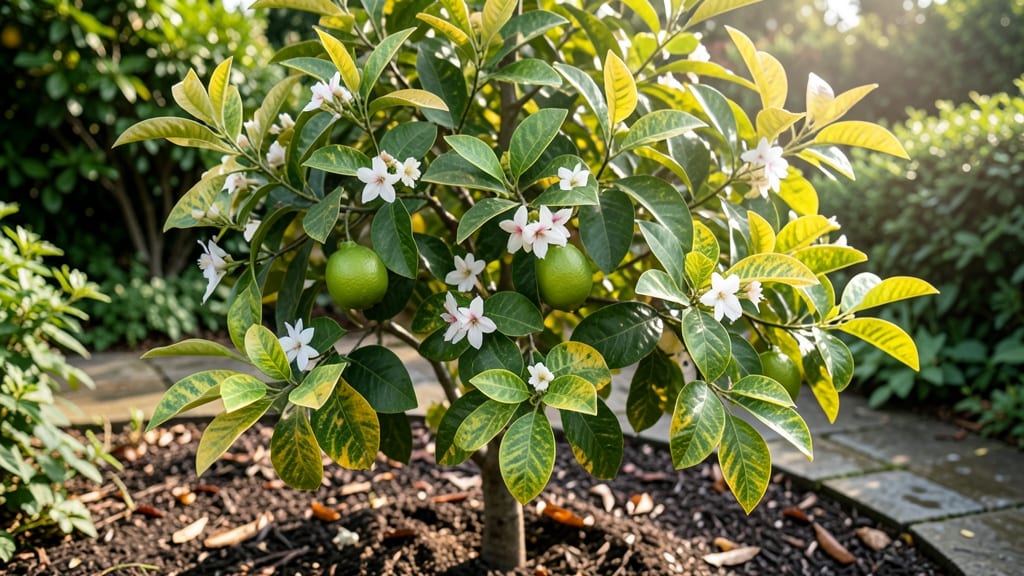
Your lemon tree’s yellow leaves with green veins aren’t a death sentence—they’re a cry for help. 🌿 I’ve nursed back more than a few citrus trees with this exact problem, and the fix is simpler than you’d think. The good news?
You’re likely dealing with a nutrient deficiency (usually iron), not a disease or pest. Start by checking the soil pH—citrus trees need slightly acidic soil (around 6.0-7.0). If it’s too alkaline, iron becomes locked away. A quick soil test kit (or even a DIY vinegar-and-baking-soda test) reveals the truth.
Once you confirm the pH, we’ll tackle the deficiency with organic solutions that work faster than you’d expect. Within 2-4 weeks of treatment, you’ll see those veins turn a deeper green and the yellowing slow down.
The leaves won’t magically revert overnight, but with consistent care, your tree will bounce back—producing sweeter lemons and lusher foliage by next season. Here’s exactly how to diagnose and fix it.
Overwatering or poor drainage can mimic nutrient issues, so don’t skip this step: stick your finger 2 inches into the soil. If it’s soggy, cut back on watering and ensure your pot has drainage holes.
Yellowing leaves paired with dry soil? That’s a different problem entirely—likely salt buildup from tap water or fertilizer burn. The real game-changer is chelated iron, applied as a foliar spray or soil drench. I’ve seen dramatic improvements in just 10 days with this method.
For organic gardeners, fish emulsion or compost tea works too—just be patient. The key is consistency; one treatment won’t fix years of neglect.
Prevention is easier than rescue. Flush the soil every 3-4 months with rainwater (or distilled water if you’re in a hard-water area) to prevent salt buildup.
And here’s the secret weapon: mulch. A 2-inch layer of organic mulch keeps roots cool, retains moisture, and slowly releases nutrients back into the soil.
If the yellowing spreads to new growth and you see black spots or mold, it’s time to call in a pro. Fungal issues like root rot or sooty mold need targeted care—don’t wait until your tree looks like a science experiment.
Most home gardeners never reach this point, but knowing the difference saves time (and trees).
Why it happens
When your lemon tree’s leaves turn a striking shade of yellow with stubborn green veins, it’s often a cry for help from the plant itself. This classic symptom—known as chlorosis—happens when the tree can’t efficiently produce chlorophyll, the green pigment responsible for photosynthesis.
While the veins stay green (since they’re packed with vascular tissue), the rest of the leaf starves for nutrients. Let’s break down the most common causes, why they happen, and how to identify them before they worsen.
🌱 Nutrient Deficiencies: The Silent Starvers
The most frequent trigger for yellow leaves with green veins is a lack of essential nutrients, particularly those that help chlorophyll formation. Here’s what’s likely missing and why:
- Iron (Fe): The most common deficiency in lemon trees, especially in alkaline soils (pH > 7.0). Iron is crucial for chlorophyll production, and when it’s locked out of the tree’s reach, new leaves turn yellow first. Older leaves may stay green longer because they’ve already stored iron, while younger leaves show symptoms first. Think of it like a slow-motion robbery—iron is being siphoned away before it can do its job.
- Manganese (Mn) & Zinc (Zn): These micronutrients team up with iron to keep chlorophyll happy. A deficiency often mimics iron chlorosis but may appear as interveinal yellowing with brown spots or stunted growth. Manganese issues are more common in cold, wet soils, while zinc struggles in highly calcareous or compacted soil.
- Magnesium (Mg): While magnesium deficiencies usually cause yellowing between veins starting on older leaves, severe cases can look similar. Magnesium is a building block of chlorophyll, so its absence disrupts photosynthesis. Pro tip: If the edges of leaves turn yellow first, magnesium is likely the culprit.
How to confirm: Conduct a soil test (especially for pH and micronutrient levels) or use a leaf tissue test for precise deficiencies. For a quick DIY check, scrape a tiny bit of soil from the root zone—if it’s white or chalky, it’s likely alkaline and blocking iron.
💧 Watering Woes: Too Much or Too Little
Lemon trees despise soggy feet or thirsty roots, and both extremes can trigger chlorosis. Here’s how:
- Overwatering: Root rot (caused by Phytophthora or Pythium fungi) suffocates roots, preventing nutrient and water uptake. The tree can’t access iron or oxygen, leading to yellowing. Check for: Mushy, dark roots; leaves that yellow even at the base; and soil that smells like rotten eggs.
- Underwatering: While less common, chronic drought stresses the tree, causing it to transpire nutrients faster than it can absorb them. The result? Yellowing leaves with green veins, often paired with crispy edges or wilting.
- Poor Drainage: Even if you’re watering correctly, clay-heavy or compacted soil can trap water around roots, mimicking overwatering. Lemon trees need well-draining soil—think sandy loam with organic matter.
Actionable fix: Let the top 2–3 inches of soil dry out between waterings, and ensure pots have drainage holes. For in-ground trees, amend soil with perlite or compost to improve aeration.
🌍 Soil pH Imbalance: Locked-Out Nutrients
Lemon trees thrive in slightly acidic to neutral soil (pH 6.0–7.0). When pH strays above 7.0 (alkaline), iron, manganese, and zinc become unavailable—even if they’re present in the soil. This is the #1 reason for yellow leaves with green veins in many regions.
Why it happens:
- Alkaline soil (high pH) causes iron to bind to calcium and magnesium, forming insoluble compounds the tree can’t access.
- Lime or wood ash in the soil raises pH over time, worsening the problem.
- Older trees in the same spot for years may deplete micronutrients, making chlorosis worse.
Quick test: Use a pH test kit (or vinegar/baking soda test for a rough estimate). If pH is above 7.0, your lemon tree is fighting an uphill battle for iron.
🐛 Pest or Disease Pressure: Hidden Saboteurs
While less common, root-feeding pests or soil-borne diseases can disrupt nutrient uptake, leading to chlorosis. Suspect these if:
- Root-knot nematodes: These microscopic worms damage roots, reducing the tree’s ability to absorb water and nutrients. Look for galls (lumpy roots) if you dig carefully.
- Fungal root rot: Armillaria or Fusarium fungi can decay roots, causing yellowing even with proper watering. Common in overwatered or stressed trees.
- Aphids or spider mites: While these pests usually target leaves, a severe infestation can sap the tree’s energy, indirectly causing nutrient deficiencies.
Signs to watch for: Stunted growth, yellowing that spreads to stems, or unusual wilting despite moist soil. If you suspect pests, check the underside of leaves for webbing or tiny insects.
🌿 Environmental Stress: Heat, Cold, or Shade Shock
Lemon trees are tropical natives and struggle with extreme conditions. While chlorosis isn’t their first response, prolonged stress can disrupt nutrient transport, leading to yellowing:
- Heat stress: High temperatures (>90°F/32°C) increase transpiration, causing the tree to lose nutrients faster than it can replenish them. Think of it like a plant sweating out its savings.
- Cold damage: Temperatures below 25°F (-4°C) can injure roots or leaves, impairing nutrient uptake. Young trees are most vulnerable.
- Shade deficiency: Lemon trees need 6–8 hours of sunlight daily. Too little light slows photosynthesis, causing the tree to recycle nutrients inefficiently and show chlorosis on new growth.
Solution: Move potted trees to a protected spot in extreme weather, and ensure dappled shade (not full shade) if growing indoors. Use mulch to regulate soil temperature.
Revive Your Lemon Tree Naturally
Now that you know the likely causes behind your lemon tree’s yellowing leaves with green veins, it’s time to take action! The good news is that most of these issues are fixable with targeted care.
Below, we’ve mapped out practical, step-by-step solutions for each common cause—plus prevention tips to keep your tree thriving long-term.
If your lemon tree is suffering from iron, zinc, or magnesium deficiency, the solution starts with soil and fertilizer adjustments. Here’s how to correct each one:
🔥 Iron Chlorosis (Yellow Leaves, Green Veins) – Fix It Fast Cause: Poor iron uptake, often due to alkaline soil or compacted roots. Solution: 1. Test Your Soil 📊 – Use a home soil test kit to check pH. If it’s above 7.0, your tree can’t absorb iron.
- Lower the pH 🌡️ – - Mix sulfur or peat moss into the top 6 inches of soil (follow package rates). - Water with citric acid (1 tbsp per gallon of water) every 2 weeks for 2 months.
- Apply Iron Supplements ✨ – - Iron chelate (liquid or granular) is the fastest fix. Follow label instructions for dosage. - For severe cases, inject iron directly into the soil with a long spoon or trowel.
- Improve Drainage 💧 – - Amend soil with perlite or sand to prevent waterlogging, which worsens iron uptake.
💡 Pro Tip: If your tree is in a container, repot it into a larger pot with acidic, well-draining potting mix (like one formulated for citrus trees).
🍳 Magnesium Deficiency (Yellow Spots Between Veins) – Boost the Soil Cause: Over-fertilization with nitrogen or poor soil structure. Solution: 1. Use Epsom Salt 🧂 – - Dissolve 1 tbsp of Epsom salt (magnesium sulfate) in 1 gallon of water. - Water the tree at the base (not the leaves) every 2 weeks until new growth appears.
- Switch to a Balanced Fertilizer 🌿 – - Stop using high-nitrogen fertilizers (like lawn fertilizers). - Switch to a citrus-specific fertilizer (e.g., 6-6-6 or 8-3-9 NPK ratio) with micronutrients.
- Top-Dress with Compost 🌱 – - Spread 1-2 inches of compost around the root zone and lightly water it in.
⚠️ Warning: Avoid overdoing Epsom salt—too much can cause salt buildup in the soil.
👨🍳 Zinc Deficiency (Stunted Growth + Yellowing) – A Quick Rescue Cause: Often linked to calcium imbalance or soil compaction. Solution: 1. Apply Zinc Sulfate 🔥 – - Mix 1 tsp of zinc sulfate per gallon of water and water the soil (not leaves). - Repeat every 4-6 weeks until leaves recover.
- Check Calcium Levels 📉 – - If your soil is too alkaline, add gypsum (calcium sulfate) to improve zinc absorption.
- Aerate Compacted Soil 🏗️ – - Loosen the top 6 inches of soil with a garden fork to help roots access nutrients.
If overwatering, underwatering, or pests are to blame, these fixes will restore balance:
🥘 Overwatering or Poor Drainage – Save the Roots Symptoms: Yellowing leaves, mushy stems, or root rot smell. Solution: 1. Let the Soil Dry Out ⏰ – - Stick your finger 2 inches into the soil—if it’s damp, wait before watering. - Water only when the top 1-2 inches are dry.
- Improve Drainage 🚿 – - If in a pot, add drainage holes if missing. - Mix perlite or orchid bark into the soil to prevent compaction.
- Repot if Necessary 🏡 – - If root rot is severe, trim black/mushy roots, repot in fresh, well-draining soil, and reduce watering.
💡 Pro Tip: Mulch around the base (but not touching the trunk) to retain moisture without suffocating roots.
🔪 Pest Infestation (Aphids, Spider Mites, Scale) – Kick Them Out Signs: Sticky leaves, webbing, or tiny bugs on undersides. Solution: 1. Blast Off Pests 💦 – - Spray leaves with soapy water (1 tsp mild dish soap + 1 quart water). - Repeat every 3-5 days until pests vanish.
- Use Neem Oil 🌿 – - Mix 1 tbsp neem oil + 1 tsp mild soap per quart of water. - Spray early morning or late evening to avoid burning leaves.
- Introduce Beneficial Insects 🐞 – - Release ladybugs or lacewings (available at garden centers) to eat pests naturally.
✨ Prevention: Inspect new plants before bringing them home and quarantine them for a week.
Once your lemon tree is back on track, keep these habits to avoid future yellowing:
- 📅 Fertilize Seasonally – Feed every 2 months in spring/summer with a citrus fertilizer, but stop in fall/winter.
- 💧 Water Deeply but Infrequently – Drought stress is just as harmful as overwatering.
- 🌿 Prune for Airflow – Trim crowded branches to reduce humidity (which attracts pests).
- 🌍 Test Soil Annually – Keep pH between 6.0-7.0 for optimal nutrient uptake.
🎯 Final Thought: Most lemon trees bounce back quickly with the right care—patience is key! Monitor progress over 4-6 weeks, and don’t hesitate to adjust treatments if needed. Your tree will be lush and fruiting in no time. 🍋✨
Frequently asked questions
Why do lemon tree leaves turn yellow but keep green veins?
This classic symptom is called chlorosis, usually caused by an iron deficiency when soil pH is too high (above 7.0). The veins stay green because they contain vascular tissue that transports nutrients, while the leaf tissue starves for chlorophyll. Other micronutrient deficiencies like manganese or zinc can cause similar patterns.
How quickly can I expect to see improvement after treating iron deficiency?
With proper treatment (like iron chelate or soil pH adjustment), you should notice new leaves developing with darker green veins within 2-4 weeks. However, older yellow leaves won't revert to green—they'll simply fall off naturally as the tree focuses energy on new growth. Consistency is key for long-term recovery.
Can I use vinegar to lower my lemon tree's soil pH?
White vinegar (acetic acid) can temporarily lower pH, but it's not recommended for citrus trees. A safer approach is to use elemental sulfur or peat moss mixed into the soil. For a quick fix, water with citric acid solution (1 tbsp per gallon) every 2 weeks for 2 months—it's gentler and more effective than vinegar.
What's the difference between yellow leaves from iron deficiency vs. overwatering?
Iron deficiency causes interveinal yellowing (green veins) starting on new growth, while overwatering leads to general yellowing (including veins) and often affects older leaves first. Check the roots—if they're mushy and dark, it's overwatering; if they're dry and roots are healthy, it's likely a nutrient issue.
Will my lemon tree produce fruit if it has yellow leaves?
While your tree can still produce lemons, severe chlorosis (especially from iron deficiency) reduces photosynthesis, which means smaller, less flavorful fruit and potentially fewer lemons. Fixing the nutrient issue will improve fruit quality and quantity. Focus on treating the deficiency first—healthy leaves come before abundant harvests.