
Light Requirements
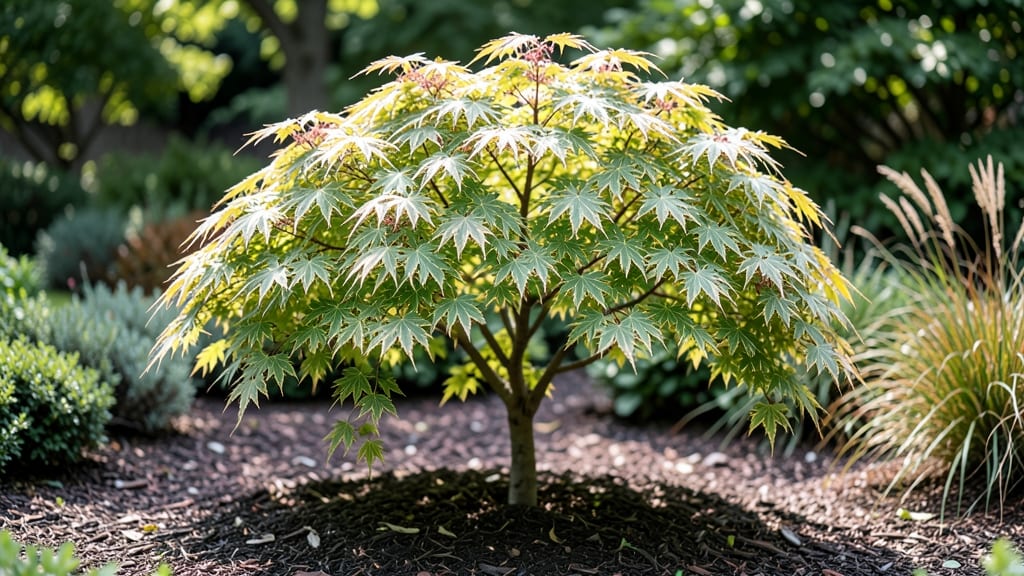
That year-round contrast of dark and light green leaves transforms any garden into a living painting. 🌿 I’ve spent years hunting for trees that bring this dramatic effect—like the Dracaena marginata with its striking black-and-green stripes or the Ginkgo biloba ‘Variegata’ that glows like candlelight in winter.
These aren’t just trees; they’re the backbone of a garden that feels alive in every season. The magic happens when you pair them with silver-leaved perennials or deep purple foliage—suddenly, your space pops with texture and color.
They thrive in full sun to partial shade, making them versatile for almost any yard. Just avoid heavy pruning, or you’ll lose that variegation you love so much.
Imagine a focal point under your kitchen window where the light catches the leaves just right, or a shady corner that feels like a secret garden. These trees grow slowly but reward you with bold, long-lasting drama—no seasonal replanting needed.
Whether you’re working with a small urban yard or a sprawling landscape, these trees adapt. The key is picking the right species for your climate and giving them space to show off their striking, two-tone beauty. Let’s get started!
📚 In This Guide
- What you need
- Instructions
- Tips and common mistakes
- Wrapping up and next steps
What you need
- ● Tree sapling or seedling: 1 mature or young tree (check local nurseries for variegated or contrasting foliage types like Ginkgo, Sweetgum, or Japanese Maple)
- ○ Optional: Pre-planted container tree (5–15 gallons, depending on size)
- ● Planting site: Full sun to partial shade (6+ hours of light for most varieties)
- ● Well-draining soil (amend with compost if needed)
- ● Space for mature growth (check species-specific requirements—some reach 30+ feet!)
- ● Tools: Shovel or trowel (for digging)
- ● Garden gloves (to protect your hands)
- ● Watering can or hose (with adjustable nozzle)
- ○ Optional: Mulch (2–3 inches of organic mulch for moisture retention)
- ● 🌡️ Test your soil: A pH of 6.0–7.5 works for most trees—adjust with lime or sulfur if needed.
- ● ✨ Choose wisely: Some trees (like Sweetgum) have spiky seed pods—plan for cleanup!
- ● 🔥 Water deeply: First 2 weeks after planting are critical for root establishment.
How to plant and care for a variegated tree for year-round visual impact
This stunning foliage combo thrives with just a few key care steps.
🪴 Step 1: Select the Right Spot for Sunlight and Soil
Choose a location with 4-6 hours of morning sun and afternoon shade—this protects the delicate light-green leaves from scorching while giving them enough light to maintain their striking pattern. I always test the spot first by placing a plant there for a full day to see how it reacts.
For soil, mix equal parts garden soil and compost—this creates loose, well-draining earth that prevents root rot, which is especially critical for variegated trees with sensitive foliage. Amend heavy clay soil with 2-3 inches of organic matter before planting. The ideal soil should crumble easily when squeezed but still hold its shape.
🌱 Step 2: Plant Your Tree at the Correct Depth and Stake for Support
Dig a hole twice as wide as the root ball but only as deep as the container it came in. Gently remove the tree from its pot and loosen any circling roots with your fingers—this encourages outward growth instead of root binding. Place the tree in the hole so the top of the root ball sits 1 inch below ground level—this prevents stem rot from sitting water.
Fill the hole with soil, pressing lightly around the edges to remove air pockets. Water deeply to settle the soil, then add a 5-foot stake positioned 3-4 inches away from the trunk. Secure the tree with a soft tie (never wire) to prevent trunk damage as it grows. The stake should support the tree for 6-12 months until its root system stabilizes.
☀️ Step 3: Water Deeply and Maintain Consistent Moisture
Water once a week during the first growing season, delivering 1-2 gallons per tree depending on its size. The goal is to moisten the soil 12 inches deep—this encourages deep root growth. You'll know you've watered enough when excess water drains from the bottom of the hole. After the first year, reduce watering to every 10-14 days once established.
Mulch around the base with 2-3 inches of shredded bark, keeping it 6 inches away from the trunk to prevent moisture buildup. The mulch will slowly break down, improving soil structure and retaining moisture. Check soil moisture by sticking your finger 2 inches deep—if it feels dry, it's time to water.
✂️ Step 4: Prune for Shape and Health in Late Winter
Prune just after the last frost but before new growth begins. Remove any dead, diseased, or crossing branches first—these compete with healthy growth and can spread problems. Cut back to a healthy outward-facing bud just above where branches naturally grow. Use clean, sharp pruners to make cuts at a 45-degree angle about 1/4 inch above the bud.
Shape the tree by thinning out 10-20% of the canopy to improve airflow and light penetration. This prevents fungal issues and ensures the variegated leaves get enough sunlight to maintain their pattern. Avoid heavy pruning—this can stress the tree and reduce its striking contrast. After pruning, apply a balanced fertilizer (10-10-10) to support new growth.
🌿 Step 5: Monitor for Pests and Adjust Care Seasonally
Variegated trees are prone to aphids and spider mites, which thrive on the tender new growth. Inspect leaves weekly during warm months, looking for sticky residue (aphids) or fine webbing (spider mites). Treat infestations immediately with neem oil or a soapy water spray—both are safe for foliage and effective at stopping pests before they spread.
In winter, reduce watering to once every 3-4 weeks unless temperatures drop below 20°F, in which case you may need to wrap the trunk with burlap to protect it. The variegated leaves are more sensitive to cold, so avoid planting in exposed areas where wind can dry them out. With consistent care, your tree will maintain its dramatic contrast year after year.
Tips & tricks for perfect variegated tree care
These simple strategies will help your striking foliage thrive year after year.
Light Balance: That 4-6 hours of morning sun is non-negotiable for maintaining the vibrant contrast between dark and light green leaves. I've found the best spot is near a south-facing window or patio where the tree gets gentle morning rays but escapes harsh afternoon sun. If you notice the light green areas turning yellow, it's getting too much sun—move it to a shadier location immediately. The afternoon shade protects the delicate variegation from scorching while still allowing enough light for photosynthesis.
Soil Preparation Secret: Don't just mix garden soil and compost—think about the texture. The ideal blend should be light enough to crumble between your fingers but still hold its shape when squeezed. For heavy clay soil, those 2-3 inches of organic matter are crucial. I like to add perlite or coarse sand to improve drainage, especially in containers. Poor drainage is the #1 reason variegated trees develop root rot and lose their striking pattern.
Staking Strategy: That 5-foot stake positioned 3-4 inches from the trunk isn't just for show—it's about creating the right angle. The stake should support the tree without touching the trunk, and the soft tie should be loose enough to allow the tree to sway slightly in the wind. This movement actually strengthens the trunk. I check the ties every 6 months and adjust as the trunk grows thicker. Too-tight ties can girdle the tree and cause permanent damage.
Winter Protection: When temperatures drop below 20°F, those variegated leaves become extra vulnerable. I've learned the hard way that wrapping the trunk with burlap isn't just about the trunk—it also protects the lower branches. For young trees, consider wrapping the entire plant in burlap or using frost cloth. The key is to prevent windburn on the delicate foliage while still allowing some airflow. Don't forget to remove the protection once temperatures rise above freezing to prevent moisture buildup.
Pro Tips for Tree With Dark And Light Green Leaves
- These simple strategies will help your striking foliage thrive year after year.
- Light Balance: That 4-6 hours of morning sun is non-negotiable for maintaining the vibrant contrast between dark and ...
- Soil Preparation Secret: Don't just mix garden soil and compost—think about the texture. The ideal blend should be li...
Frequently asked questions
Got questions about those stunning trees with dark and light green leaves? You’re not alone! Here are some of the most common queries—and their answers—to help you pick, care for, or troubleshoot your leafy star.
Why do some trees have leaves with two shades of green?
Many trees exhibit variegation—a natural genetic trait where leaves develop patches of lighter green (often yellow or white) due to reduced chlorophyll. This occurs when leaf cells produce less pigment, creating a striking contrast. Some varieties, like Japanese maples or variegated hollies, are bred for this effect, while others, like dogwoods, show it naturally for seasonal drama.
Do these trees need full sun to keep their colors vibrant?
Most dark-and-light green leafed trees thrive in partial shade to full sun, but light exposure affects their vibrancy. Trees like variegated boxwoods or emerald green arborvitae may revert to solid green in deep shade. Aim for 4–6 hours of sunlight daily for bold contrast. Overly shady spots can dull the lighter patches, while harsh afternoon sun might scorch delicate foliage.
Can I plant a tree with variegated leaves in my small yard?
Many compact varieties fit tight spaces beautifully. Consider dwarf Japanese maples (e.g., ‘Bloodgood’ or ‘Shishigashira’) or miniature variegated hollies like ‘Sky Pencil.’ These stay under 6–10 feet tall and add texture without overwhelming your garden. Just ensure they have adequate root space—check the mature width before planting!
My tree’s light green leaves are turning brown—what’s wrong?
Brown variegated leaves often signal stress, usually from overwatering, underwatering, or nutrient deficiencies. Check the soil moisture—it should be evenly damp but not soggy. Yellow-brown edges may mean underwatering or salt buildup, while mushy stems suggest root rot. Feed with a balanced fertilizer in spring to boost chlorophyll production and keep colors lively.
Are there evergreen options with dark and light green leaves?
Yes! If you love year-round contrast, try variegated arborvitae (e.g., ‘Emerald Gaiety’) or holly varieties like ‘Annabelle’ or ‘Golden Milk.’ These retain their striking patterns through winter. For a bold statement, dwarf variegated cedars (e.g., ‘Blue Swede’) offer a mix of green and blue-gray hues. Just note that evergreens with heavy variegation may grow slightly slower than solid-green counterparts.
Still stumped? Drop your tree’s name in the comments—we’ll help diagnose!
Wrapping up and next steps
Discovering the perfect tree with dark and light green leaves can transform your garden into a year-round masterpiece of contrast and texture. These stunning varieties thrive with the right light, soil, and care—offering drama from spring through winter.
Whether you’re drawn to the bold foliage of Ginkgo biloba or the delicate variegation of Celtis australis ‘Crimson Spire’, the key is matching their needs to your space.
Ready to elevate your outdoor oasis? Start small: research your climate, pick a tree that fits your light conditions, and plant with confidence. With a little patience, you’ll enjoy a garden that’s as vibrant as it is effortless! 🌿✨