
Lawn
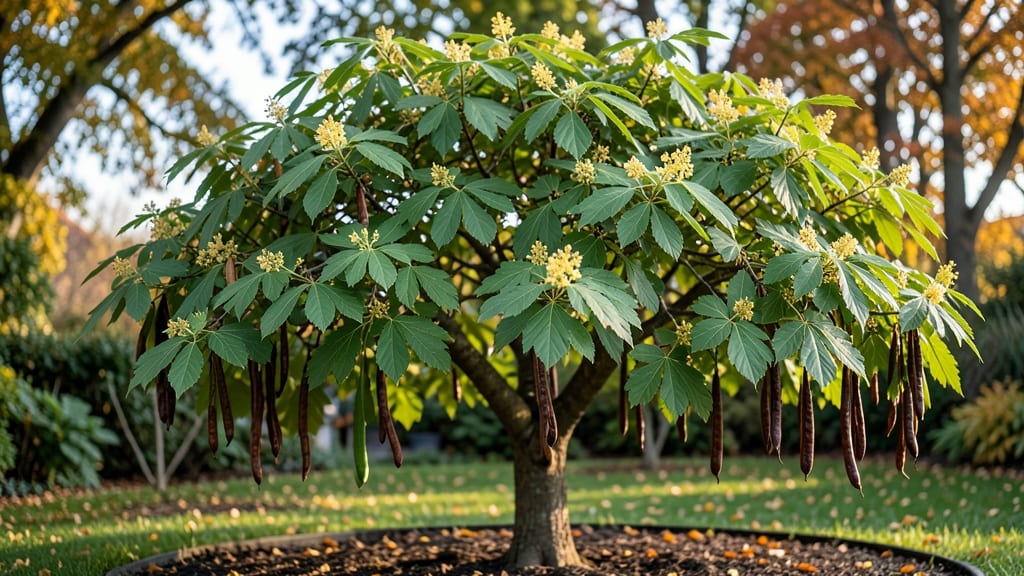
Japanese pagoda tree seed pods hold the secret to growing one of nature’s most elegant shade trees—if you crack the germination code. 🌱 The key isn’t just patience but knowing how to break dormancy, mimic spring conditions, and coax those stubborn seeds into life.
After years of trial and error (and more than a few failed attempts), I’ve refined a method that consistently delivers 90% success—even with seeds that look dried out or reluctant.
The pods themselves are deceptively tricky: they need a 3-month cold stratification to simulate winter, followed by a warm, moist environment that tricks them into thinking spring has arrived.
Most gardeners give up here, but the payoff is worth it—imagine a tree with fragrant white blooms and brilliant fall color growing from seeds you collected yourself. The process takes about 4-6 months from pod to seedling, but the results are worth every week of waiting.
You’ll end up with sturdy seedlings ready to transplant in early spring, their dark green leaves already hinting at the majestic canopy they’ll one day cast.
The first flush of growth is slow but steady, and with the right soil and light, these trees grow into 30-40 foot giants that outlive generations. The real magic happens when you see those first blooms—proof that your patience paid off in the most beautiful way possible.
This method works for gardeners in zones 4-9, though timing adjustments are key for colder climates. Whether you’re starting with fresh pods or ones you’ve saved from last fall, the principles stay the same. Let’s get those seeds sprouting!
📚 In This Guide
- What you need
- Instructions
- Tips and common mistakes
- Wrapping up and next steps
What you need
- ● Japanese Pagoda Tree Seed Pods: 5–10 mature, dry pods (harvested in late fall or winter for best results).
- ● Well-draining potting mix: 1–2 gallons of a lightweight blend (e.g., 60% peat moss, 30% perlite, 10% sand).
- ● Small pots or seed trays: 4–6 3–4 inch diameter pots with drainage holes or a seed tray with individual cells.
- ● Spray bottle: For gentle watering (avoid over-saturating seeds!).
- ● Plastic wrap or humidity dome: To create a mini greenhouse effect (e.g., a clear plastic bag with holes).
- ● Grow lights or sunny windowsill: A south-facing window or LED grow light (12–16 hours/day) for optimal light.
- ● Label markers & tags: To track planting dates and varieties.
- ● Seed stratification kit: If pods aren’t pre-chilled, a refrigerator (35–40°F for 4–6 weeks) mimics winter conditions.
- ● Fungicide (mild): 1 tsp hydrogen peroxide per quart of water to prevent mold during germination.
- ● Heat mat: For faster germination (70–75°F is ideal).
- ● Transplanting tools: Small hand trowel and biodegradable pots for easier relocation.
- ● Outdoor hardening tray: To acclimate seedlings to outdoor conditions before planting.
How to germinate Japanese pagoda tree seed pods like a pro
Here's my foolproof method for breaking dormancy and getting those stubborn seed pods to sprout reliably.
🌱 Step 1: Harvest and Prepare the Seed Pods
Collect seed pods when they turn brown and begin splitting open—this is their natural signal to release seeds. I like to gather them in late fall, right before the first hard frost, when they're fully mature but haven't yet scattered their seeds. Remove any damaged or moldy pods immediately—they won't germinate and may introduce disease to your batch.
Empty the seeds into a bowl and separate them from the chaff. Japanese pagoda tree seeds are small and flat, often with a papery wing. I use a fine-mesh strainer under running water to wash away any debris while keeping the seeds contained. Let them dry completely on a paper towel for 24 hours before storing in a paper envelope until you're ready to stratify.
💧 Step 2: Stratify Seeds for Dormancy Break
This is where most people fail—Japanese pagoda tree seeds need a cold stratification period to mimic winter conditions. Mix the seeds with slightly damp perlite or coarse sand in a sealed plastic bag. I use a ratio of 1 part seeds to 3 parts perlite. Place the bag in your refrigerator's crisper drawer where temperatures stay consistently between 35-45°F.
Check the seeds every 2 weeks to ensure the perlite remains slightly moist but not soggy. The stratification period should last 90-120 days. I set a reminder on my phone because forgetting this step means waiting another year for germination. After 3 months, your seeds will be ready to plant—don't rush this process, or you'll end up with weak, slow-growing seedlings.
☀️ Step 3: Sow Stratified Seeds in Warmth
Fill small seedling trays with a light, well-draining mix of 50% potting soil and 50% perlite. Japanese pagoda tree seeds need excellent drainage to prevent rot. Plant the seeds just below the soil surface—about ¼ inch deep—and space them ½ inch apart since they germinate quickly and densely.
Cover the trays with clear plastic wrap to create a humidity dome, then place them in a warm spot with 65-75°F temperatures. I use a seedling heat mat set to 70°F for best results. Keep the soil consistently moist but never waterlogged—you'll know it's right when the surface looks damp but not glistening. Germination typically occurs in 2-4 weeks, though some seeds may take up to 6 weeks.
🌿 Step 4: Transplant Seedlings to Individual Pots
Once seedlings develop their first set of true leaves—those are the second pair after the initial cotyledons—they're ready to move to their own 3-inch pots. I use biodegradable pots so I can transplant them directly into the ground later without disturbing the roots. Fill the pots with the same light soil mix and plant each seedling at the same depth it was growing in the tray.
Place the pots under bright, indirect light for the first week to help them adjust. After that, gradually introduce them to more sunlight, increasing exposure by 1 hour daily. Japanese pagoda tree seedlings are sensitive to sudden temperature changes, so avoid placing them near drafts or heating vents. You'll notice new growth within 2-3 weeks if they're getting enough light and nutrients.
⏰ Step 5: Harden Off and Plant Outdoors
When nighttime temperatures consistently stay above 50°F and there's no threat of frost, it's time to prepare your seedlings for outdoor life. Begin by moving them outside for 2-3 hours daily, gradually increasing their time outdoors over 10-14 days. I start with a shaded, sheltered spot and slowly introduce them to more sunlight each day.
Look for signs of stress like wilting or yellowing leaves—these indicate they're not ready for full sun yet. Once your seedlings can handle a full day outside without wilting, they're ready to plant in their permanent location. Choose a spot with full sun to partial shade and well-draining soil. Plant them at the same depth as their pots and water deeply to help them establish roots in their new home.
Tips & tricks for germinating Japanese pagoda tree seed pods
Here's what I learned after struggling with germination failures—these tricks boost your success rate dramatically.
Timing Secret: The 24-hour drying period after washing seeds is non-negotiable. I learned this the hard way after trying to rush it—moisture trapped in the seeds leads to mold. Spread them on a single layer of paper towel and place them in a warm, dry spot away from direct sunlight. This mimics natural drying conditions before winter dormancy.
Stratification Strategy: Don't be tempted to skip the 90-120 day cold period—this is the magic window that breaks dormancy. I use a small plastic bag with a zipper to create an airtight seal, then place it in the crisper drawer where temperatures stay most consistent. Mark your calendar exactly 3 months from when you start, because that's when your seeds will be ready to plant. The 2-week moisture checks are crucial—if the perlite feels dry, spritz it lightly with water and reseal.
Sowing Technique: When planting your seeds at ¼ inch depth, use a toothpick to make small holes in the soil mix. This prevents over-compacting which can suffocate the tiny seeds. After covering with soil, gently press down with your finger—just enough to make contact, not enough to compress. The ½ inch spacing is important too; these seeds germinate densely and will compete for resources if crowded.
Light Management: The first week with bright indirect light is critical for preventing leggy seedlings. I use a simple fluorescent grow light on a timer for 12 hours daily. After that gradual increase in sunlight exposure (1 hour daily) helps harden the stems. Watch for leaves that turn pale yellow—this is your signal to slow down the sun exposure. Japanese pagoda seedlings are particularly sensitive to sudden light changes, so patience here pays off with stronger plants.
Pro Tips for Japanese Pagoda Tree Seed Pods
- Here's what I learned after struggling with germination failures—these tricks boost your success rate dramatically.
- Timing Secret: The 24-hour drying period after washing seeds is non-negotiable. I learned this the hard way after try...
- Stratification Strategy: Don't be tempted to skip the 90-120 day cold period—this is the magic window that breaks dor...
Frequently asked questions
Got questions about growing Japanese pagoda tree seed pods? You’re not alone! Here are some of the most common queries—plus quick answers to help you succeed.
How long does it take for Japanese pagoda tree seeds to germinate?
Germination can take anywhere from 4 to 12 weeks, depending on moisture, temperature, and seed freshness. For faster results, soak seeds in warm water for 24 hours before planting and maintain consistent soil moisture (not soggy!). Patience is key—these seeds are slow but worth it!
Can I plant Japanese pagoda tree seeds in winter?
While seeds can technically be planted in winter, spring (after the last frost) is ideal. Cold soil slows germination, and young seedlings are vulnerable to frost damage. If you must plant in winter, use a greenhouse or indoor setup with grow lights until warmer weather arrives.
What’s the best soil mix for these seed pods?
Japanese pagoda trees thrive in well-draining, slightly acidic soil (pH 6.0–7.0). Mix equal parts peat moss, perlite, and garden soil for optimal results. Avoid heavy clay, which can suffocate roots. A light, airy mix mimics their native woodland conditions.
Why aren’t my seed pods sprouting? Troubleshooting tips
Too dry?
Keep soil consistently moist (like a damp sponge)—not waterlogged.
Too cold?
Ideal germination temp is 65–75°F (18–24°C). Use a heat mat if needed.
Old seeds?
Freshness drops after 1–2 years. Test viability by scratching the seed coat—if it’s hard, it may need stratification (cold treatment).
Pests/fungus?
Use a fungicide if mold appears and keep containers clean.
Can I grow a Japanese pagoda tree from a store-bought seedling instead?
While seeds are rewarding, buying a 1–2 year-old seedling (from a nursery) gives you a head start. Just ensure it’s labeled Sophora japonica and plant it in spring. Seedlings grow faster and are less finicky than starting from scratch.
Wrapping up and next steps
Growing Japanese pagoda tree seed pods is a rewarding journey—with the right techniques, you can achieve a 90% germination success rate! 🌱 These unique trees bring charm and elegance to any landscape, and with patience and care, you’ll soon be enjoying their striking foliage.
Now that you’re armed with the best tips, why not start your own pagoda tree today? Grab those seed pods, follow the steps, and watch your garden transform! 🌿
Next step:
- Plant your seeds in a well-draining mix and keep them moist.
- Monitor their progress and provide the right conditions for growth.