
How To
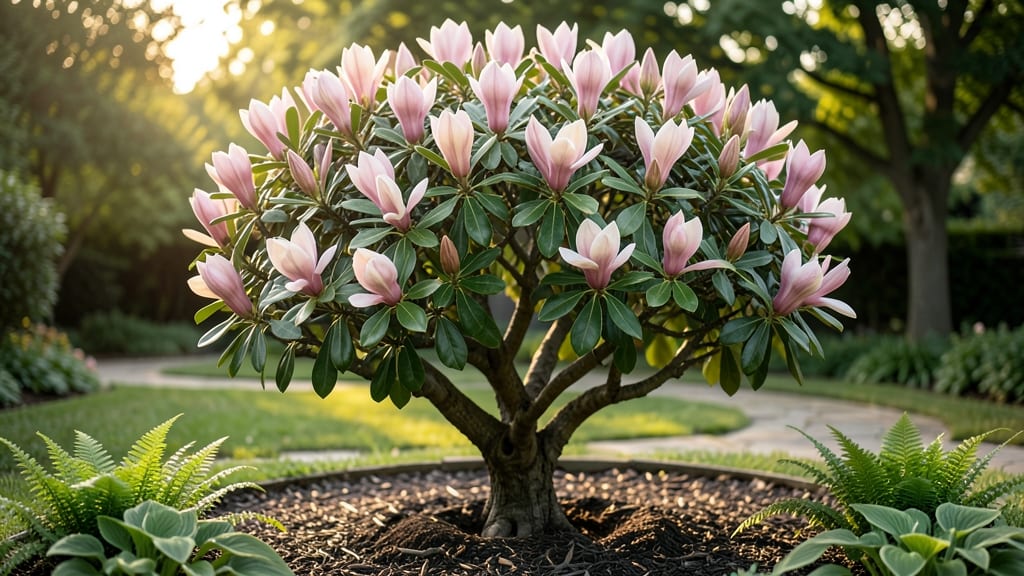
A magnolia tree grows anywhere from 10 feet to towering 80 feet tall, depending on the species you choose — and picking the right one for your yard could save you years of regret.
Picture this: You plant a fast-growing 🌳 magnolia in your front yard, only to realize in five years that it’s now a 40-foot giant blocking your driveway. Or worse, you cram a dwarf variety into a tight corner, and it outgrows its space before you know it.
The good news? With the right variety and a little planning, you can have the perfect magnolia for your space without the headaches.
Some magnolias, like the Magnolia stellata, stay modest at 15-20 feet tall, making them ideal for small yards or urban gardens. Others, like the Magnolia grandiflora, can reach 60-80 feet — think redwoods of the tree world.
Knowing these differences upfront helps you avoid common mistakes, like planting too close to power lines or fences.
In this guide, I’ll break down the fastest-growing varieties, spacing rules to keep your tree happy (and your neighbors friendly), and pruning tips to control height naturally. Whether you’re a beginner or a seasoned gardener, you’ll leave here with the confidence to pick the perfect magnolia for your landscape.


Magnolia tree height guide: fastest-growing varieties and their mature sizes
Magnolias are among the most stunning trees for any landscape, but their height can vary dramatically—from dwarf varieties under 10 feet to giant species reaching 80 feet. If you're planning your garden layout, knowing these differences is essential to avoid outgrowing your space.
I've grown several magnolia varieties myself, and the fastest-growing types can add impressive height in just a few years.
Before selecting a magnolia, consider your yard size and climate zone. Some varieties thrive in USDA zones 4-7, while others prefer warmer regions. For example, Southern magnolias love humidity, while star magnolias adapt better to cooler climates.
Let's explore the height ranges and growth rates of the most popular varieties to help you make an informed decision.
| Variety | Mature Height | Growth Rate | USDA Zones | Best For |
|---|---|---|---|---|
| Dwarf Yulan (Magnolia soulangeana 'Dwarf Yulan') | 10-15 ft | Slow (1-2 ft/year) | 5-9 | Small yards, containers |
| Little Gem (Magnolia grandiflora 'Little Gem') | 20-25 ft | Moderate (2-3 ft/year) | 6-10 | Urban landscapes |
| Star Magnolia (Magnolia stellata) | 15-25 ft | Fast (3-4 ft/year) | 4-8 | Early blooms, small spaces |
| Saucer Magnolia (Magnolia × soulangeana) | 20-30 ft | Moderate (2-3 ft/year) | 4-9 | Specimen trees, lawns |
| Sweet Bay Magnolia (Magnolia virginiana) | 20-40 ft | Moderate (2-4 ft/year) | 5-9 | Swamps, wet soils |
| Southern Magnolia (Magnolia grandiflora) | 60-80 ft | Slow (1-2 ft/year) | 6-10 | Large estates, shade trees |
| Cucumbertree Magnolia (Magnolia acuminata) | 40-60 ft | Moderate (2-3 ft/year) | 4-8 | Wildlife gardens |
| Jane Magnolia (Magnolia virginiana 'Jane') | 12-15 ft | Slow (1 ft/year) | 5-9 | Dwarf alternatives |
| Loebner Magnolia (Magnolia × loebneri) | 15
How to choose the right magnolia tree for your yard spaceSelecting the perfect magnolia tree for your space requires balancing yard size, sunlight exposure, and long-term growth goals. Urban gardens often need compact varieties like Magnolia 'Little Gem', while rural properties can accommodate towering Southern magnolias reaching 80 feet. Let's explore how to match your landscape needs with the right variety—and how to control height naturally through pruning. Start by measuring your available space. A 10-foot-tall magnolia fits cozy courtyards, while 40-foot giants require sprawling backyards. Consider overhead obstacles like power lines or neighboring structures. For example, Magnolia 'Black Tulip' stays under 20 feet, making it ideal for suburban front yards, whereas Magnolia grandiflora needs at least 50 feet of clearance. 🌳
📏 Yard Size Guide
🌿 Urban
Compact varieties (10-20 ft): 'Little Gem', 'Ann C.', 'Black Tulip'
🏡 Suburban
Medium varieties (20-30 ft): 'Jane', 'Elizabeth', 'Yellow Bird'
🌳 Rural
Large varieties (40-80 ft): 'Grandiflora', 'Kinsman', 'Ashe'
💡 Pro Tip:
📏 Spacing rule: Plant 3 feet from the trunk for every 1 foot of mature height
Sunlight needs vary dramatically. Most magnolias thrive in partial shade (2-6 hours of sun), but varieties like Magnolia 'Teddy Bear' tolerate full sun. Avoid planting in harsh afternoon sun, which can scorch leaves. Test your yard's light exposure by observing how shadows move throughout the day—morning sun is ideal for most varieties. For height control, prune selectively during late winter or early spring before new growth begins. Remove no more than 25% of branches annually to avoid stress. Focus on shaping the canopy rather than reducing height drastically, as magnolias respond poorly to severe pruning. Use sharp, sterilized pruners to make clean cuts just above outward-facing buds. Consider your landscape design goals. A single specimen tree creates a dramatic focal point, while multiple smaller varieties can frame walkways or entryways. For example, pair a 20-foot 'Jane' magnolia with 15-foot 'Elizabeth' for layered visual interest. Always plant magnolias where they'll receive adequate airflow to prevent fungal diseases like powdery mildew. 🪴 |