
Pruning
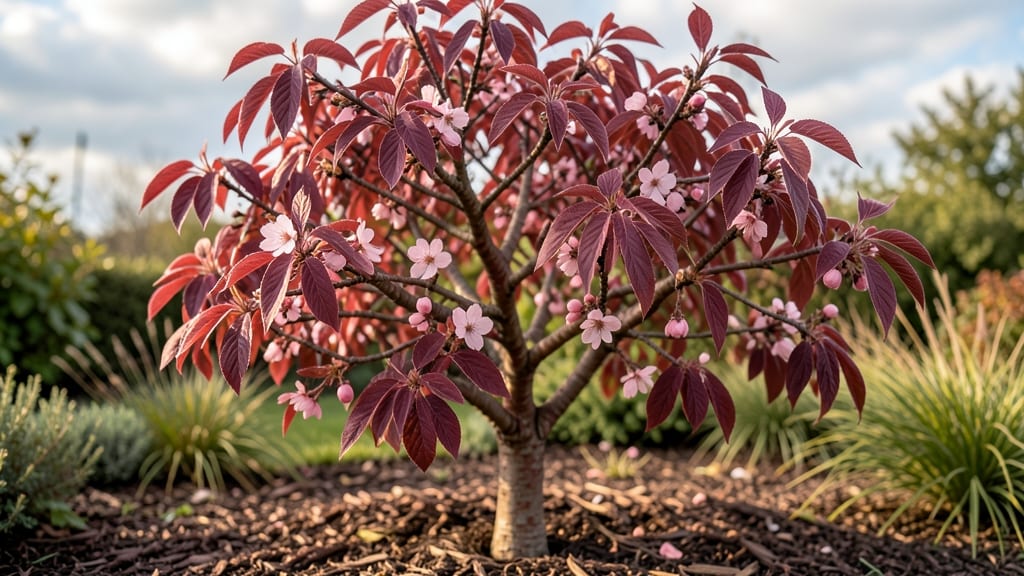
Pink leaf tree names are stunning varieties like the Japanese Maple (Acer palmatum), Royal Purple Smoke Tree (Cotinus coggygria), and Empress Tree (Paulownia tomentosa), known for their dramatic pinkish-red fall foliage. These deciduous trees excel in temperate zones and create eye-catching seasonal displays in gardens.
The name "pink leaf tree" actually refers to a group of deciduous trees that produce vibrant pink, crimson, or burgundy foliage during autumn. 🌿 Unlike traditional maples that turn yellow or orange, these varieties develop anthocyanins—pigments that create those striking pink hues.
My favorite for small spaces is the Royal Purple Smoke Tree, which stays compact yet packs a bold punch with its velvety foliage. For larger gardens, the Empress Tree grows up to 30 feet tall while maintaining its dramatic color year after year.
What makes these trees special isn't just their color—it's their adaptability. Most thrive in full sun to partial shade and tolerate a range of soil types, though they prefer well-drained conditions.
I've seen gardeners use them as focal points, mixed borders, or even as natural privacy screens when planted in groups. The key to maintaining their vibrant colors is proper pruning in late winter to remove dead branches while preserving the tree's natural shape.
💡 In This Article
- Why Pink Leaf Trees Change Color in Autumn
- Best Pink Leaf Trees for Small vs. Large Gardens
Why pink leaf trees change color in autumn
The vibrant pink hues in these trees come from a biological process called anthocyanin production. These water-soluble pigments develop in leaves when chlorophyll breaks down as daylight shortens and temperatures drop.
Unlike the yellows and oranges produced by carotenoids, anthocyanins create pink and crimson tones when they react with sugars and acids in the leaves. 🌿 The Japanese Maple (Acer palmatum), for example, produces up to 30% more anthocyanins than other maple species, creating its signature deep pink foliage.
Sunlight exposure plays a crucial role in this transformation. Trees receiving direct morning sun develop the most intense pink colors because UV light triggers higher anthocyanin synthesis.
The Royal Purple Smoke Tree (Cotinus coggygria) thrives in full sun, where its leaves can reach a stunning magenta hue by late October. Temperature also matters—cool nights (below 50°F) combined with warm days accelerate pigment development, while consistently warm autumns may produce duller colors.
What makes these trees unique is their ability to maintain vibrant colors even after leaves fall. The Empress Tree (Paulownia tomentosa) stores anthocyanins in its bark and new growth buds, which explains why its young spring leaves emerge with a soft pink tint.
This adaptation helps protect the tree's cells from UV damage during seasonal transitions. 🌸 The chemical process involves flavonoid biosynthesis, where enzymes convert phenylalanine into anthocyanins—a mechanism also found in red cabbage and purple sweet potatoes.
Not all pink leaf trees develop the same shade. The Autumn Blaze Maple (Acer × freemanii) produces bright red-pink foliage due to higher cyanidin-based pigments, while the Bloodgood Maple (Acer rubrum) contains more peonidin, resulting in deeper purples.
Soil pH also influences color intensity—slightly acidic soils (pH 5.5-6.5) enhance pink tones, while alkaline conditions may mute them. This is why gardeners often amend soil with sulfur to maintain vibrant fall displays.
One fascinating exception is the Weeping Pink Cherry (Prunus serrulata), which develops pink leaves due to a genetic mutation affecting chlorophyll production.
Unlike seasonal color changes, this tree maintains its pink foliage throughout spring and summer, though autumn brings even more intense hues. 🍃 The key difference lies in its permanent anthocyanin accumulation rather than seasonal pigment shifts.
For gardeners, understanding these mechanisms means you can enhance color displays by selecting trees suited to your climate and providing optimal growing conditions. Planting pink leaf varieties in southeast-facing locations maximizes sunlight exposure, while mulching with organic matter maintains ideal soil pH for vibrant autumn colors.