
Pruning
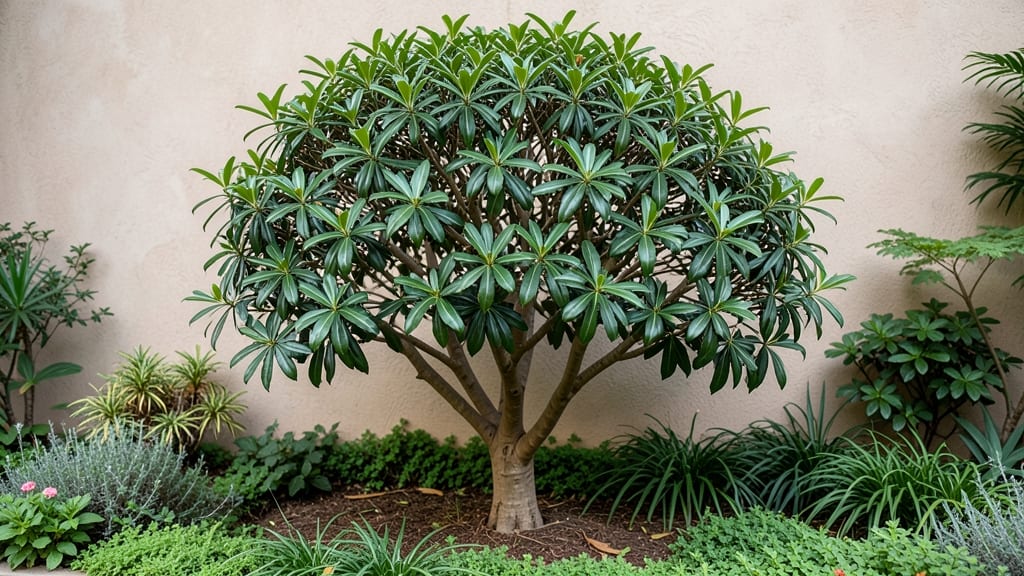
Growing a cinnamon tree indoors means fresh spice within arm's reach—no grocery store required. 🌿 I've nurtured mine for three years, and the secret isn't complicated: it's all about mimicking its tropical home with light, warmth, and occasional pruning to keep it manageable.
The first time I smelled that warm, woody aroma indoors, I knew I'd never go back to store-bought cinnamon sticks again.
The real magic happens in the details: bright, indirect light for 6+ hours daily, well-draining soil that stays slightly moist but never soggy, and humidity levels that keep those glossy leaves happy.
Most people overwater—my tree thrives on once-weekly watering in winter, twice in summer—and the right-sized pot (12-15 inches deep) prevents root bound problems that stunt growth. Pruning isn't just about size control; it's how you encourage that fragrant bark to develop.
By year two, you'll harvest your own cinnamon quills straight from the branches, and the plant becomes a conversation piece that actually produces.
The leaves release that familiar spice scent when crushed, and with proper care, your tree can grow 6-8 feet tall indoors—tall enough to reach for when baking or cooking. The best part? No more worrying about store-bought quality or hidden additives.
Works beautifully in sunrooms, kitchens with southern exposure, or even under grow lights if natural light is limited. The key is patience—these trees grow slowly but steadily, and the payoff of homegrown spice makes every bit of care worthwhile. Let's get your cinnamon tree growing!
📚 In This Guide
- What you need
- Instructions
- Tips and common mistakes
- Wrapping up and next steps
What you need
- ● Cinnamon Tree Seedling or Cutting: A healthy Cinnamomum verum (true cinnamon) or Cinnamomum burmannii (Indonesian cinnamon) plant (check local nurseries or online plant shops). Pro tip: 🌱 Start with a 1-2 year old sapling for faster growth!
- ● 10-12" Pot with Drainage Holes: Terracotta or ceramic (avoid plastic—it traps moisture). Size matters: 📏 Use a pot at least 12" wide for mature trees.
- ● Well-Draining Potting Mix: A blend of 60% peat moss or coconut coir, 30% perlite/pumice, and 10% compost. Why? 💡 Cinnamon trees hate soggy roots!
- ● Pruning Shears: Sharp, bypass-style shears (sterilize with rubbing alcohol between cuts). Size up: 🔪 4-6" blades work best for precision.
- ● Supportive Stake or Trellis: A bamboo or metal stake (18-24" tall) to train young trees upright.
- ● Humidity Tray or Pebble Tray: A shallow tray filled with pebbles + water to maintain 60-70% humidity.
- ○ Grow Lights (Optional but Recommended): A full-spectrum LED grow light (12-16 hours/day) if natural light is less than 6 hours/day.
- ● Rooting Hormone: For propagating cuttings (e.g., Clonex or Dip ‘N Grow).
- ● Misting Bottle: To replicate tropical rainfall (especially in dry climates).
- ● Soil pH Meter: Ideal pH range: 5.5–6.5. Test first! 🌡️
- ● Slow-Release Fertilizer: Balanced 10-10-10 NPK or organic options like fish emulsion.
- ● Pruning Gloves: Lightweight, breathable fabric to protect hands from sap and thorns.
- ● Spray Bottle (for Fungicide): Mix 1 tsp neem oil + 1 tsp dish soap per quart of water for pests.
Step-by-Step instructions for growing a cinnamon tree indoors
Here's how I grow a thriving cinnamon tree that gives me fresh bark year-round—no greenhouse needed.
🌱 Step 1: Choose the Right Container and Soil Mix
Start with a 12-15 inch diameter pot (one per tree) since cinnamon trees have deep roots. I use a mix of 60% potting soil, 20% perlite, and 20% compost—this keeps the roots aerated while holding moisture without drowning them. The soil should feel like a damp sponge when squeezed, not a dripping wet rag.
Add a 2-inch layer of coarse sand or gravel at the bottom for drainage. Cinnamon trees hate soggy feet, and poor drainage is the #1 reason they fail indoors. Place the pot in a saucer to catch any excess water that drains through.
🌿 Step 2: Plant the Cuttings or Seedlings
If using cuttings, take 6-inch long stems from a healthy cinnamon tree in late spring or early summer. Let them dry for 24 hours to form a callous, then dip in rooting hormone. Plant at a 45-degree angle, burying half the stem in the prepared soil mix. Gently firm the soil around it to remove air pockets.
For seedlings, plant them 1 inch deeper than their nursery pot to encourage root stability. Water lightly immediately after planting—just enough to moisten the soil around the base, not soak it. You'll know it's right when water runs out the drainage holes but doesn't pool in the saucer.
☀️ Step 3: Position for Bright, Indirect Light
Place your cinnamon tree near an east or west-facing window where it gets 4-6 hours of morning or afternoon sun. Direct midday sun will scorch the leaves, turning them yellow or brown. If you only have south-facing windows, use a sheer curtain to diffuse the light.
Rotate the pot a quarter turn weekly so the tree grows evenly. You'll notice leaves on one side stretching toward the light—that's your cue to move it closer to the window or supplement with a grow light. Keep the temperature between 65-80°F; drafts and sudden temperature swings stress the plant.
💧 Step 4: Water and Humidity Management
Water when the top 2 inches of soil feel dry—stick your finger in to check. Overwatering is deadly, but underwatering causes the leaves to curl and drop. I water deeply until it runs out the drainage holes, then empty the saucer after 10 minutes to prevent root rot.
Cinnamon trees love humidity. Place the pot on a tray filled with pebbles and water (keep the pot above the water line) or use a humidifier nearby. Aim for 50-60% humidity. You'll know it's working when the leaves stay plump and glossy—not crispy or drooping.
✂️ Step 5: Prune for Shape and Spice Production
Prune in late winter or early spring before new growth begins. Use clean, sharp pruning shears to cut back 1/3 of the branches to encourage bushier growth. Remove any dead, diseased, or crossing branches first—they steal energy from the healthy parts.
Save the pruned branches! Dry the bark strips in a low oven (200°F) for 1-2 hours or at room temperature for 2-3 weeks to make your own cinnamon sticks. The tree will reward you with fresh new leaves and branches within 4-6 weeks of pruning.
⏰ Step 6: Fertilize for Year-Round Growth
Feed every 4-6 weeks during the growing season (spring through fall) with a balanced liquid fertilizer (10-10-10). Dilute it to half-strength to avoid burning the roots. Stop fertilizing in winter when the tree enters its natural dormancy period.
You'll see the difference in 2-3 weeks: darker green leaves, faster new growth, and thicker stems. If you notice yellowing leaves after fertilizing, flush the soil with water to prevent salt buildup from accumulating in the roots.
Tips & tricks for perfect indoor cinnamon tree growth
Here's what I learned after years of growing my own spice trees—these tricks make all the difference between a struggling plant and a thriving one.
Soil Mix Secret: That 60-20-20 soil mix in Step 1 is non-negotiable for cinnamon trees. The perlite prevents compaction, while the compost provides just enough nutrients without overwhelming the roots. If you can't find compost, substitute with worm castings—they're even more nutrient-dense and won't burn your tree like synthetic fertilizers. I always sift the soil before mixing to remove any large chunks that could disrupt drainage.
Light Positioning: In Step 3, I've found that east-facing windows provide the perfect balance of light—enough for growth but not so intense it burns the leaves. If you notice brown spots on leaves after moving to a new spot, it's a sign of too much direct sun. For south-facing windows, I recommend using a sheer curtain that blocks 30-40% of UV rays while still allowing plenty of light through.
Pruning Precision: When you're cutting back that 1/3 of branches in Step 5, always make your cuts just above a leaf node where new growth will emerge. I use sterilized pruning shears and wipe them with rubbing alcohol between cuts to prevent spreading any potential diseases. The 4-6 week regrowth period is your reward for precise pruning—you'll get thicker stems and more cinnamon bark to harvest!
Humidity Hack: That pebble tray in Step 4 works wonders, but here's a bonus tip: place your cinnamon tree on top of a larger tray filled with water and pebbles, then set that tray on a saucer. This creates a microclimate that maintains humidity without risking root rot from sitting in water. I also group my plants together in winter when indoor air gets dry from heating systems.
Pro Tips for Cinnamon Tree Indoors
- Here's what I learned after years of growing my own spice trees—these tricks make all the difference between a strugg...
- Soil Mix Secret: That 60-20-20 soil mix in Step 1 is non-negotiable for cinnamon trees. The perlite prevents compacti...
- Light Positioning: In Step 3, I've found that east-facing windows provide the perfect balance of light—enough for gro...
Frequently asked questions
Got questions about growing a cinnamon tree indoors?
Here are some of the most common ones—plus quick, practical answers to keep your spice harvest thriving!
Can I grow a cinnamon tree indoors from a store-bought stick?
Yes! Cinnamon sticks from the grocery store can root and grow into a small tree, though it may take patience (1-2 years for noticeable growth). Remove the inner bark, soak the stick in water for a day, then plant it in moist soil. Keep it in bright, indirect light and mist regularly. For faster results, buy a young Cinnamomum verum sapling from a nursery.
How long does it take for an indoor cinnamon tree to produce edible bark?
Indoor cinnamon trees (like Cinnamomum verum) typically take 3–5 years to mature enough for harvestable bark. Dwarf varieties may yield smaller quantities, but with proper care—bright light, high humidity, and occasional pruning—they’ll reward you with fragrant, spice-ready branches. Pro tip: Use a humidity tray or grow light to speed up growth!
Why is my cinnamon tree’s leaves turning yellow or dropping?
Yellowing leaves usually signal overwatering or low humidity. Let the top 1–2 inches of soil dry out between waterings, and place a pebble tray under the pot to boost moisture. Brown edges or crispy leaves? That’s often underwatering or dry air. Adjust care and monitor light—too much direct sun can scorch foliage. Troubleshoot: Check roots for rot if leaves drop suddenly.
What’s the best alternative if I can’t grow a true cinnamon tree indoors?
If Cinnamomum verum is hard to find, try Cinnamomum camphora (camphor tree) or Cinnamomum burmannii, both easier to cultivate indoors. For a non-spice option, avocado trees or citrus trees (like Meyer lemons) thrive in similar conditions and offer their own rewards. Just ensure they get 6+ hours of light daily!
How often should I prune my indoor cinnamon tree for better growth?
Prune 2–3 times a year to encourage bushier growth and easier bark access. Trim leggy stems in spring/summer, and lightly shape in fall. Always use sterilized shears and seal cuts with cinnamon powder (natural antiseptic!) to prevent disease. Goal: Keep the tree compact (3–4 feet tall) for manageable harvests.
Wrapping up and next steps
Growing a cinnamon tree indoors isn’t just about adding a fragrant, decorative touch to your home—it’s a rewarding way to enjoy fresh cinnamon year-round with a little pruning precision! 🌿 With the right tools, timing, and care, you can shape your tree, boost its health, and harvest luscious bark for spices.
Whether you’re a pruning pro or a beginner, this guide gives you the confidence to trim like a pro.
Ready to take the next step? Start by observing your tree—notice where new growth is sprouting or where branches are overcrowding. Then, grab your pruners and trim with purpose!
Over time, you’ll not only enhance your tree’s beauty but also unlock a pantry full of homegrown spice. Happy pruning! ✂️✨