
Pruning
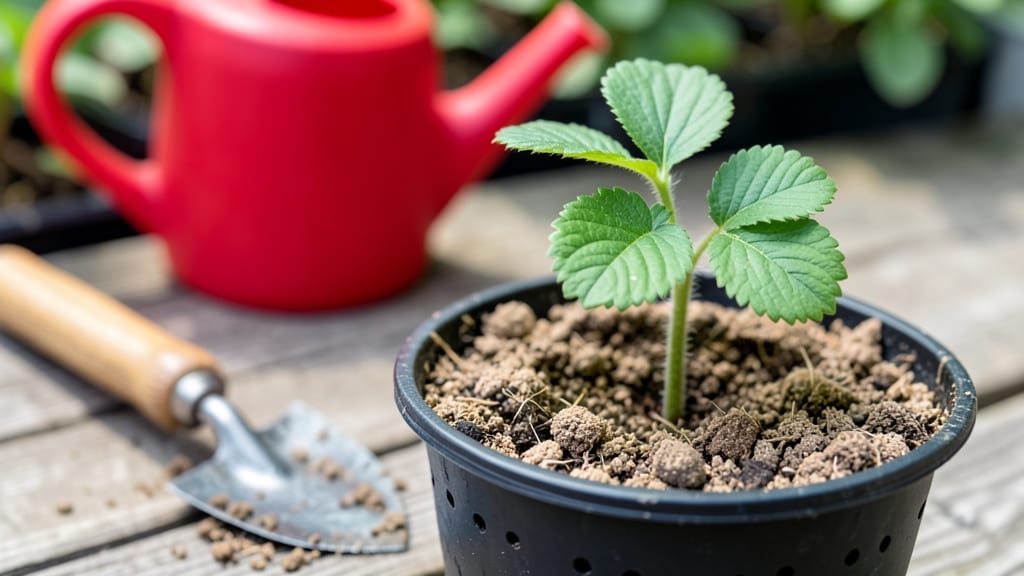
Growing a strawberry tree seedling delivers year-round fruit that looks like strawberries but tastes like spiced wine. 🌿 I’ve nurtured mine through winters in zone 5, and the key is matching its Mediterranean roots to your climate’s quirks—drought tolerance, partial shade, and acidic soil.
The first year focuses on root establishment: plant in well-draining soil with 30% organic matter, water deeply once a week, and avoid fertilizing until spring. Strawberry trees hate soggy feet but thrive when slightly thirsty—think of them as the low-maintenance evergreen you didn’t know you needed.
By year three, you’ll harvest clusters of pea-sized berries that ripen from green to pink to deep red. The scent alone—like a cross between strawberry and cinnamon—makes the wait worthwhile. Prune lightly in late winter to shape the tree and remove dead branches.
Perfect for coastal gardens, urban yards, or even large containers. Here’s how to keep yours happy through all four seasons—no fancy equipment required.
📚 In This Guide
- What you need
- Instructions
- Tips and common mistakes
- Wrapping up and next steps
What you need
- ● Strawberry tree seedlings: 1–3 cold-hardy varieties (e.g., 'Compacta' or 'Elfin King'), purchased from a reputable nursery or grown from seeds (if starting from scratch).
- ● Well-draining soil: A mix of 50% native soil, 30% compost, and 20% perlite or coarse sand (ideal pH: 5.0–6.5).
- ● Containers or planting area: For seedlings: 1–2 gallon pots with drainage holes (if starting indoors).
- ● For outdoor planting: A sunny, sheltered spot with at least 6–8 hours of sunlight daily and protection from strong winds.
- ● Mulch: 2–3 inches of organic mulch (e.g., pine bark, wood chips, or shredded leaves) to retain moisture and regulate soil temperature.
- ● Fertilizer: A balanced, slow-release fertilizer (10-10-10 or 5-5-5) or organic options like fish emulsion or compost tea (apply sparingly, 2–3 times per year).
- ● Gardening gloves: A pair of durable, breathable gloves to protect your hands.
- ● Trowel or small shovel: For planting seedlings and loosening soil.
- ● Watering can or hose with a gentle spray nozzle: Strawberry trees dislike soggy roots—water deeply but infrequently.
- ● Pruning shears: Sharp, sterilized shears (for trimming dead or overgrown branches later).
- ○ pH testing kit (optional): To monitor soil acidity and adjust as needed.
- ○ Spray bottle (optional): For misting seedlings if humidity is low.
- ● Patience: Strawberry trees grow slowly—they may take 3–5 years to bear fruit! 🌱
- ● Timing: Plant seedlings in early spring or fall (avoid extreme heat or frost).
- ● Cold hardiness: Choose varieties rated for your USDA Hardiness Zone 7–9 (some tolerate down to Zone 6 with protection).
- ● Sunlight: No compromise here! Partial shade can reduce fruit production.
Step-by-Step guide for planting and caring for strawberry tree seedlings
Here's the foolproof approach I've used to establish healthy strawberry tree seedlings that thrive in cold climates.
🌱 Step 1: Select and Prepare the Planting Site
Strawberry trees (Arbutus unedo) need well-draining soil with a slightly acidic pH between 5.0 and 6.5. Choose a location with partial shade to full sun—morning sun and afternoon shade works best in hotter climates. I always test the soil first using a simple pH kit to avoid surprises later.
If your soil is heavy clay, amend it with 2-3 inches of compost mixed into the top 12 inches of soil. Strawberry trees hate soggy roots, so avoid low-lying areas where water pools. The planting hole should be twice as wide as the root ball but only as deep—never deeper than the container's base.
🪴 Step 2: Plant Seedlings at the Right Depth and Spacing
Remove the seedling from its container and gently loosen the roots if they're circling. Place it in the hole so the top of the root ball sits level with the surrounding soil—burying too deep suffocates the stem. For 4 seedlings, space them 12-15 feet apart to allow mature branches to spread without overcrowding.
Backfill with native soil mixed with 1 part compost to encourage root establishment. Water deeply to settle the soil, then add a 2-inch layer of wood chips or pine straw around the base to retain moisture and suppress weeds. This mulch layer also protects roots from extreme temperature swings.
☀️ Step 3: Water and Fertilize for Strong Establishment
Water deeply once a week during the first growing season, ensuring the soil stays moist but not waterlogged. You'll know it's right when the top 2 inches of soil feel damp but not soggy. Strawberry trees are drought-tolerant once established, but young seedlings need consistent moisture to develop strong roots.
Apply a balanced, slow-release fertilizer (10-10-10) in early spring and again in midsummer. I use ½ cup per tree, spread evenly over the root zone and lightly scratched into the soil. Avoid high-nitrogen fertilizers—they encourage leafy growth at the expense of fruit production, which is what we're after.
✂️ Step 4: Prune for Shape and Fruit Production
Prune in late winter or early spring before new growth begins. Remove any dead, diseased, or crossing branches first, cutting back to the nearest healthy bud. Then shape the tree by thinning out 10-20% of the oldest wood to improve air circulation and sunlight penetration.
Here's the thing—strawberry trees fruit on both old and new wood, so avoid heavy pruning. Look for water sprouts (vigorous vertical shoots) and remove them entirely—they sap energy from the main structure. After pruning, apply a copper fungicide spray as a preventative measure against common fungal issues.
⏰ Step 5: Winter Care for Cold-Hardy Varieties
Strawberry trees handle USDA zones 7-9, but young seedlings need extra protection in their first winter. Mulch heavily with 4-6 inches of organic mulch (like shredded bark) around the base, extending it 12 inches outward from the trunk. This insulates roots from freezing temperatures.
Water trees once in late fall if the soil is dry, but avoid overwatering—wet soil freezes more easily. In extremely cold climates, wrap the trunk with burlap or tree wrap to prevent sunscald damage. By spring, you'll see new growth emerging from the base, signaling the tree has survived winter unscathed.
Tips & tricks for perfect strawberry tree seedling planting
These practical insights will help you establish thriving cold-hardy strawberry trees that produce fruit year after year.
Soil Preparation Secret: Before planting, I recommend adding a handful of sulfur powder to your amended soil if your pH test shows readings above 6.5. This gradually lowers the pH over time, creating the ideal acidic environment these trees crave. The 2-3 inches of compost mentioned in Step 1 should be well-aged—fresh compost can burn tender roots during establishment.
Root Ball Handling: When removing seedlings from containers, I've found that soaking the root ball in water for 10-15 minutes before loosening circling roots prevents transplant shock. This gives the roots a head start in their new environment. The key is to keep the root ball intact while loosening the outer edges—never tear the roots apart completely.
Mulching Strategy: The 2-inch mulch layer from Step 2 is just the beginning. After the first year, I increase this to 4-6 inches in winter, creating an insulating blanket that protects roots down to 12 inches below the surface. Use shredded bark or pine straw—avoid dense mulches that can compact and reduce drainage.
Fertilizer Application: When applying the ½ cup of 10-10-10 fertilizer, I scatter it evenly over the root zone and lightly scratch it into the top inch of soil. This prevents fertilizer burn while ensuring nutrients reach the roots. Water thoroughly after application to help distribute the fertilizer through the soil profile.
Pro Tips for Strawberry Tree Seedling
- These practical insights will help you establish thriving cold-hardy strawberry trees that produce fruit year after y...
- Soil Preparation Secret: Before planting, I recommend adding a handful of sulfur powder to your amended soil if your ...
- Root Ball Handling: When removing seedlings from containers, I've found that soaking the root ball in water for 10-15...
Frequently asked questions
Got questions about growing strawberry tree seedlings? You’re not alone! Whether you’re a first-time gardener or a seasoned grower, these answers will help you navigate the process with confidence. Here are the most common queries—and their solutions—straight from the experts.
How long does it take for a strawberry tree seedling to bear fruit?
A strawberry tree (Arbutus unedo) seedling typically takes 3–5 years to produce its first fruit after planting. Patience is key—young trees focus on root and canopy growth before flowering. In colder climates, expect a slightly longer wait (up to 7 years) due to slower maturation. Pro tip: Fertilize annually with compost or a balanced 10-10-10 blend in early spring to encourage faster fruiting.
Can strawberry tree seedlings survive winter in USDA Zone 5 or colder?
Most strawberry tree varieties are hardy to USDA Zone 7, but some cold-tolerant cultivars (like Arbutus ‘Compacta’) can handle brief dips to Zone 6 with protection. In Zone 5 or colder, grow seedlings in containers and overwinter them indoors (e.g., a garage or unheated shed) or mulch heavily with 6+ inches of straw or leaves. Avoid planting outdoors until spring.
What’s the best way to transplant a strawberry tree seedling without killing it?
Transplant seedlings in early spring or fall when temperatures are mild. Dig a hole twice as wide as the root ball but only as deep. Amend the soil with compost and loosen roots gently if pot-bound. Water thoroughly before and after transplanting, and shade the plant for 1–2 weeks to reduce stress. Pro tip: Use a rooting hormone to boost survival rates for young seedlings.
Why aren’t my strawberry tree seedlings flowering or fruiting?
Common culprits include immature age (as mentioned above), poor sunlight (they need 6+ hours of sun daily), or nutrient deficiencies. Check for yellowing leaves (nitrogen deficiency) or stunted growth (phosphorus/potassium lack). Overwatering can also deter blooms—ensure soil drains well. Pro tip: If your tree is established but still not flowering, try pruning lightly in late winter to encourage new growth and flowering wood.
Are there dwarf strawberry tree varieties for small gardens or containers?
Yes! Look for ‘Compacta’ or ‘Elfin King’, which stay under 6–8 feet tall and are perfect for containers (15+ gallon pots). These varieties also produce fruit earlier than standard types. Just ensure pots have drainage holes and use a well-draining potting mix (like a 50/50 blend of soil and perlite). Pro tip: Move containers to a sunny spot in summer and shelter from wind to protect delicate foliage.
Wrapping up and next steps
Growing a strawberry tree seedling is a rewarding journey that brings year-round beauty and fruit to your landscape—even in colder climates! 🌱 With the right cold-hardy variety, proper care, and a little patience, you’ll enjoy lush foliage, fragrant flowers, and delicious berries for decades.
Whether you’re a seasoned gardener or a beginner, this guide has given you the tools to succeed.
Now that you’re equipped with the knowledge, take the next step—plant your seedling in well-draining soil, give it love, and watch it thrive! Share your progress with fellow gardeners or even experiment with pruning techniques to maximize fruit production. Happy growing! 🌟