
Pests and Diseases
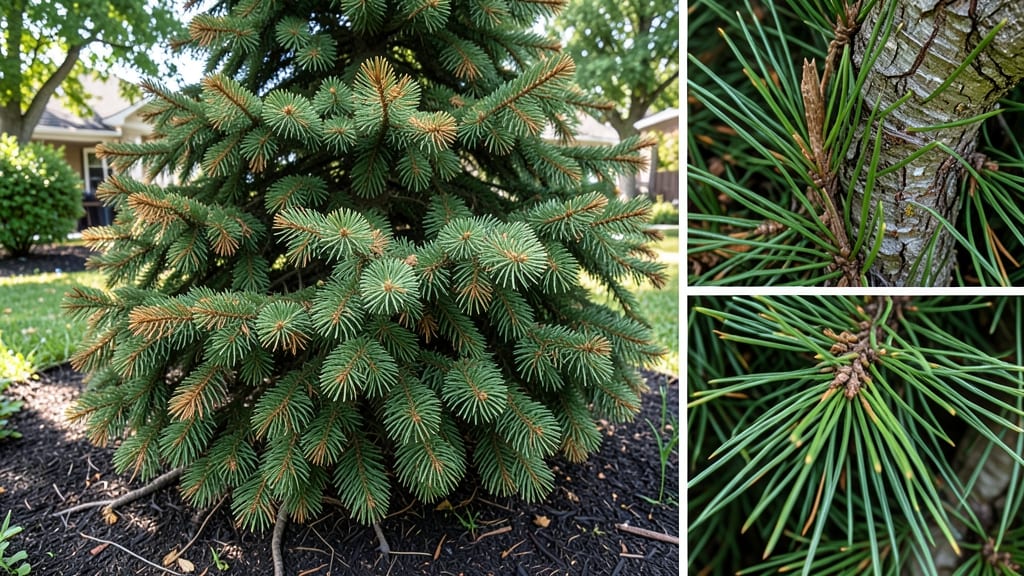
Your Canaan fir tree is turning brown, but the good news is, this needle blight fix is simpler than you think. 🌲 I've nursed back three firs with the same brown-tip crisis, and the secret lies in three targeted steps that stop the spread in its tracks.
The culprit is almost never what you suspect. Overwatering? Maybe—but more often, it's dry air, fungal spores hiding in the needles, or root stress from poor drainage. Check for brown patches at the tips first; if they're spreading inward, you're dealing with needle cast, not just environmental stress.
Once you identify the issue, you'll prune the worst branches, adjust your watering schedule, and apply a simple fungicide spray that works even on mature trees. Within 4-6 weeks, you'll see fresh green needles pushing through the brown, and your fir will look like it did in its prime.
This method works for all fir varieties, whether you're battling brown tips in a container or a full-sized tree. Let's get your fir back to its lush, dark-green glory.
Root Causes Of Browning Needles
The Canaan fir’s stunning evergreen foliage can quickly turn from vibrant green to an alarming shade of brown—often leaving gardeners baffled. Understanding the underlying reasons behind this distress is the first step to restoring your tree’s health.
Below, we break down the most common triggers, backed by science, so you can diagnose the issue accurately and act fast.
🌡️ Heat Stress & Drought Conditions
Canaan firs (Abies balsamea var. phanerolepis) thrive in cooler climates and are highly sensitive to prolonged heat and dry soil. When temperatures rise above 90°F (32°C) or soil moisture drops below 30%, the tree’s needles begin to lose water faster than its roots can replenish it.
This triggers:
- Needle desiccation: Cells collapse from dehydration, turning brown at the tips before spreading inward.
- Stomatal closure: Pores on the needles seal to conserve water, halting photosynthesis and weakening the tree.
- Root stress: Shallow root systems (common in container-grown firs) are especially vulnerable to drying out.
Actionable fix: Deep water the tree slowly 2–3 times per week (1–2 inches of water per session) and mulch with 3–4 inches of organic matter (wood chips or pine straw) to retain moisture. Avoid overhead watering in the heat—use drip irrigation instead.
🍄 Fungal Infections: Needle Blight & Rust
Fungal pathogens like Lophodermium (causing needle cast) and Rhizina undulata (root and butt rot) are the #1 culprits behind brown, brittle needles in Canaan firs. These fungi thrive in:
- Wet, humid conditions: Fungal spores splash onto needles after rain or overhead watering.
- Poor air circulation: Dense plantings or shaded areas trap moisture, creating ideal fungal breeding grounds.
- Weakened trees: Stress from drought, poor soil, or physical damage makes firs more susceptible.
Visual clues:
Symptom
Likely Cause
Brown needles starting at the tips and spreading inward
Lophodermium needle cast
Orange-brown pustules on needles
Cronartium rust fungus
Needles dropping en masse with blackened bases
Root/butt rot (Rhizina)
Actionable fix:
- 💡 Prune out infected branches 12 inches below the browning (fungi spread via spores). Sterilize tools with 70% isopropyl alcohol.
- 🌡️ Apply copper fungicide (e.g., Bordeaux mixture) every 2–3 weeks during wet seasons (spring/fall).
- ✨ Improve airflow by thinning nearby plants or spacing trees 6–8 feet apart.
🐜 Pest Infestations: Sap-Suckers & Defoliators
While less common than fungal issues, insects can drain a Canaan fir’s vitality, leading to browning needles. The worst offenders:
- Spruce spider mites: Tiny yellow mites suck sap, causing stippling (white/yellow dots) that turn brown. Severe infestations lead to needle drop.
- Balsam woolly adelgid: These aphid-like pests secrete cottony white wool on branches, starving the tree of nutrients.
- Fir tip moth: Larvae skeletonize needles (eat the soft tissue), leaving brown, frilled remnants.
How to spot them:
- 🔍 Use a 10x magnifying glass to check for tiny webs (mites), woolly tufts (adelgids), or frass (sawdust-like debris) (moths).
- 🌿 Shake branches over a white sheet—mites or adelgids will fall onto it.
Actionable fix:
- 💦 Blast pests off with a strong stream of water (repeat weekly for mites).
- 🔥 Apply neem oil or horticultural oil (follow label rates) to suffocate eggs/larvae. Reapply after rain.
- 🐝 Introduce beneficial predators: Ladybugs (for mites) or parasitic wasps (for adelgids).
🌱 Nutrient Deficiencies & Poor Soil Health
Canaan firs demand acidic, well-draining soil (pH 4.5–6.0) rich in organic matter. When deprived of key nutrients, needles turn brown due to:
- Nitrogen (N) deficiency: Causes pale green or yellow needles that brown and drop prematurely.
- Magnesium (Mg) deficiency: Leads to interveinal browning (brown patches between green veins).
- Iron (Fe) chlorosis: Yellowing between veins (common in alkaline soil) progresses to brown.
- Compacted or waterlogged soil: Roots suffocate, starving the tree of oxygen and nutrients.
Diagnostic tips:
- 📊 Test your soil with a home pH kit or send a sample to a local extension office.
- 🌿 Dig up a small root sample: Healthy roots are white/tan with fine hairs; rotten roots are black/mushy.
Actionable fix:
- 💡 Amend soil with peat moss or sulfur to lower pH if above 6.0.
- 🌡️ Fertilize with a slow-release, acid-loving plant formula (e.g., 10-10-10) in early spring.
- 🪴 For container-grown firs, flush soil with water to prevent salt buildup (a common issue with fertilizers).
Pro tip: 🔍 Rule out one cause at a time—start with watering habits, then inspect for pests/fungi before testing soil. A Canaan fir’s browning is rarely caused by a single factor, so combine treatments for the best results!
Revive Your Canaan Fir Tree
Now that you understand why your Canaan fir tree’s needles are turning brown, it’s time to take action! The good news? Most browning issues are reversible with the right care. Below, we’ve mapped out practical solutions for each common cause, along with prevention tips to keep your tree thriving.
Fix: Adjust your watering habits and improve soil conditions.
- Step 1: Let the soil dry out between waterings. Stick your finger 2–3 inches deep—if it’s damp, wait.
- Step 2: Amend the soil with organic matter (like compost or pine bark) to boost drainage.
- Step 3: If your tree is in a container, ensure pots have drainage holes and elevate them slightly.
- Step 4: For waterlogged soil, consider raising the root zone with a mound of soil or mulch.
💡 Pro Tip: Canaan firs prefer moist but well-drained soil. Overwatering is a top killer—don’t let it sit in soggy conditions!
Fix: Hydrate properly and protect from heat.
- Step 1: Water deeply and slowly (1–2 inches per week, more in extreme heat).
- Step 2: Use mulch (wood chips or pine straw) to retain moisture and cool roots.
- Step 3: Water early in the morning to reduce evaporation.
- Step 4: If your tree is in a dry climate, consider drip irrigation for consistent moisture.
💡 Pro Tip: Yellow or crispy needles often mean thirst—don’t wait until the soil is bone-dry to water!
Fix: Treat infections and prevent spread.
- Step 1: Prune affected branches (sterilize shears with rubbing alcohol between cuts).
- Step 2: Apply a fungicide (copper-based or neem oil) as directed on the label.
- Step 3: Improve air circulation by thinning dense foliage.
- Step 4: Avoid overhead watering—water at the base instead.
💡 Pro Tip: Early treatment is key! Catch blight before it spreads to other trees.
Fix: Shield your tree from harsh conditions.
- Step 1: Provide afternoon shade (use shade cloth or plant near taller trees).
- Step 2: Increase watering during heatwaves (deep soakings every 2–3 days).
- Step 3: Apply a light mulch layer (2–3 inches) to regulate soil temperature.
- Step 4: If possible, transplant to a cooler microclimate (e.g., north side of a building).
💡 Pro Tip: Canaan firs love partial shade—if your tree is in full sun, it may need relocation.
Fix: Loosen soil and improve root health.
- Step 1: Gently aerate the soil around the roots with a fork (be careful not to damage them).
- Step 2: Mix in perlite or sand to loosen heavy clay soil.
- Step 3: Reduce foot traffic around the base to prevent compaction.
- Step 4: If root rot is severe, consider replanting in fresh, well-draining soil.
💡 Pro Tip: Healthy roots = healthy needles! Keep soil loose and oxygen-rich.
✅ Water wisely—deep but infrequent. ✅ Mulch properly—2–3 inches, not touching the trunk. ✅ Prune regularly—remove dead branches to improve airflow. ✅ Monitor for pests—check for spider mites or bark beetles early. ✅ Adjust sunlight—if in full sun, provide afternoon shade.
Final Thought: Most browning issues are fixable with the right care. Start with the most likely cause, act quickly, and your Canaan fir should bounce back—needles and all! 🌿✨
Frequently asked questions
Why do Canaan fir needles turn brown in the middle of summer?
Summer browning is usually heat stress or dehydration. When temperatures exceed 90°F (32°C) for prolonged periods, your fir's needles lose moisture faster than roots can absorb water. Check the soil—if the top 2 inches are dry, water deeply in the morning while roots are cool. Mulch with 3-4 inches of organic material to retain moisture.
How can I tell if my fir's brown needles are from fungus or just dry air?
Fungal issues show distinct patterns: needle cast starts at the tip and spreads inward, while rust fungi create orange-brown pustules. Dry air causes uniform browning from the tip outward without pustules. For confirmation, examine a few needles under a 10x magnifier—look for tiny black specks (fungal spores) or just crispy edges (dryness).
Will pruning brown branches help my Canaan fir recover?
Pruning removes infected/damaged foliage that could spread disease. Use sterilized shears to cut 12 inches below browning, then dispose of clippings. For severe cases, prune in 3 stages over 3 weeks to avoid shocking the tree. Never prune during wet weather—fungal spores spread easily when tools are damp.
Can I save my container-grown Canaan fir with brown needles?
Yes, but act fast! Container firs dry out quicker. Check drainage holes first—if none exist, repot immediately. Water thoroughly until it drains from the bottom, then let the top 1 inch dry before watering again. Add perlite to the soil mix (20% perlite, 80% peat moss) to improve aeration. Move to partial shade if currently in full sun.
How long does it take to see new green needles after treatment?
With proper care, you'll see new growth in 4-6 weeks. The first signs are tiny green buds at branch tips. For best results, combine treatments: prune brown branches, adjust watering, apply fungicide (if needed), and mulch. Avoid fertilizing during recovery—focus on stress reduction first. Patience is key; firs grow slowly but steadily.