
Pests and Diseases
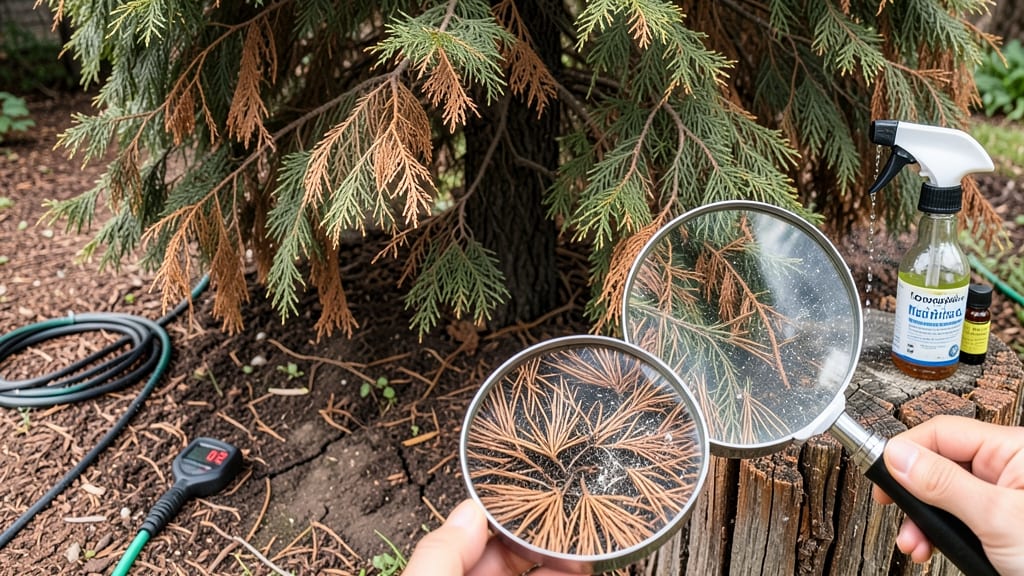
Why is my cedar tree turning brown? That’s a panic-inducing question—but it’s not a death sentence. 🌲 The first step is figuring out whether it’s thirst, pests, or something worse, because the fix depends entirely on the cause. I’ve seen cedars go from sad to thriving in just a few weeks once we pinpointed the issue, and I’ll walk you through the most common culprits and how to tackle them.
Most brown cedar trees fall into one of five categories: drought stress (needles curl and dry out), bagworm infestations (tiny silk bags hiding pests), fungal diseases (like needle blight), environmental shock (sudden temperature swings), or root issues (compaction or poor drainage).
The key is checking for clues—are the needles falling off in patches or all at once? Are there tiny bags hanging from branches? That tells you exactly where to start.
You’ll learn how to revive your tree with targeted solutions—whether it’s deep watering, manual pest removal, or fungicide treatments—plus how to keep it healthy long-term. The good news? Cedar trees are tough, and once you address the root cause (literally and figuratively), they bounce back faster than you’d expect.
If the browning spreads aggressively or you spot signs of severe disease, it’s time to call in an arborist—don’t wait until it’s too late. This guide covers everything from quick fixes to preventive care, so you can get your cedar back to its rich green glory in no time.
Root Causes Behind Browning Cedar Trees
Seeing your once-lush cedar tree turn brown can feel like a gut punch—especially when you’ve nurtured it with care. But before you panic, let’s break down the scientific reasons behind this discoloration.
Understanding the root causes (literally and figuratively) is the first step to bringing your tree back to life. Here’s what’s likely happening:
Cedar trees are tough, but they’re not drought-proof. When temperatures soar or rainfall dwindles, these evergreens can’t retain moisture efficiently, leading to desiccation—a fancy term for drying out. Here’s how it plays out:
- Water loss exceeds uptake: Cedar needles have a waxy coating to conserve water, but extreme heat or wind can strip moisture faster than the roots can replenish it. Think of it like a sponge left in the sun—eventually, it cracks and browns.
- Root zone drying: Shallow root systems (common in urban or compacted soil) struggle to reach deep water reserves. If the top 6–12 inches of soil stays dry for weeks, the tree signals distress by shedding needles or turning them brown.
- Sunburn risk: Sudden exposure to intense sunlight (like after pruning or transplanting) can scorch needles, causing them to turn brown or reddish along the edges.
💡 Pro Tip: If your tree is in a hot, dry climate, deep watering 2–3 times a week (not just a quick sprinkle) can make a huge difference. Mulching with 3–4 inches of organic material (like wood chips) helps retain soil moisture and regulates temperature.
Fungi thrive in damp, shaded conditions, and cedar trees are prime targets for diseases like cedar needle blight or root rot. These pathogens block the tree’s ability to transport water and nutrients, causing needles to brown and drop prematurely. Here’s how to spot them:
- Needle blight: Look for brown, blistered, or banded needles (often starting at the tips). Fungal spores spread in wet, humid weather, especially in dense plantings where airflow is poor.
- Root rot: If the soil stays soggy for long periods (e.g., poor drainage or overwatering), fungi like Phytophthora attack the roots. Signs include yellowing foliage, stunted growth, and a foul smell at the base.
- Cankers: Fungal cankers (sunken, discolored patches on branches) can girdle the tree, cutting off nutrient flow and causing browning above the infected area.
🔥 Warning: If you suspect fungus, act fast. Prune infected branches 1–2 inches below the damage (sterilize tools with rubbing alcohol!) and avoid overhead watering. For severe cases, a fungicide like copper-based sprays may be necessary.
Cedar trees are magnets for pests like bagworms, spider mites, and cedar bark beetles. These critters don’t just nibble—they suck sap, lay eggs, or bore into bark, starving the tree and causing needles to turn brown or drop. Here’s the pest-by-pest breakdown:
| Pest | Signs of Damage | Why It Causes Browning |
|---|---|---|
| Bagworms | Small, sack-like cocoons on branches; defoliation in late summer. | Caterpillars devour needles, leaving the tree unable to photosynthesize. Severe cases can kill branches. |
| Spider Mites | Fine webbing on needles; brown speckling (like freckles) on foliage. | Mites pierce cells to suck sap, causing stippling (tiny brown dots) that expand as the tree weakens. |
| Cedar Bark Beetles | Small holes in bark; sawdust-like frass; brown needles that drop suddenly. | Larvae tunnel under the bark, disrupting the tree’s vascular system. Adults chew galleries that block water flow. |
🎯 Action Step: For bagworms, handpick cocoons or use Bt (Bacillus thuringiensis) spray. Spider mites respond to horticultural oil sprays in early spring. If bark beetles are suspected, contact a certified arborist—these pests often require professional intervention.
Cedars prefer well-draining, slightly acidic soil (pH 5.0–7.0). If your tree’s soil is compacted, alkaline, or lacking key nutrients, it can’t absorb what it needs, leading to chlorosis (yellowing) and eventual browning. Common culprits:
- Iron or nitrogen deficiency: Yellowing between needle veins (for iron) or overall pale green/brown needles (for nitrogen) signal the tree can’t produce chlorophyll properly.
- Alkaline soil (high pH): Locks out micronutrients like iron and manganese, causing browning at needle tips.
- Compacted soil: Restricts root growth, making it hard for the tree to access water and nutrients. Roots may also suffocate, leading to root rot.
💪 Fix It: Test your soil’s pH and nutrients (kits are cheap and easy). If pH is high, amend with sulfur or peat moss. For deficiencies, apply a slow-release fertilizer (like 10-10-10) in early spring. Aerate compacted soil with a garden fork or hire a professional for deep tilling.
Cedars are resilient, but mechanical injuries—like improper pruning, lawnmower strikes, or animal damage—can create entry points for disease and stress the tree. Here’s how damage leads to browning:
- Over-pruning: Cutting into older wood (not just new growth) removes the tree’s energy reserves. Severe pruning can cause dieback (browning and death of branches).
- Bark stripping: Animals (like rabbits or deer) or tools can remove bark, exposing the cambium layer (the tree’s growth engine). Without this layer, the tree can’t transport nutrients.
- Lawn equipment trauma: Mower or trimmer damage near the trunk can girdle the tree, leading to browning above the wound.
✨ Prevention Tip: Prune cedars in late winter or early spring (avoid summer heat stress). Use clean, sharp tools and make cuts just outside the branch collar. Wrap wounds with tree wound pruning sealant (for large injuries) to protect against pathogens.
How to Fix Your Cedar Tree
A brown cedar tree can be alarming, but the good news is many issues are reversible with the right care. Below, we’ve mapped out practical solutions for each common cause, plus prevention tips to keep your tree lush and green.
If your cedar is thirsty, act fast before the damage becomes permanent.
🔥 Step 1: Deep Watering
- Water slowly and deeply (1–2 inches per week) to encourage roots to grow downward.
- Use a soaker hose or drip irrigation to avoid runoff and ensure moisture reaches the root zone.
- Best time to water: Early morning (6–10 AM) to reduce evaporation.
🍳 Step 2: Mulch Like a Pro
- Apply 2–4 inches of organic mulch (wood chips, pine straw) around the base (keep it 6 inches away from the trunk).
- Mulch retains moisture and regulates soil temperature—critical for drought-prone cedars.
🌡️ Step 3: Adjust Watering for Extreme Heat
- During heatwaves (above 90°F), increase watering to 2–3 times per week until the tree recovers.
- Sign of recovery: New growth at the tips of branches.
✨ Prevention Tip:
- Install a rain gauge to track weekly rainfall—cedars need consistent moisture, not just occasional soaking.
Cedar trees are magnets for pests, but you can evict them without harming the tree.
🔪 Step 1: Manual Removal (For Early Stages)
- Bagworms: Handpick bags and drop them in soapy water (1 tbsp dish soap + 1 gallon water).
- Spider Mites: Spray off with a strong stream of water to dislodge them before treating.
👨🍳 Step 2: Organic Pest Control
| Pest | Treatment | When to Apply |
|---|---|---|
| Bagworms | Bt (Bacillus thuringiensis) spray (safe for pets) | Late May–June (larval stage) |
| Spider Mites | Neem oil spray (mix 2 tbsp neem oil + 1 tsp mild soap + 1 quart water) | Early morning (avoid direct sun) |
| Cedar Bark Beetles | Prune and burn infested branches + apply permethrin spray (follow label) | Spring or fall (when beetles are active) |
🎯 Step 3: Chemical Defense (Last Resort)
- Use systemic insecticides (like Imidacloprid) only if organic methods fail.
- ⚠️ Warning: Follow label instructions precisely—overuse can harm beneficial insects.
💡 Prevention Tip:
- Encourage natural predators like birds (install a birdhouse) and ladybugs (plant marigolds nearby).
Fungal infections spread fast, but aggressive action can save your cedar.
🔥 Step 1: Prune & Dispose Properly
- Remove all brown, wilted, or discolored branches (cut 6 inches below the infection).
- Bag and trash (don’t compost!) infected debris to prevent spores from lingering.
🍳 Step 2: Fungicide Application
- Best fungicides for cedar:
- Copper fungicide (for cedar rust, apple scab)
- Propiconazole (for needle cast diseases)
- How to apply:
- Spray evenly on all sides of the tree, including the underside of branches.
- Reapply every 2–4 weeks during wet seasons (spring/fall).
🌡️ Step 3: Improve Airflow & Light
- Thin out dense branches to allow sunlight and air circulation.
- Space trees 6–10 feet apart when planting new cedars.
🔥 Prevention Tip:
- Water at the base (not overhead) to keep foliage dry—fungi love damp leaves!
Frost can scorch cedar needles, but proper care helps them bounce back.
🔪 Step 1: Protect from Late Frosts
- Cover young or newly planted cedars with frost cloth on nights below 28°F.
- Avoid pruning in late fall—new growth is more vulnerable to cold.
👨🍳 Step 2: Fertilize for Recovery
- Apply a balanced, slow-release fertilizer (10-10-10 or 20-20-20) in early spring.
- Avoid high-nitrogen fertilizers—they can stress the tree further.
✨ Step 3: Monitor for Secondary Issues
- Brown needles may fall, but new green growth should appear by mid-spring.
- If no recovery after 2 months, check for root rot (soft, mushy roots = time to replant).
💡 Prevention Tip:
- Plant cedars in sheltered locations (near fences or buildings) to break wind chill.
Root problems are sneaky but fixable with soil care and support.
🔥 Step 1: Test & Amend the Soil
- pH Check: Cedar trees prefer slightly acidic soil (pH 5.0–7.0).
- Too alkaline? Add sulfur or peat moss.
- Too acidic? Mix in lime (calcium carbonate).
- Drainage Test: Dig a 6-inch hole—if water pools after 2 hours, amend with compost or sand.
🍳 Step 2: Support Weak Roots
- Stake young cedars (if top-heavy) with flexible ties to prevent uprooting.
- Avoid compacting soil around the base—mulch instead of heavy foot traffic.
🌡️ Step 3: Consider Transplanting (Last Resort)
- If roots are severely damaged (e.g., from construction), dig and relocate in early spring or fall.
- Water heavily for 2 weeks post-transplant to reduce shock.
🎯 Prevention Tip:
- Avoid over-watering—cedars hate soggy roots! Ensure well-draining soil before planting.
Final Thought: Most cedar browning issues are fixable with patience and the right approach. Start with water, pests, and fungi, then move to soil and structural fixes. Act fast—the sooner you address the problem, the better your tree’s chances of a full recovery! 🌿
Frequently asked questions
Why are my cedar tree needles turning brown in patches rather than all at once?
Patchy browning usually signals localized stress from pests like bagworms or fungal infections. Bagworms create silk bags on branches and eat needles in specific areas, while fungal diseases often start at branch tips or where water splashes. Check for tiny cocoons or blistered needles to confirm.
Can I save a cedar tree if half of it is already brown and dying?
Yes, but act fast! First identify the cause (drought, pests, or disease) and treat it immediately. Prune dead branches 6 inches below the damage, then focus on deep watering and soil health. If the root system is still healthy, new growth should emerge within 2-3 months.
How do I tell if my cedar tree is dying from drought or root rot?
Drought causes crispy, dry needles that crumble easily, while root rot produces mushy, foul-smelling roots and yellowing between needle veins. Dig near the base—if soil stays soggy for days, it's rot. For drought, water deeply 2-3 times per week; for rot, improve drainage immediately.
Will fertilizing help my brown cedar tree recover?
Only if the browning is from nutrient deficiency (yellowing between veins). Use a balanced, slow-release fertilizer (10-10-10) in early spring, but avoid high-nitrogen formulas—they stress the tree. First rule out pests/disease, as fertilizer won't fix those. Test soil pH too—cedars prefer 5.0-7.0.
How long does it take for a cedar tree to recover from browning?
With proper care, you'll see new green growth in 4-8 weeks for mild cases. Severe damage (like large branch dieback) may take 1-2 growing seasons. Monitor closely—if no improvement after 3 months, consult an arborist for deeper issues like root damage. Patience is key!