
Size
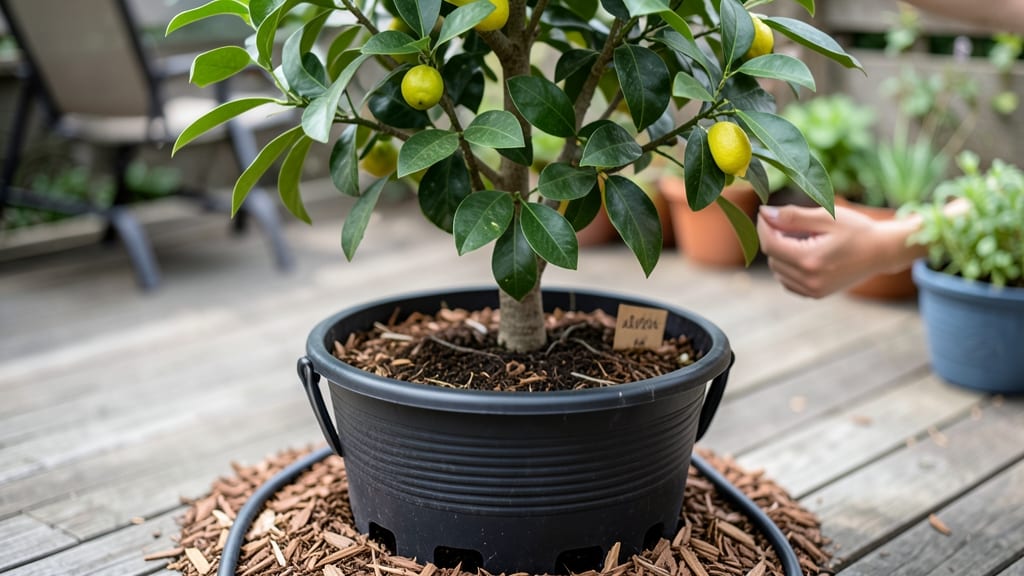
A 30-gallon tree size is the game-changer for small yards, patios, or urban spaces where big roots and towering branches feel impossible.
If you love trees but have limited space, don’t despair—these compact varieties offer the perfect balance of beauty and manageability, thriving in containers or tight garden beds without sacrificing impact.
From dwarf fruit trees to flowering ornamentals, the right 30-gallon tree can add year-round interest while keeping maintenance simple. Below, I’ll cover the best space-saving species, how to pick the perfect fit for your layout, and the secrets to long-term care that keeps them healthy and happy.
Whether you’re working with a balcony, a courtyard, or just a small backyard, you’ll discover how to make the most of your green space without compromising on style or sustainability.


Best small trees that fit in a 30-Gallon container
If you dream of trees but lack yard space, 30-gallon trees are your perfect solution. These compact varieties thrive in containers, small garden beds, or even urban balconies while delivering stunning foliage, flowers, or fruit.
The key is selecting species with slow growth rates and shallow root systems—both ideal for limited spaces. Whether you crave edible fruit, fragrant blooms, or year-round structure, there’s a 30-gallon tree that fits your vision and climate.
Container size matters more than you might think. A 30-gallon pot holds about 2-3 cubic feet of soil, which supports trees reaching 6-8 feet tall at maturity—though some dwarf varieties stay under 4 feet.
For reference, that’s roughly the size of a small shrub or a young fruit tree. The right tree in this space will need proper drainage, regular pruning, and seasonal care to thrive long-term. Let’s explore the best options, from fruit-bearing dwarfs to ornamental showstoppers.
🌱 Did You Know? Some 30-gallon trees can live 20+ years with proper care, making them a low-maintenance investment for small spaces. The secret? Choosing varieties bred for containers, like columnar fruit trees or miniature Japanese maples, which naturally stay compact.
| Tree Variety | Type | Mature Height | Sunlight Needs | Notes |
|---|---|---|---|---|
| Dwarf Meyer Lemon | Fruit | 6-8 ft | Full Sun (6+ hrs) | Cold-hardy to 20°F; produces year-round fruit. |
| Japanese Maple 'Bloodgood' | Ornamental | 8-12 ft | Partial Sun (4-6 hrs) | Vibrant red foliage; prune to maintain shape. |
| Dwarf Apple 'Golden Delicious' | Fruit | 8-10 ft | Full Sun | Self-pollinating; harvest late summer. |
| Olive Tree | Ornamental/Fruit | 10-15 ft | Full Sun | Drought-tolerant; evergreen year-round. |
| Dwarf Citrus 'Calamondin' | Fruit/Floral | 4-6 ft | Full Sun | Fragrant white flowers; edible orange fruit. |
| Smoke Tree 'Cotinus' | Ornamental | 6-8 ft | Full Sun | Stunning purple smoke foliage; low-maintenance. |
For fruit lovers, dwarf citrus like the Calamondin or Meyer Lemon are game-changers. These trees produce harvestable fruit in containers while adding fragrant blooms and glossy foliage. My Meyer Lemon, for example, yields dozens of lemons annually—perfect for cocktails or baking.
Just ensure your container has drainage holes and you’re in a USDA Zone 8+ for best results. If you’re in a cooler climate, opt for the Dwarf Apple, which thrives in Zones 5-8 and rewards you with crisp, sweet fruit.
Ornamental trees steal the show with their seasonal color changes and unique textures. The Japanese Maple 'Bloodgood' is a standout, with its deep red leaves that turn brilliant orange in fall. This tree loves partial shade, making it ideal for patios or balconies with afternoon sun.
Pair it with a Smoke Tree, which bursts into cotton-candy pink plumes in summer—both fit perfectly in a 30-gallon pot and add vertical interest to small gardens.
Don’t overlook evergreens like the Olive Tree, which offers year-round structure and silver-green foliage. This Mediterranean native is drought-resistant once established, making it a low-fuss choice for busy gardeners. Place it near a south-facing window or in a sunny courtyard to keep it thriving.
Pro tip: Use a lightweight potting mix with perlite to prevent soil compaction, which can stunt root growth in containers.
When selecting your tree, consider its growth habit. Columnar varieties (like the Dwarf Apple) grow upward, saving space, while rounder types (like the Smoke Tree) spread outward. For tight spaces, choose single-trunk trees over multi-stemmed varieties, which can become unwieldy.
Always check the root system—fibrous roots (common in dwarfs) adapt better to containers than taproots (found in full-sized trees).
One common mistake? Underestimating the weight** of a mature tree in a
How to choose the right 30-Gallon tree for your space
Selecting a 30-gallon tree requires balancing root growth, container capacity, and your space's conditions. Unlike in-ground planting, container trees need regular pruning and drainage solutions to prevent root-bound issues. I’ve learned that dwarf varieties or slow-growing species are ideal—they won’t outgrow their pots quickly or overwhelm small yards.
Before buying, check the mature height and spread of the tree. A 30-gallon container typically supports trees up to 6-8 feet tall at maturity, but root systems can still expand aggressively.
For example, a Japanese maple might fit, but its roots need elevated pots to avoid waterlogging. Always verify the root flare (where roots meet the trunk) stays above the container’s base.
30-Gallon Tree Selection Guide
Pros ✅
- Portability: Move trees indoors or to sunny spots easily.
- Root control: Prevents invasive roots damaging sidewalks or driveways.
- Urban-friendly: Perfect for balconies, patios, or small yards.
- Soil customization: Use well-draining mixes for better root health.
Cons ❌
- Limited root space: Requires annual pruning to manage growth.
- Drainage challenges: Poor drainage leads to root rot in heavy soils.
- Frequent watering: Containers dry out faster than in-ground plantings.
- Winter care needed: Protect roots from freezing with mulch or insulation.
When evaluating pruning requirements, prioritize trees with natural growth habits that don’t need aggressive trimming. For instance, olive trees or dwarf citrus grow slowly and handle container life well. I avoid fast-growing trees like willows—their roots can circle and strangle the trunk if unchecked.
Always ask nurseries about the pruning frequency; some need trimming twice yearly, while others thrive with minimal intervention.
Seasonal care is another critical factor. In summer months, container trees need daily watering (15-20 gallons per week) to replace lost moisture. I’ve found that self-watering pots with wicking systems reduce maintenance. During winter, insulate the container with bubble wrap or move it to a sheltered spot.
Evergreens like dwarf junipers handle cold better than tropical varieties, but all need mulch around the base to protect roots.
Don’t overlook the drainage system of your container. A 30-gallon tree needs at least 4-6 drainage holes to prevent soggy roots. I upgrade standard pots with fabric liners to retain moisture while allowing excess water to escape.
For extra insurance, add a 2-inch layer of gravel at the bottom before filling with well-draining potting mix. This combo keeps roots aerated and healthy.
Finally, consider your microclimate. Trees in full sun (6+ hours daily) grow faster but need more water, while shade-tolerant varieties like Japanese maples thrive in partial shade. I test my space’s sunlight by observing how shadows move throughout the day.
If your area gets hot afternoon sun, opt for heat-tolerant species like desert willows or dwarf palms.
With these factors in mind, you’ll find a 30-gallon tree that fits your space beautifully—without the headaches. Start with a dwarf variety, prioritize drainage, and adjust care seasonally for long-term success. Happy planting! 🌿