
How To
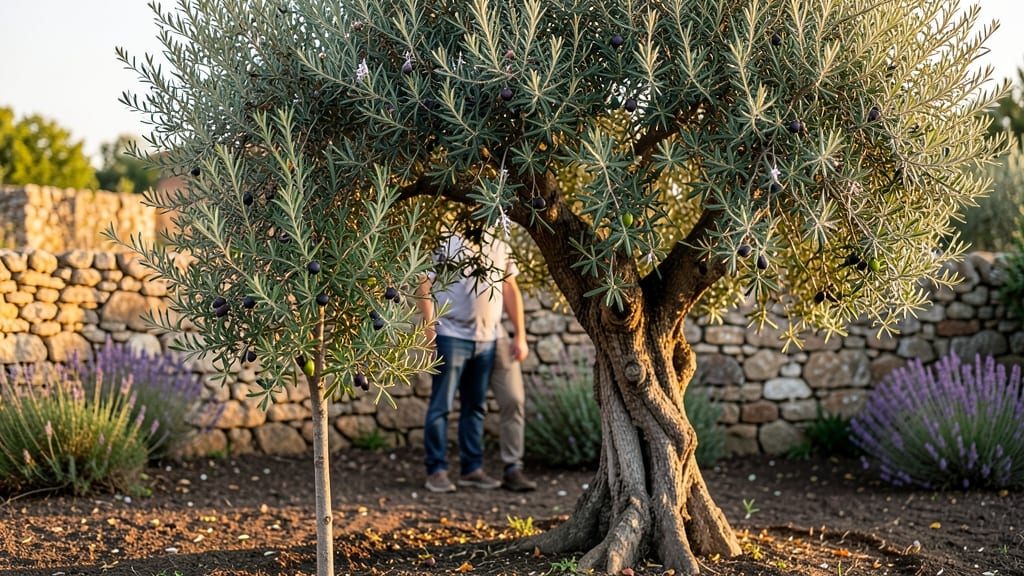
Wondering how tall can an olive tree grow? Without pruning, these trees can reach 50 feet or more, but with the right approach, you can easily shape their size to fit your space.
Picture this: a towering olive tree casting shade over your patio, its branches heavy with fruit—but what if you’d rather keep it compact? The secret lies in choosing the right variety and mastering pruning techniques, which I’ve tested over years of growing my own trees.
From dwarf varieties like 'Little Ollie' that max out at 10 feet to standard types reaching 30+ feet, your climate and pruning habits make all the difference. Below, I’ll break down how to control height naturally, whether you’re growing in a pot or open ground.
You’ll learn which pruning cuts encourage bushier growth, how often to trim for maximum control, and the best time of year to shape your tree without stressing it—so you can enjoy fresh olives without a jungle in your yard.


Natural growth height of olive trees: from dwarf to giant varieties
Olive trees (Olea europaea) are stunning Mediterranean plants with dramatic height potential—some varieties naturally reach 50 feet or more when left unchecked. But don’t let that scare you off!
With the right variety and care, you can grow an olive tree that fits perfectly in your backyard or container garden. The key lies in understanding their genetic growth patterns and how environmental factors influence their height.
Genetics play the biggest role in determining an olive tree’s mature size. Some varieties are bred to stay compact, while others grow tall and majestic. Even within the same species, you’ll find dwarf varieties that top out at 8 feet and standard trees that tower over 30 feet.
Climate, soil quality, and sunlight also affect growth rates, but variety selection is your best tool for controlling height from the start.
| Variety Type | Mature Height | Growth Rate (Annual) | Best For |
|---|---|---|---|
| Dwarf Varieties | 8–15 ft | 6–12 inches | Containers, small yards, patios |
| Semi-Dwarf Varieties | 15–25 ft | 12–24 inches | Medium spaces, urban gardens |
| Standard Varieties | 30–50+ ft | 24–36 inches | Large properties, orchards |
| Little Ollie | 8–12 ft | 8–10 inches | Containers, balconies |
| Arbequina | 10–15 ft | 10–15 inches | Small yards, oil production |
| Frantoio | 20–30 ft | 18–24 inches | Medium gardens, commercial |
| Manzanillo | 30–50 ft | 24–36 inches | Large landscapes, orchards |
Dwarf olive trees, like the 'Little Ollie' or 'Arbequina', are perfect for containers or small spaces. These varieties typically mature between 8–15 feet and grow just 6–12 inches per year.
If you’re dreaming of a patio centerpiece or balcony garden, these are ideal choices. They’re also great for urban gardeners with limited space but still want fresh olives or oil.
Semi-dwarf varieties, such as 'Frantoio' or 'Leccino', strike a balance with heights of 15–25 feet. These grow faster—12–24 inches annually—making them suitable for medium-sized yards or urban homesteads. They’re versatile enough for both ornamental and productive purposes, producing high-quality olives while staying manageable.
Standard varieties like 'Manzanillo' or 'Mission' are the giants of the olive world, capable of reaching 30–50 feet or more. These are best suited for large properties, orchards, or rural settings where space isn’t a concern.
Their rapid growth—24–36 inches per year—means they’ll quickly become a stunning focal point but require regular pruning to maintain a desirable shape.
Climate and growing conditions also influence how tall an olive tree becomes. In Mediterranean climates with hot, dry summers and mild winters, olive trees thrive and grow faster.
Poor soil drainage or cold winters (below 20°F) can stunt growth or even kill the tree, so choose a variety that suits your USDA hardiness zone. For example, 'Arbequina' tolerates cooler zones better than 'Manzanillo', which prefers zones 8–10.
Soil quality matters too. Olive trees prefer well-draining, slightly alkaline soil (pH 6.0–8.0). Heavy clay or sandy soil can slow growth, while rich, loamy soil encourages faster, healthier development.
Amending your soil with compost or sand can help if your native soil is less than ideal. Remember, healthy roots = taller, stronger trees over time.
Sunlight is non-negotiable for olive trees. They need 6–8+ hours of full sun daily to reach their full height potential. In shady conditions, growth slows significantly, and the tree may become leggy or
Pruning techniques to control olive tree height: step-by-step guide
Controlling the height of your olive tree isn’t just about aesthetics—it’s essential for maintaining health, improving fruit production, and keeping your tree manageable. Without proper pruning, even dwarf varieties can grow unruly, while standard varieties can easily become unmanageable giants.
The key lies in understanding three core techniques: heading back, thinning, and structural pruning. Each method serves a unique purpose, and mastering them will give you full control over your tree’s growth trajectory.
Timing is everything when it comes to pruning olive trees. The optimal window is late winter or early spring, just before new growth begins—typically between February and March in most Mediterranean climates. Avoid pruning in late summer or fall, as this can stimulate tender growth that’s vulnerable to frost.
For container-grown trees, you can prune lightly throughout the growing season, but always prioritize the dormant season for major structural adjustments.
Step-by-Step Pruning Guide for Olive Trees
- 1 Gather the right tools: You’ll need sharp bypass pruners for small branches, loppers for thicker limbs, and a pruning saw for any branches over 2 inches in diameter. Always sterilize your tools with rubbing alcohol to prevent disease transmission.
- 2 Assess the tree’s structure: Start by identifying dead, diseased, or crossing branches. These should be removed first, regardless of the tree’s height goals. Look for branches that rub against each other or grow inward—they’ll compete for resources and create weak points.
- 3 Thin the canopy: Remove 10-20% of the tree’s foliage by selectively pruning branches from the inside of the canopy. This improves air circulation and sunlight penetration, which are critical for fruit production and pest control. Focus on branches that grow toward the center of the tree.
- 4 Head back for height control: To reduce height, cut back the terminal buds of the main branches by 1/3 to 1/2 of their length. This encourages the growth of lateral branches, creating a bushier, more compact shape. Avoid cutting back more than 25% of the tree’s height in a single year to prevent stress.
- 5 Shape the tree’s structure: For a formal shape, prune to maintain an open-center or vase shape. Remove any suckers or water sprouts that grow from the base or along the trunk. These compete with the main structure and divert energy away from fruit production.
- 6 Clean up and seal cuts: After pruning, remove all debris from the area to prevent disease. Seal larger cuts (over 1/2 inch in diameter) with pruning sealant to protect against pests and rot. For smaller cuts, let them heal naturally—they’ll callus over time without needing sealant.
One of the most common mistakes I see among new olive tree owners is over-pruning. Cutting back too aggressively can shock the tree, leading to reduced fruit production or even death in extreme cases. Olive trees are resilient, but they’re not invincible.
Another pitfall is pruning at the wrong time, such as during the active growing season, which can stimulate weak, susceptible growth. Always prioritize dormant-season pruning for the best results.
For container-grown olive trees, pruning becomes even more critical since space is limited. In this case, you can prune lightly throughout the growing season to maintain height, but always follow the 10% rule: Never remove more than 10% of the foliage in a single session.
Container trees also benefit from root pruning, where you trim the roots by 10-20% when repotting to encourage a stronger root system and better height control.
Remember, pruning isn’t just about keeping your olive tree small—it’s about encouraging healthy growth and maximizing fruit yield. With the right techniques, you can shape your tree into a stunning, manageable feature that thrives in your garden or patio.
Start with small adjustments and gradually refine your approach as you learn what works best for your specific variety and climate.