
How To
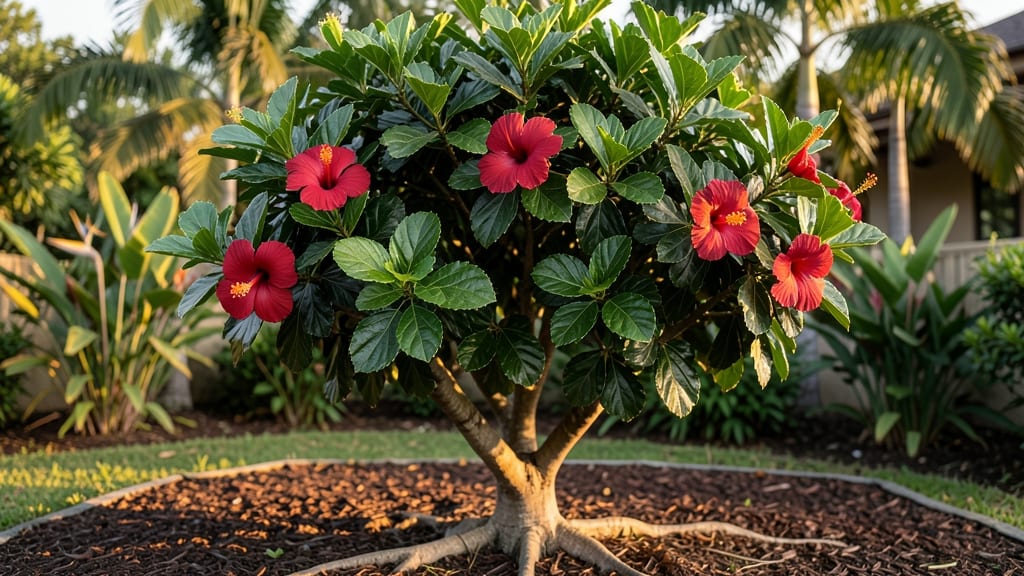
A hibiscus tree can grow anywhere from 6 feet to towering 20 feet tall, depending on the variety and growing conditions.
If you're dreaming of a tropical oasis in your backyard, hibiscus trees can be the stunning centerpiece—but their final height depends entirely on the variety you choose.
Some stay compact enough for containers, while others tower like small trees, creating dramatic focal points. For example, tropical hibiscus varieties like Hibiscus rosa-sinensis often reach 10-15 feet in ideal climates, while hardier types like Hibiscus syriacus might max out around 10-12 feet.
In this guide, I’ll break down the height ranges by variety, how to control growth with pruning, and which factors—like sunlight, soil, and pruning habits—can keep your hibiscus at your preferred size.


Hibiscus tree height by variety: from dwarf to giant species
Choosing a hibiscus variety isn't just about flower color—it's about height control. Some varieties stay under 3 feet perfect for containers, while others reach 20 feet as small trees. This dramatic difference lets you design everything from patio displays to backyard privacy screens using the same plant family.
Your hibiscus's final height depends on its species and growing conditions. Tropical hibiscus (Hibiscus rosa-sinensis) typically grow 6-15 feet tall, while hardy hibiscus (Hibiscus syriacus) can reach 8-12 feet.
Even within species, dwarf cultivars exist that stay under 4 feet—ideal for small spaces or urban balconies.
Here's how 10 popular varieties compare in mature height, growth rate, and ideal spacing to help you plan your landscape design:
| Variety | Mature Height | Growth Rate | Ideal Spacing | Best For |
|---|---|---|---|---|
| Dwarf Red (H. rosa-sinensis) | 3-4 ft | Slow (1-2 ft/year) | 2-3 ft apart | Containers, patios |
| Pinksplendor (H. rosa-sinensis) | 6-10 ft | Moderate (2-3 ft/year) | 6-8 ft apart | Small gardens, borders |
| Blue Chiffon (H. syriacus) | 8-12 ft | Fast (3-4 ft/year) | 8-10 ft apart | Privacy screens, hedges |
| Lady Stanley (H. rosa-sinensis) | 10-15 ft | Moderate (2-3 ft/year) | 10-12 ft apart | Specimen plants |
| Helene (H. syriacus) | 12-15 ft | Fast (3-4 ft/year) | 10-12 ft apart | Large landscapes |
| Tropical Sunset (H. rosa-sinensis) | 15-20 ft | Moderate (2-3 ft/year) | 15-20 ft apart | Tropical backdrops |
| Minima (H. rosa-sinensis) | 2-3 ft | Slow (1 ft/year) | 1-2 ft apart | Bonsai, containers |
| Annabelle (H. moscheutos) | 4-6 ft | Moderate (1-2 ft/year) |
How to control hibiscus tree height: pruning, training & container gardeningManaging your hibiscus tree height is all about timing and technique. Whether you want a compact bush or a tall tropical specimen, pruning and training methods give you full control. The key is understanding when to prune—early spring for shaping or late winter for size control—and how to encourage bushier growth for fuller blooms. For container-grown hibiscus, dwarf varieties like 'Dwarf Red' thrive in 5-gallon pots with regular pruning, while standard types need 15+ gallon containers to prevent root-bound stress. Always use well-draining soil and containers with drainage holes to avoid soggy roots, which stunt growth and invite pests.
To encourage bushier growth, focus on lateral branches—cut back the main stem by 1/2 to 1/3 in early spring. This prompts the plant to send out multiple side shoots, creating a fuller, more compact shape. For taller varieties, like Hibiscus syriacus, prune less aggressively to maintain their natural height and structure. If you're growing hibiscus in containers, choose varieties like 'Lima' or 'Pinks', which stay under 6 feet tall with regular pruning. Use fabric grow bags for better aeration and add a slow-release fertilizer in spring to support compact growth. Always place containers in full sun—at least 6 hours daily—to prevent leggy, weak stems. Remember, hibiscus trees grow 1-2 feet per year under ideal conditions. With the right pruning and training, you can easily manage their height—whether you want a bushy border plant or a tall backyard focal point. Start small, observe how your plant responds, and adjust your approach as needed. |