
How To
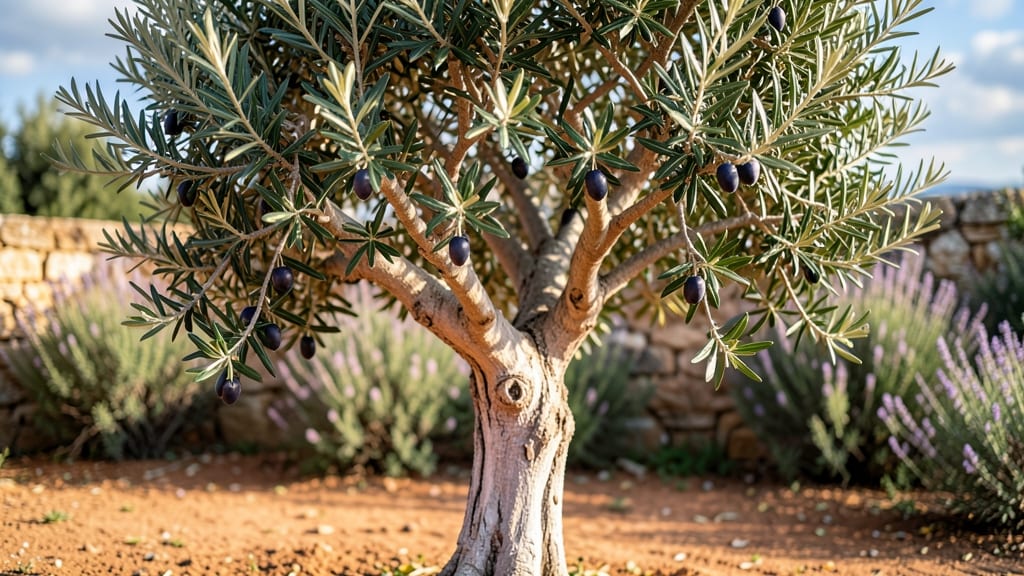
An olive tree 🫒 can grow anywhere from 8 feet to over 50 feet tall, depending on the variety and how you care for it—so your space plans might need a serious reality check before you plant.
Picture this: a dwarf variety thriving in a pot on your patio, while a standard tree stretches toward the sky like a Mediterranean sentinel. The difference isn’t just in the roots—it’s in the pruning, the soil, and even the climate where you live.
If you’re wondering whether your backyard can handle a 30-foot giant or if a 6-foot container tree is your best bet, we’ve got the breakdown.
You’ll learn which varieties stay small, how pruning shapes their future height, and why some olive trees in California reach skyscraper heights while others in cooler zones stay modest.
By the end, you’ll know exactly how much space to leave for your olive tree—and whether to start small or go big. Let’s dig in.


Olive tree height by variety: dwarf vs standard vs giant sizes
Choosing the right olive tree variety starts with understanding their mature heights, which can range from 3 feet in dwarf varieties to over 50 feet in standard types. Your garden's space, climate, and intended use—whether for containers, landscapes, or orchards—will determine which variety suits you best.
Let’s break down the most popular olive tree varieties by size and growth habits to help you plan your planting strategy.
Olive trees are classified into three main height categories: dwarf (under 10ft), semi-dwarf (10-25ft), and standard (30ft+). Dwarf varieties are ideal for urban gardens or patios, while standard varieties dominate rural landscapes and commercial orchards.
The key to managing their height lies in pruning techniques, soil quality, and sunlight exposure—all factors we’ll explore in detail below.
If you’re growing olive trees in containers or small spaces, dwarf varieties like Ar
Climate and pruning factors that affect olive tree height
Your olive tree’s height potential depends heavily on its climate zone and how you prune it. In Mediterranean climates—like California or Spain—olive trees thrive year-round, growing 3-5 feet annually under ideal conditions.
But in cooler regions (USDA Zones 7-9), growth slows during winter, capping mature heights at 20-30 feet instead of 50+ feet.
Wind exposure also plays a role. Coastal areas with salty breezes stunt vertical growth, forcing trees to spread wider for stability. Meanwhile, sheltered inland spots encourage taller, straighter trunks. Understanding these factors helps you predict—and control—your tree’s final stature.
🌱 Key Takeaway: Olive Tree Height by Climate & Pruning
30-50 ft
20-30 ft
8-12 ft
Can reduce height by 30-50%
Height varies by variety, soil, and sunlight. Prune annually in late winter for best control.
Pruning is your best tool to manage height naturally. In Mediterranean regions, prune after harvest (late fall/winter) to shape the tree before spring growth. Use the open-center method—removing 1/3 of new growth annually—to encourage a balanced canopy and prevent overgrowth.
For cooler climates, time pruning to early spring (just before buds swell) to avoid frost damage. Focus on removing water sprouts and thinning dense branches to improve airflow. Over-pruning can stress the tree, so never cut more than 25% of foliage in one session.
Seasonal growth cycles also matter. Olive trees grow most in spring and summer, with minimal activity in fall and winter. If you live in a Zone 8-9, prune in February-March to capitalize on this growth surge.
In Zone 7 or colder, delay until April to avoid late frosts.
Wind-prone areas? Prune to reinforce the trunk by removing weak, leaning branches. This reduces wind resistance and prevents storm damage. For container-grown trees, top-pruning (cutting the central leader) encourages bushier growth, keeping heights under 6-8 feet—ideal for patios.
Remember: Olive trees grow slowly—expect 1-2 feet of height gain per year in optimal conditions. With consistent pruning and climate awareness, you can shape your tree to fit any space, from a backyard centerpiece to a container on your balcony. 🌿