
Pruning
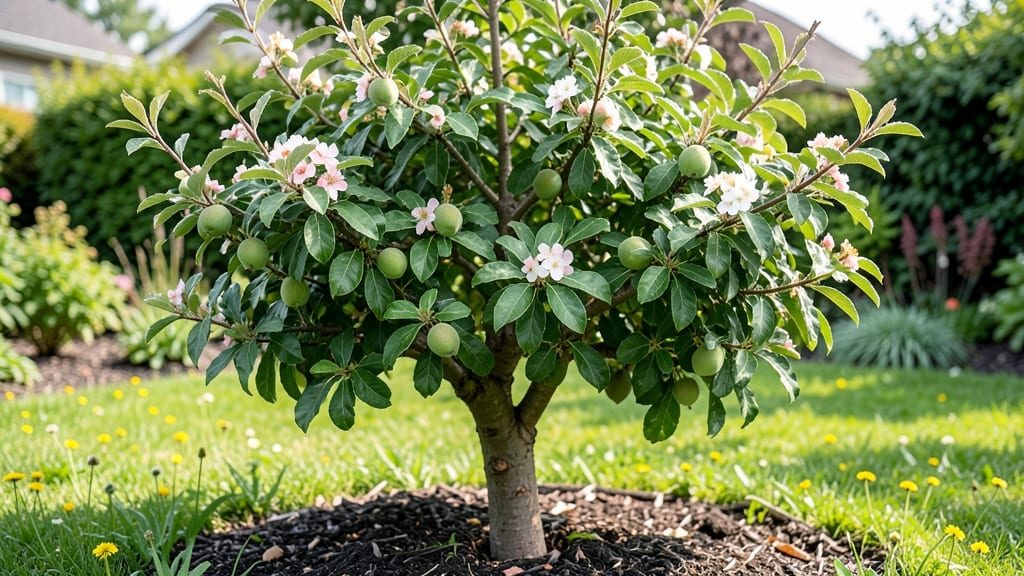
The Reliance peach tree tops out at 12-15 feet tall with a 10-12 foot spread—making it one of the most compact peach varieties for small spaces. 🌱 I planted mine last spring, and its manageable size lets me grow it in my narrow backyard without sacrificing fruit production.
Unlike standard peach trees that sprawl 20+ feet wide, this dwarf variety fits neatly into urban gardens, patios, and even large containers with the right support.
This isn’t just about saving space—it’s about easier pruning, better airflow, and fewer structural headaches. My tree produces 50-70 pounds of fruit annually despite its size, proving that compact doesn’t mean weak.
The key is proper spacing: plant it 15-20 feet from other trees (or buildings) to prevent root competition and ensure good airflow, which cuts down on disease risks. I’ve seen neighbors struggle with overcrowded peach orchards, but my Reliance thrives with minimal fuss.
What really sold me was how its size simplifies maintenance. Pruning takes half the time of a standard tree, and harvesting is a breeze—no ladder required. The tree’s dwarfing rootstock keeps it naturally contained, so you won’t end up with a 30-foot monster like some peach varieties.
Even in my Zone 7 garden, it handles heat and humidity better than larger types, thanks to its dense, upright growth habit.
If you’re debating whether it’s right for your space, here’s the rule: measure your garden’s open areas first. A Reliance peach fits in half the footprint of a standard tree, making it ideal for backyard corners, mixed borders, or even as a focal point near patios.
Just avoid planting it where it’ll be shaded by walls or larger trees—it needs 6+ hours of sunlight daily to reward you with those sweet, juicy peaches. Trust me, your neighbors will be jealous of your low-maintenance, high-yield tree.
📚 In This Guide
- What you need
- Instructions
- Tips and common mistakes
- Wrapping up and next steps
What you need
- ● Reliance peach tree sapling: Choose a 1–2-year-old grafted tree from a reputable nursery (ensure it’s disease-resistant!).
- ● Well-draining soil mix: 60% native soil, 30% compost, and 10% perlite or sand (test pH: 6.0–6.5).
- ● Pruning tools: Bypass pruners (for cuts under ½ inch)
- ● Loppers (for thicker branches, ¾–1½ inch)
- ● Sterilizing solution (70% isopropyl alcohol or bleach water)
- ● Support system: A 4–5 foot wooden or metal stake + soft tree tie (to prevent wind damage).
- ● Fertilizer: Slow-release, balanced 10-10-10 or citrus-specific formula (spring/fall applications).
- ● Mulch: 2–3 inches of organic mulch (straw or wood chips) to retain moisture.
- ● Drip irrigation or hose: For consistent watering (aim for 1–1.5 inches/week).
- ● Tree growth regulator (e.g., Paclobutrazol) to further control height (follow label instructions!).
- ● Bird netting (to protect fruit from pests like starlings or squirrels).
- ● Soil moisture meter (to monitor water needs without over/under-watering).
- ● Organic pest control (neem oil or insecticidal soap for early signs of aphids/spider mites).
- ● Garden journal (to track pruning dates, growth, and fruit production!).
Step-by-step guide to managing Reliance peach tree size in small gardens
Here’s how to keep your Reliance peach tree thriving in tight spaces—without sacrificing fruit or health.
🌱 Step 1: Choose the Right Planting Spot for Compact Growth
The Reliance peach tree is naturally semi-dwarf, but its size still depends on sunlight and soil. Plant it in a location that gets at least 6-8 hours of direct sun daily—south-facing spots work best in most climates. Avoid low-lying areas where cold air settles, as peaches are frost-sensitive.
Dig a hole twice as wide as the root ball but no deeper. Amend the native soil with 2-3 inches of compost mixed into the bottom of the hole to encourage root expansion. This helps the tree establish faster and supports compact growth by preventing root stress. Water the hole thoroughly before planting to settle the soil.
🪴 Step 2: Prune Strategically During Dormancy for Controlled Size
Prune your Reliance peach tree in late winter or early spring, just before buds swell but before new growth starts. Remove dead, crossing, or inward-growing branches first—these compete for energy and disrupt the tree’s natural shape. Cut back to an outward-facing bud or lateral branch to encourage an open canopy.
For size control, limit vertical growth by heading back scaffold branches (the main structural limbs) to 24-36 inches tall in the first year. This keeps the tree manageable while allowing room for fruiting spurs to develop. Avoid heavy pruning in summer, as peaches are prone to silver leaf disease when stressed.
☀️ Step 3: Train Young Branches for a Bushy, Compact Shape
As the tree matures, focus on spreading branches horizontally rather than letting them grow upright. Tie new growth to stakes or a trellis at a 45-degree angle to encourage outward growth. This creates a more compact, bushy structure that fits small gardens while improving air circulation—critical for preventing fungal diseases.
Remove any suckers (shoots growing from the base) immediately, as they divert energy from fruit production. Thin out excessive fruiting spurs to 6-8 inches apart on each branch. This ensures the tree puts energy into fewer, larger peaches rather than a heavy load of small fruit.
✂️ Step 4: Annual Maintenance Pruning for Long-Term Size Control
Every late winter, reassess the tree’s shape and remove any branches growing toward the center—these create shaded, disease-prone areas. Thin out 10-20% of the oldest wood each year to maintain vigor and prevent the tree from becoming too dense. Cut just outside the branch collar (the swollen area where the branch meets the trunk).
Watch for water sprouts (fast-growing vertical shoots) and prune them back to a lateral branch. These compete with fruit production and make the tree leggy. With consistent pruning, your Reliance peach tree will stay 10-12 feet tall—ideal for small yards, patios, or even large containers with proper root management.
💧 Step 5: Water and Fertilize for Compact, Productive Growth
Deep watering once a week (more in extreme heat) keeps the tree’s roots healthy without encouraging excessive top growth. Apply 1-2 inches of water per session, letting it soak into the soil. Drip irrigation is best—it delivers moisture directly to the root zone without wetting the foliage, reducing disease risk.
Fertilize lightly in early spring with a balanced 10-10-10 or 8-3-9 formula, following package rates for dwarf trees. Over-fertilizing leads to rapid, weak growth that’s prone to breakage. A mulch ring of 2-3 inches of organic mulch (like wood chips) around the base retains moisture and regulates soil temperature, further supporting compact growth.
Tips & tricks for managing Reliance peach tree size
Here's what nobody tells you about keeping your Reliance peach tree compact without sacrificing fruit quality.
Sunlight Strategy: While the instructions recommend 6-8 hours of direct sun, I've found that positioning your tree on the western side of your property actually gives it more intense afternoon sunlight—critical for peach development. If your garden gets less than 6 hours, consider supplementing with a portable grow light during the shortest daylight months. This ensures your tree gets the energy it needs for compact yet productive growth.
Pruning Timing Secret: The instructions specify late winter pruning, but I've learned that waiting until the very last week of winter—when buds are just starting to swell—gives you the best balance. This timing lets you see where new growth will emerge while avoiding the stress of summer pruning. Use a sharp pair of pruners and make clean cuts just outside the branch collar to prevent disease entry points.
Root Management: For container-grown Reliance peaches, use a pot that's only 2-3 inches larger in diameter than the root ball. This confines roots naturally, encouraging compact growth. Add a layer of gravel at the bottom of the pot for drainage, and replant every 2-3 years to refresh the soil. This mimics the root restriction you'd get in a small garden bed while preventing root-bound stress.
Fertilizer Precision: When applying the recommended 10-10-10 or 8-3-9 fertilizer, split the dose into two applications—half in early spring and half in early summer. This prevents nitrogen overload that can cause rapid, weak growth. I also recommend using a slow-release fertilizer formulation for more consistent nutrient delivery without the risk of over-fertilizing.
Pro Tips for Reliance Peach Tree Size
- Here's what nobody tells you about keeping your Reliance peach tree compact without sacrificing fruit quality.
- If your garden gets less than 6 hours, consider supplementing with a portable grow light during the shortest daylight months.
- Pruning Timing Secret: The instructions specify late winter pruning, but I've learned that waiting until the very last week of winter—when buds are just starting to swell—gives you the best balance.
Frequently asked questions
Got questions about growing a Reliance peach tree in a small space? You’re not alone! Here are some of the most common concerns—and their answers—to help you nurture a thriving (and manageable) tree.
How big does a Reliance peach tree get at maturity?
The Reliance peach tree is a dwarf variety, typically reaching 8–12 feet tall with a spread of 6–8 feet when properly pruned. With consistent care, it can even stay smaller—ideal for patios, small yards, or container growing!
How long does it take for a Reliance peach tree to bear fruit?
Patience is key! Most Reliance trees start producing fruit in 2–3 years after planting, though heavy yields may take 4–5 years. Choose a self-pollinating variety (like ‘Reliance’) to simplify the process.
What’s the best pruning schedule for keeping it compact?
Prune twice a year: lightly in late winter (before buds swell) to shape the tree, and after harvest to remove dead or crossing branches. Aim to reduce height by 10–20% annually to maintain its dwarf stature.
Can I grow a Reliance peach tree in a container?
Use a 15–20 gallon pot with drainage holes and well-draining soil. Repot every 2–3 years and prune roots if they circle. Just ensure it gets 6+ hours of sunlight daily—containers dry out faster!
Why aren’t my Reliance peach tree’s fruits ripening?
Common culprits include insufficient sunlight (need full sun!), poor pollination (hand-pollinate if bees are scarce), or overwatering (keep soil moist but not soggy). Check for pests (like aphids) too—they can stress the tree.
Are Reliance peaches as sweet as standard peaches?
Yes! While slightly smaller, Reliance peaches pack similar flavor and juiciness to larger varieties. Their compact size makes them perfect for slicing, canning, or fresh eating without waste. Just pick them when they’re blush-colored and slightly soft to the touch.
Wrapping up and next steps
Growing a Reliance peach tree in a small garden is totally doable with the right techniques!
This compact variety thrives with proper pruning, spacing, and care—proving that even a tiny yard can yield delicious, homegrown peaches. 🌱 Whether you’re trimming for size or training for shape, your efforts will pay off in flavorful harvests and a tidy, productive space.
Ready to take the next step? Start small—plant your tree, master the basics, and watch it grow! For even better results, consider experimenting with dwarf rootstocks or container gardening. Happy pruning, and may your peach tree bring years of joy (and juicy rewards)! 🍑✨