
Container Gardens
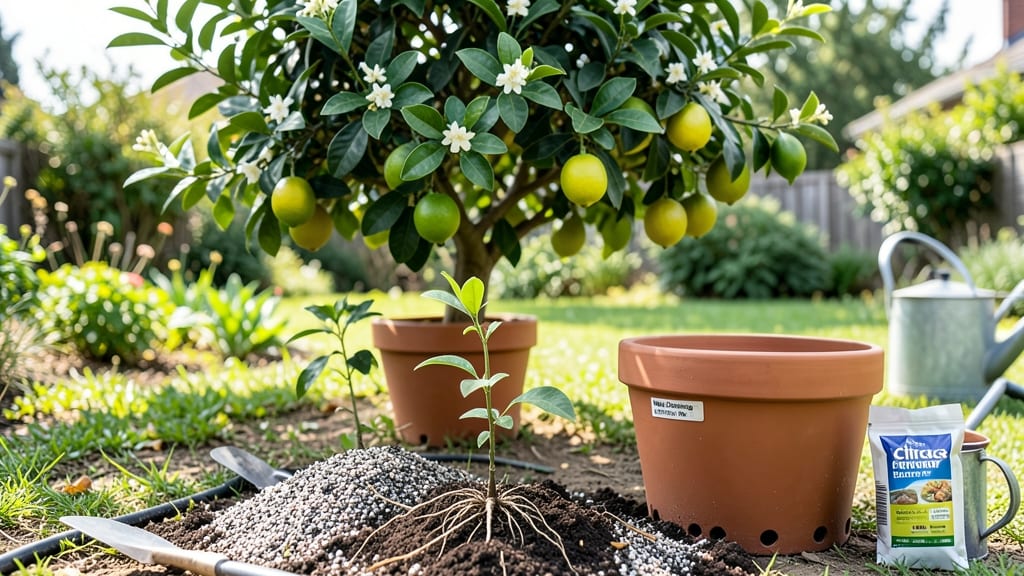
Planting a Meyer lemon tree in a pot unlocks sunshine on your patio all year long. 🌱 The secret to success starts with a container at least 15 gallons—anything smaller will stunt growth and fruit production.
I learned this the hard way after my first tree struggled in a cozy 7-gallon pot, leaving me with tiny leaves and no lemons by winter.
You'll need well-draining soil mixed with perlite or sand, a pot with drainage holes, and a sunny spot getting 6-8 hours of light daily**. The right setup prevents root rot and keeps your tree thriving even in small spaces.
Most nurseries sell pre-mixed citrus soil, but adding compost boosts flavor and sweetness in those prized lemons.
Once planted, your tree will reward you with glossy new leaves within weeks. Consistent watering—keeping soil moist but never soggy—is key, especially in summer. By year two, you'll taste your first homegrown Meyer lemons, their fragrant peel and tangy-sweet juice worth every bit of patience.
This method works for patios, balconies, or even sunny windowsills with grow lights. The same principles apply whether you're in Zone 8 or a cooler climate with winter protection. Here's how to set it up right from the start—no citrus-growing experience required.
📚 In This Guide
- What you need
- Instructions
- Tips and common mistakes
- Wrapping up and next steps
What you need
- ● Meyer lemon tree: A healthy 1- to 3-gallon container-grown sapling (check for vibrant green leaves and no signs of pests).
- ● Pot: A 5-gallon or larger container with drainage holes (minimum 12–18 inches in diameter). Terracotta or fabric pots work best.
- ● Well-draining potting mix: A blend of 50% high-quality citrus potting soil, 30% perlite or pumice, and 20% compost (avoid garden soil—it compacts and suffocates roots!).
- ● Drainage tray or saucer: To catch excess water and prevent root rot.
- ● Slow-release citrus fertilizer: Look for one with a balanced NPK ratio (e.g., 6-6-6 or 10-10-10) or a specialized citrus blend.
- ● Watering can with a narrow spout: For precise watering without over-saturating the soil.
- ○ Mulch (optional but helpful): A light layer of orchid bark or pine fines to retain moisture and regulate temperature.
- ● Moisture meter: To monitor soil hydration and avoid over/under-watering.
- ● Citrus-specific foliar spray: For occasional nutrient boosts (e.g., seaweed extract or chelated iron).
- ● Support stake or small trellis: If your tree grows tall (Meyer lemons can reach 6–10 feet indoors!).
- ● Grow lights (LED or fluorescent): For winter months if natural light is limited (12–14 hours/day).
- ● Pest control (neem oil, insecticidal soap): A proactive measure against spider mites or aphids.
Step-by-step instructions for planting a Meyer lemon tree in a pot
Here's how I've successfully grown Meyer lemon trees in containers for years—no greenhouse needed.
🪴 Step 1: Choose the Right Container and Drainage
Start with a pot that's at least 12 inches wide and deep for your first tree, since Meyer lemons need room to establish their roots. I use terra cotta because it breathes and helps prevent overwatering, but any container with drainage holes works. If your pot doesn't have holes, drill them yourself—lemon trees hate soggy feet.
Place a layer of 3-4 inches of gravel or broken pottery at the bottom. This creates an air pocket that prevents root rot, which is a common killer of container-grown citrus. The gravel should fill about a third of the pot's depth before adding soil.
🌱 Step 2: Prepare Well-Draining Soil Mix
Meyer lemons need soil that drains quickly but retains enough moisture to stay slightly damp. Mix 60% potting soil with 30% perlite or coarse sand and 10% compost to create the perfect blend. Avoid garden soil—it compacts too easily and can suffocate roots.
Fill the pot about halfway with your mix, leaving room for the root ball. Gently press the soil down to remove air pockets, but don't compact it too tightly. The soil should feel like a damp sponge—if it crumbles easily when squeezed, you're good to go.
✂️ Step 3: Plant and Position for Light
Remove the lemon tree from its nursery pot and gently loosen the roots if they're circling. Place it in the center of your container, making sure the top of the root ball sits just below the soil line. Fill in around the roots with your soil mix, pressing lightly as you go to eliminate air gaps.
Meyer lemons crave 6-8 hours of direct sunlight daily. Place your pot near a south-facing window or under a grow light if natural light is limited. If you notice leaves turning pale or stems stretching toward the light, your tree needs more brightness—move it closer to the window or supplement with a grow light.
💧 Step 4: Water and Fertilize Properly
Water your newly potted lemon tree until water drains freely from the bottom holes. Let it drain completely—you want the soil to be moist but not waterlogged. I check moisture by sticking my finger 1-2 inches into the soil. If it feels dry, it's time to water again.
Feed your tree with a balanced citrus fertilizer every 4-6 weeks during the growing season (spring through fall). In winter, reduce feeding to once every 8-12 weeks, as growth slows. Over-fertilizing can burn roots, so always follow package instructions carefully.
☀️ Step 5: Maintain Temperature and Humidity
Meyer lemons thrive in temperatures between 60-85°F. If your home dips below 50°F at night, move the pot to a warmer location or use a space heater nearby. Cold drafts from windows or doors can shock the tree and cause leaf drop.
Humidity is key—these trees love it! Place the pot on a tray filled with pebbles and water, or mist the leaves lightly every few days. You'll know the humidity is right when the leaves stay glossy and don't develop brown tips. If you see crispy edges, increase humidity immediately.
Tips & tricks for planting a Meyer lemon tree in a pot
Here's what nobody tells you about growing citrus indoors—these tricks make all the difference between a struggling plant and a thriving tree.
Container Size Matters: That 12-inch minimum pot is non-negotiable for your first year, but here's the thing: if you see roots circling the bottom after 12 months, it's time to upgrade to a 15-18 inch pot. I've seen Meyer lemons outgrow their containers in just 9 months if they're happy! The extra space gives roots room to explore, which translates to more fruit later.
Soil Mix Secrets: When mixing your 60% potting soil, 30% perlite, and 10% compost, here's my pro move: add a handful of worm castings to that compost. The extra nutrients give your tree a head start, and the microbial activity keeps roots healthy. If you can't find worm castings, a sprinkle of citrus-specific fertilizer mixed into the soil at planting time works too.
Light Positioning Hack: Those 6-8 hours of direct sunlight are critical, but don't just place the pot anywhere sunny. Rotate your tree a quarter turn every week so all sides get even light exposure. This prevents lopsided growth and ensures your tree stays compact and sturdy. I mark the rotation direction with a piece of tape on the pot rim to keep track.
Winter Care Strategy: When temperatures dip below 50°F at night, move your tree to a warmer spot—but don't overdo it. A sunny windowsill above 60°F is perfect. I've found that placing the pot on a heat mat (set to low) during cold snaps prevents temperature shock. Just make sure the pot still has drainage, even with the mat.
Pro Tips for Plant A Meyer Lemon Tree In A Pot
- Here's what nobody tells you about growing citrus indoors—these tricks make all the difference between a struggling plant and a thriving tree.
- Container Size Matters: That 12-inch minimum pot is non-negotiable for your first year, but here's the thing: if you see roots circling the bottom after 12 months, it's time to upgrade to a 15-18 inch pot.
- Soil Mix Secrets: When mixing your 60% potting soil, 30% perlite, and 10% compost, here's my pro move: add a handful of worm castings to that compost.
Frequently asked questions
Got questions about growing Meyer lemons in pots?
You’re not alone! Here are answers to the most common concerns—so you can confidently start your citrus adventure.
When is the best time to plant a Meyer lemon tree in a pot?
The ideal time is late spring or early summer (after the last frost) when temperatures are consistently warm (above 60°F). If you’re in a mild climate, you can plant in early spring—just avoid winter, as cold stress can harm young roots. For container growers, timing matters less than warmth!
How big should the pot be for a Meyer lemon tree?
Start with a 5-gallon pot (18–24 inches wide) for young trees, but Meyer lemons thrive in larger containers as they grow. Aim for at least 3–5 gallons of soil per foot of tree height. Use drainage holes and a pot with sturdy sides—these trees get heavy with fruit!
Why isn’t my Meyer lemon tree producing fruit?
Patience is key—Meyer lemons often take 2–3 years to bear fruit in pots. Common reasons for no fruit include:
Try hand-pollinating flowers with a small brush if your tree blooms but doesn’t set fruit. Yes, but with careful conditions! Place it near a south-facing window or use grow lights (12–14 hours/day). Keep humidity high (use a pebble tray) and maintain 60–85°F temps. In winter, avoid drafts—Meyer lemons hate cold! If outdoors isn’t an option, a sunroom or greenhouse works best. Yellow leaves usually signal overwatering, underwatering, or nutrient issues. Check:
Adjust care and monitor for 1–2 weeks—healthy leaves should return!
Can I grow a Meyer lemon tree indoors year-round?
What do I do if my Meyer lemon tree’s leaves turn yellow?
Wrapping up and next steps
Growing a Meyer lemon tree in a pot is a rewarding journey that brings fresh citrus to your doorstep—literally! 🌱 With the right container, soil, sunlight, and care, you’ll enjoy fragrant blooms, tangy lemons, and a thriving indoor or outdoor garden.
Remember: patience and consistency are key, but the sweet (and zesty!) results make it all worthwhile.
Ready to take the next step? Start small—plant your tree, nurture it with love, and soon you’ll be harvesting lemons year-round. Pro tip: Share your progress with fellow plant lovers for extra motivation! 💬✨