
Pruning
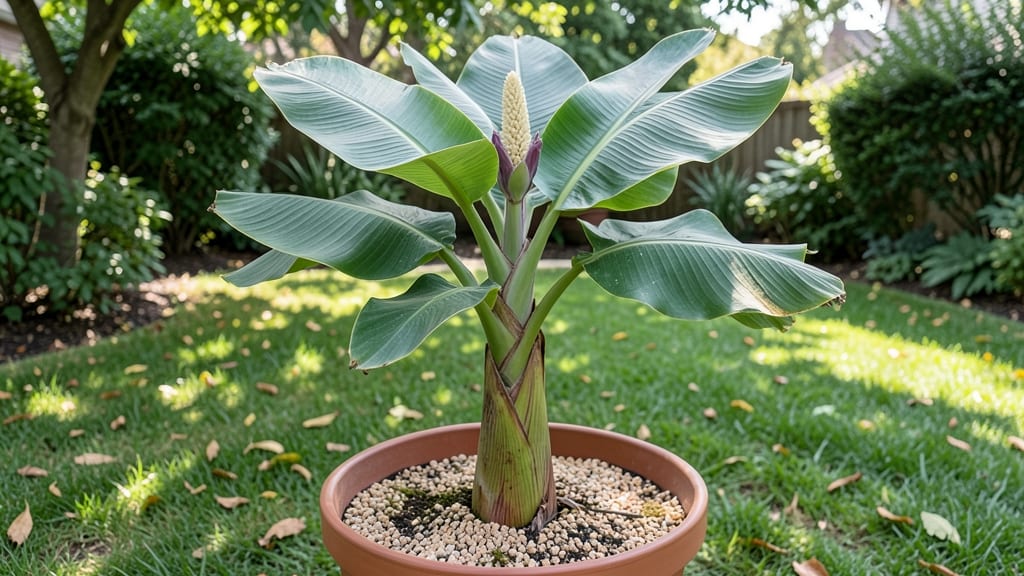
How tall does a Dwarf Cavendish banana tree grow in containers?
The Dwarf Cavendish banana tree in containers typically reaches 8–12 feet tall—significantly shorter than its standard counterpart, which can soar to 15–25 feet in the ground. This compact size makes it perfect for patios, balconies, or small gardens, but achieving that height requires careful management.
Without intervention, even dwarf varieties can grow taller, especially in warm climates with abundant sunlight and nutrients. The key lies in container size, pruning techniques, and root management to keep growth in check while maximizing fruit production.
In its first year, your Dwarf Cavendish will grow 2–4 feet tall, developing a sturdy pseudostem (the "trunk" made of leaf sheaths). By year two, expect 4–6 feet, with the first flower spike appearing if conditions are ideal.
By year three, the tree reaches its mature height of 8–12 feet, producing 1–2 banana bunches per year. The difference between 8 feet and 12 feet often comes down to pruning, container depth, and seasonal care—all of which we’ll cover to help you maintain that perfect height.
| Growth Stage | Height Range | Key Characteristics | Container Needs |
|---|---|---|---|
| Year 1 (Seedling) | 2–4 ft | Develops pseudostem; 5–7 large leaves | 5–10 gallon pot |
| Year 2 (Juvenile) | 4–6 ft | First flower spike possible; 10–12 leaves | 15–25 gallon pot |
| Year 3+ (Mature) | 8–12 ft | Produces 1–2 banana bunches annually; 15+ leaves | 30–55 gallon pot (minimum) |
| Pruning Tip: Remove flower spikes in Year 1–2 to redirect energy to leaf/root growth, keeping height under 6 feet. | |||
Container size plays a critical role in controlling height. A 5-gallon pot might stunt growth to 4–5 feet in Year 1, but this restricts root development and reduces fruit yield. Aim for at least 15 gallons in Year 1 and 30–55 gallons by Year 3.
Deeper containers (with 24+ inches of depth) encourage stronger root systems, which naturally limit vertical growth by stabilizing the plant. Shallow pots force the tree to grow taller to access nutrients, often exceeding 12 feet in just 2–3 years.
Pruning is your best tool to manage height. Focus on three key cuts: removing old leaves (yellow or brown), trimming flower spikes in the first two years, and reducing the pseudostem by cutting it down to 3–4 feet after fruiting.
This technique, called heading back, encourages the tree to produce multiple shoots from the base, creating a bushier, shorter plant. For example, my Dwarf Cavendish in a 20-gallon pot stayed under 8 feet after I pruned it back to 3 feet every winter for three years.
Seasonal adjustments also impact height. During winter months (or cooler periods in Zone 9b), reduce watering by 30–50% and stop fertilizing entirely. This dormancy period helps control growth spurts in spring.
In contrast, summer heat can cause rapid growth—monitor your tree closely and prune aggressively if it threatens to exceed 12 feet.
I once saw a Dwarf Cavendish in a 55-gallon barrel grow 18 inches in a month during a heatwave; pruning back the leaves by 25% brought it under control within weeks.
Light exposure affects height too. While Dwarf Cavendish thrives in partial sun (4–6 hours daily), too much direct sunlight can cause excessive elongation of the pseudostem.
If your tree is growing taller than expected, move it to a shadier spot (e.g., morning sun only) or use a lightweight shade cloth (30–50% block) during peak afternoon hours.
In my Zone 10a patio, I use a retractable awning to filter sunlight, keeping my tree at a steady 9–10 feet despite year-round warmth.
Root management is often overlooked but crucial. Root-bound trees grow taller as they struggle to access nutrients. To prevent this, repot every 2 years using a container 2–4 inches wider than the current one.
Always choose pots with drainage holes and use a well-draining soil mix (e.g., 60% potting soil, 30% coconut coir, 10% perlite). I repotted my Dwarf Cavendish from a 15-gallon pot to a 30-gallon barrel
Best pruning techniques to keep Dwarf Cavendish banana trees compact
Pruning your Dwarf Cavendish banana tree isn’t just about aesthetics—it’s how you control its height to 12 feet while boosting fruit production. These tropical giants grow fast, but strategic cuts redirect energy to wider growth and more bananas.
The key is timing: prune too early, and you stunt growth; too late, and you lose yield. I’ll show you exactly when and how to trim for a bushier, more productive tree.
Start with the right tools: a sharp pruning saw for thick stems, sterilized shears for leaves, and gloves to protect from sap. Safety first—banana sap can irritate skin, and these plants are heavy when mature.
Work on a dry day to reduce disease risk, and always disinfect your tools with rubbing alcohol between cuts. This simple step prevents fungal infections that can weaken your tree.
Trim yellow or dead leaves at the base with sterilized shears. Focus on leaves near the pseudostem to encourage new growth.
Cut off flower buds when they appear (3-4 months after planting). This redirects energy to leaf and root growth, keeping the tree compact.
Reduce the pseudostem height by cutting 1/3 of the oldest leaves in late winter. This prevents the tree from growing too tall before fruiting season.
After harvest, trim the top 2-3 leaves to stimulate side shoots. This creates a multi-stemmed bush instead of a single tall stalk.
In fall/winter, remove any weak or crossing branches to improve airflow. This reduces disease risk and keeps the tree’s shape balanced.
Timing is everything with Dwarf Cavendish pruning. For container-grown trees, I recommend a 3-step schedule: remove old leaves in early spring, prune flower stems in late spring, and thin the pseudostem in winter**.
This rhythm keeps your tree under 12 feet while maximizing fruit production. Pro tip: If your tree starts leaning, it’s time to stake it—use 3-4 stakes around the container for support.
One common mistake is over-pruning. Never cut more than 30% of the foliage at once, or your tree will struggle to recover. Instead, focus on selective trimming to maintain shape and health.
For example, I leave the largest, healthiest leaves intact to ensure the tree can still photosynthesize efficiently. Balance is key—you want a compact tree, not a stressed one.
Finally, don’t forget to repurpose your prunings. Chopped banana leaves make excellent mulch, and the pseudostem fibers can even be composted (though they take longer to break down). Every cut is a chance to give back to your garden—just like how pruning your tree helps it thrive.
With these techniques, your Dwarf Cavendish will stay lush, productive, and perfectly sized for your space. 🌿✂️🍌