
Pruning
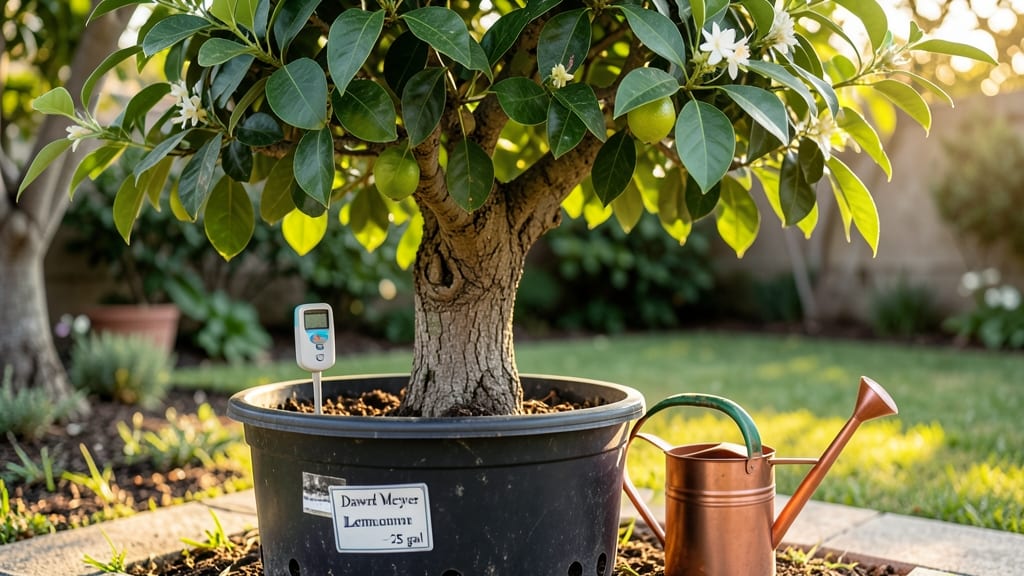
A 25-gallon tree size is your secret weapon for transforming small spaces into lush, stylish landscapes without sacrificing curb appeal.
Picture this: a 🌳 that fits your patio or front yard but still makes a bold statement—no more sacrificing greenery for lack of space. The right 25-gallon tree grows into a mature beauty while keeping roots contained, making it perfect for urban gardens or tight yards.
From dwarf fruit trees to ornamental evergreens, these compact giants offer versatility. They mature in 3-5 years but start delivering shade, privacy, or seasonal color almost immediately—ideal for renters, small lots, or anyone who wants impact without the wait.
Below, I’ll break down the best 25-gallon tree varieties for your climate, how to plant them for long-term success, and pro tips to keep them thriving in containers or in-ground. Ready to design with purpose?


Best 25-Gallon trees for small yards by growth habit
Transforming your small yard into a lush oasis doesn't require sacrificing space for beauty. A 25-gallon tree size gives you the perfect solution—compact yet impactful trees that thrive in containers while delivering year-round interest.
These space-saving varieties mature under 15 feet tall, making them ideal for patios, balconies, or tight garden corners. Whether you crave vibrant blooms, lush foliage, or seasonal color changes, there's a container-friendly tree that fits your vision.
I've curated this list based on growth habits, sunlight needs, and maintenance requirements to help you find the perfect match for your space. From evergreen privacy screens to floral showstoppers, these trees prove that big impact doesn't need big footprints.
The key is selecting a 25-gallon specimen with controlled growth patterns and proper care techniques to keep it thriving in its container.
| Tree Type | Mature Height | Sunlight Needs | Water Needs | Key Features |
|---|---|---|---|---|
| Dwarf Japanese Maple (Acer palmatum) | 8-12 ft | Partial shade | Moderate | Stunning foliage, colorful fall leaves, slow-growing |
| Dwarf Alberta Spruce (Picea glauca 'Conica') | 10-15 ft | Full sun | Low | Evergreen, dense foliage, drought-tolerant |
| Crape Myrtle (Lagerstroemia) | 10-12 ft | Full sun | Moderate | Summer blooms, exfoliating bark, heat-tolerant |
| Dwarf Meyer Lemon (Citrus meyeri) | 8-10 ft | Full sun | High | Fragrant flowers, edible fruit, needs winter protection |
| Japanese Black Pine (Pinus thunbergii) | 12-15 ft | Full sun | Low | Evergreen, needle-like foliage, wind-resistant |
| Ornamental Cherry (Prunus serrulata 'Kanzan') | 15-20 ft | Full sun | Moderate | Spring blooms, glossy foliage, compact growth |
| Dwarf Ficus (Ficus microcarpa 'Ginseng') | 10-12 ft | Partial shade | Moderate | Gnarled trunk, air-purifying, low-maintenance |
When selecting your 25-gallon tree, consider the growth habit that best suits your space. The Dwarf Japanese Maple offers elegant foliage with minimal width, perfect for accent planting near walkways.
For year-round structure, the Dwarf Alberta Spruce provides dense evergreen coverage while staying under 15 feet tall. If you dream of
How to choose the right 25-Gallon tree for your landscape
A 25-gallon tree strikes the perfect balance between manageable size and mature beauty. These trees are young but established, typically 3-5 years old, with roots ready to adapt to your landscape. Their compact size makes them ideal for small yards, patios, or urban gardens where space is limited.
The key is selecting a species that will thrive in your specific conditions while delivering the look and function you desire.
Before making your choice, assess your yard size, sunlight exposure, and soil type. A 25-gallon tree planted in the wrong spot can struggle to grow or become a maintenance burden.
For example, a shade-loving tree like a Japanese maple won’t thrive in a sunny corner, while a sun-hungry crabapple will suffer in deep shade. Start by measuring your space and noting how much sun it gets throughout the day.
- Measure your planting area—aim for at least 6 feet of clearance around the tree’s mature height for proper airflow and growth.
- Check your sunlight exposure—most 25-gallon trees need 6+ hours of sun, but some, like dwarf conifers, tolerate partial shade.
- Test your soil type—amend heavy clay with compost or use raised beds for better drainage if needed.
- Define your intended use: privacy screen, shade provider, or ornamental focal point—this narrows your tree choices significantly.
- Research mature heights—even compact trees like dwarf fruit trees can reach 8-10 feet and need room to grow.
- Plan for container transition—if planting in-ground, dig a hole 2x wider than the pot but no deeper.
- Consider maintenance needs—some trees, like weeping willows, require more pruning than low-maintenance Japanese maples.
For privacy solutions, opt for fast-growing trees like columnar evergreens or ornamental cherries, which mature quickly and provide year-round screening. If you need shade, look for smaller varieties of oak or maple that won’t overwhelm your space.
For ornamental value, flowering trees like dogwood or serviceberry add seasonal interest with minimal upkeep.
Transitioning a 25-gallon tree from container to ground requires careful handling. Start by removing the tree from its pot and loosening the root ball to encourage outward growth. If the roots are circling, gently tease them apart to prevent girdling.
Plant at the same depth as it was in the container, using native soil mixed with compost for better nutrient retention. Water deeply after planting to eliminate air pockets and help roots establish.
After planting, monitor your tree’s progress closely. The first year is critical for root establishment, so water consistently and mulch around the base to retain moisture. Avoid fertilizing heavily during the first season—focus on helping the roots adapt.
Prune lightly to remove any damaged branches and shape the tree as needed, but avoid heavy pruning, which can stress a newly planted tree.
Remember, a 25-gallon tree is an investment in your landscape’s future. Choose wisely based on your space, sunlight, and goals, and you’ll enjoy years of beauty with minimal hassle. With the right selection and care, these compact trees can transform even the smallest yard into a lush, inviting oasis. 🌳