
Plants
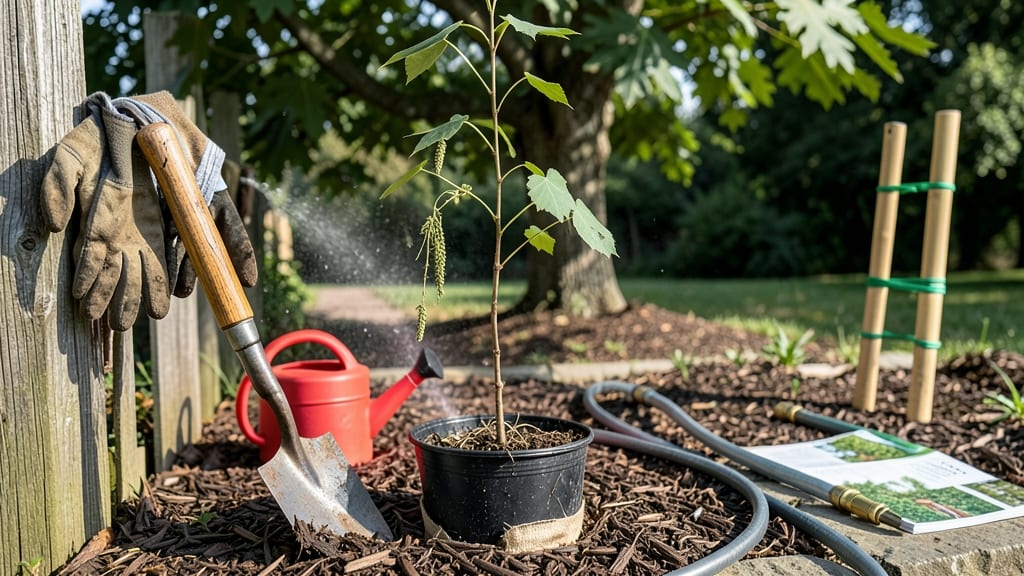
Planting a tree in Colorado at the right time ensures strong root growth and survival through the state’s unpredictable frost cycles 🌳 — and missing the window can leave your new sapling struggling against winter’s bite.
You’ve picked the perfect spot, maybe even a native species like Colorado Blue Spruce, but timing is the real game-changer. Too early, and frost can damage tender roots; too late, and the tree won’t establish before winter sets in.
The difference between thriving foliage and a sad, stunted tree often comes down to when you put it in the ground.
Colorado’s hardiness zones—ranging from 5b in Denver to 7a in Grand Junction—mean the best planting months shift from region to region. Generally, early spring (March-April) or fall (September-October) are your safest bets, but local frost dates and soil temperatures add another layer of complexity.
In this guide, I’ll break down the ideal planting windows for your zone, whether bare-root or container-grown trees behave differently, and how to prep soil for Colorado’s dry climate. By the end, you’ll know exactly when to dig—and why timing matters more than you think.
Colorado hardiness zones: when to plant trees by region
Colorado’s 7 USDA hardiness zones (3-8) create dramatic differences in planting windows and frost risks. Whether you’re in Denver’s Zone 5b or Grand Junction’s Zone 7a, timing your tree planting right ensures root establishment before winter’s freeze.
The Front Range and high-altitude regions have unique challenges, like earlier frosts and thinner soil.
Spring and fall are the optimal planting seasons, but the exact months depend on your zone’s frost-free dates. For example, Zone 3 (Mountain regions) has a shorter window than Zone 7 (southern Colorado).
Even within zones, microclimates (like urban heat islands) can shift planting by weeks. Let’s break down the best times to plant by region, including soil temperature and moisture considerations.
Soil temperature is critical—roots need 40-50°F soil to grow. In Zone 5 (Denver), this happens by mid-April, while Zone 7 (Albuquerque) can start as early as late March. Fall planting works if you finish 6-8 weeks before frost, giving roots time to harden off. In Zone 4 (Fort Collins), that means late August to mid-September.
In Zone 3 (high-altitude), where winters are harsh, focus on spring planting (late April–May) to avoid winter desiccation in evergreens. Bare-root trees planted in spring have time to establish roots before snow cover insulates the soil.
For Zone 7 (southern Colorado), you can plant as early as late winter (February) if soil temps are above 40°F.
Fall planting is riskier in northern zones (4-5) because early frosts can damage tender roots. Aim to finish by mid-September in Denver (Zone 5b) to give roots time to harden. In Zone 7, you can push planting into November if using container-grown trees
Spring vs. fall planting: which works best for Colorado trees?
Colorado gardeners face a critical decision when planting trees: spring or fall? The answer depends on your tree species, soil moisture levels, and local frost dates.
Both seasons offer advantages, but timing can mean the difference between a thriving tree and one struggling to establish roots in Colorado’s dry climate.
In spring planting, trees benefit from warm soil and consistent rainfall, which helps roots establish quickly. However, late spring plantings risk heat stress before roots can anchor.
Fall planting, on the other hand, allows roots to grow undisturbed in cooler soil before winter dormancy, but planting too late can leave trees vulnerable to frost damage.
Here’s the breakdown of pros and cons for each season, tailored to Colorado’s unique conditions:
Spring Planting
- Warm soil accelerates root growth
- Consistent moisture availability in early spring
- Ideal for bare-root trees (plant as soon as soil thaws)
- Late plantings risk heat stress before roots establish
- Competition for water in dry months (May-July)
Fall Planting
- Roots establish in cool soil before winter dormancy
- Less water competition than summer
- Critical for evergreens (e.g., Colorado Blue Spruce) to avoid transplant shock
- Planting too late risks frost damage to new roots
- Soil may be too cold for root growth in high-altitude zones
For deciduous trees like Aspen or Hackberry, fall planting is ideal—roots grow slowly but steadily in cool soil, and the tree enters dormancy with a strong foundation.
In contrast, evergreens (e.g., Ponderosa Pine) should be planted in early fall (September) to avoid winter desiccation. Evergreens planted too late may not recover if roots freeze.
In Colorado’s Front Range, aim to plant deciduous trees by mid-October and evergreens by early September to avoid winter kill. For high-altitude areas (e.g., USDA Zone 4), adjust deadlines earlier—by mid-September for most species. Always check local frost dates and soil temps (ideal: 50-60°F for root growth).
Pro tip: Mulch heavily after planting (3-4 inches of organic mulch) to retain moisture and regulate soil temperature, whether you plant in spring or fall. Water deeply once a week for the first month to encourage root establishment, then taper off as the tree matures.
🌳