
Pruning
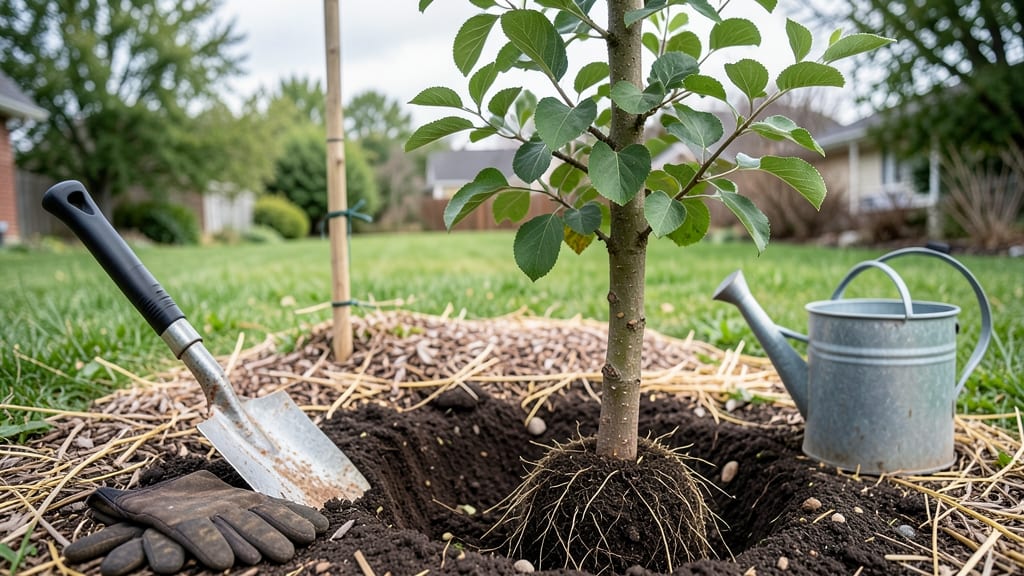
Planting an apple tree in the wrong zone means years of disappointment—not frost damage, but stunted growth, sparse blooms, or fruit that never ripens properly. 🌳 I learned this the hard way when my first tree struggled through three winters in a zone that was technically suitable but not ideal for its variety.
The right zone isn’t just about survival; it’s about vibrant growth, heavy harvests, and apples that taste like summer even when you’re planting in early spring.
Most apple trees thrive in USDA Zones 4 through 8, but the real magic happens when you match your tree to your microclimate—not just the zone number. Cold-hardy varieties like 'Honeycrisp' or 'McIntosh' excel in Zones 3-6, while heat-tolerant 'Anna' or 'Dorsett Golden' shine in Zones 7-9.
Check your last frost date (not just the zone) and soil drainage—apple trees hate soggy roots. A well-chosen zone means fewer pests, better pollination, and fruit that ripens reliably every season.
You’ll know you’ve picked the perfect zone when your tree bursts into leaf in spring, sets plump blossoms by May, and produces fruit that colors up before fall’s first frost. The payoff? A backyard orchard that feels like a mini farmstead, not just another shade tree.
And yes, even urban gardeners can grow apples—dwarf varieties fit small yards, and container-growing works in the right zones.
Here’s the secret: zone compatibility is just the starting point. Sunlight, soil pH, and even wind exposure tweak the rules. But once you’ve got those basics locked in, your apple tree won’t just survive—it’ll thrive like a homestead classic, year after year.
Let’s get those roots in the right dirt.
📚 In This Guide
- What you need
- Instructions
- Tips and common mistakes
- Wrapping up and next steps
What you need
- ● Apple tree sapling: Choose a variety suited to your blank">planting zone (e.g., ‘Honeycrisp’ for Zones 3-8, ‘Granny Smith’ for Zones 7-10). Opt for bare-root (dormant season) or container-grown (year-round) trees.
- ● Shovel or trowel: A garden spade (18–24") for digging or a hand trowel for smaller holes.
- ● Compost or well-aged manure: 5–10 gallons to enrich the soil (avoid fresh manure—it burns roots!).
- ● Mulch: 2–3 inches of wood chips, straw, or pine needles to retain moisture and regulate soil temp.
- ● Staking supplies (if needed): 2–3 wooden stakes (1.5–2" diameter, 4–5 ft tall).
- ● Soft tree tie straps (3–4 pieces) or cloth strips to secure the tree without cutting into the trunk.
- ○ Watering can or hose with nozzle: A soaker hose or drip irrigation (optional but ideal for deep watering).
- ● Soil pH test kit: Ensures your soil’s pH is 6.0–7.0 (apple trees thrive in slightly acidic soil).
- ● Pruning shears: Bypass pruners (for clean cuts) or loppers (for thicker branches).
- ● Fertilizer (balanced or organic): 10-10-10 or compost tea to kickstart growth (apply sparingly—over-fertilizing harms young trees!).
- ● Tree guard or wire cage: Protects against deer, rabbits, or curious pets in the first year.
- ● Gloves: Heavy-duty gardening gloves to shield hands from thorns and rough bark.
- ● Post-hole digger: For planting stakes deeper into hard soil.
How to select the right apple tree planting Zones for your climate
Your apple tree's success starts with choosing the perfect planting zone—here's how to match varieties to your climate for thriving fruit.
🌍 Step 1: Determine Your USDA Hardiness Zone
Find your exact USDA Plant Hardiness Zone using the [USDA Interactive Map](https://planthardiness.ars.usda.gov/) by entering your ZIP code. This zone—ranging from Zone 3 (coldest) to Zone 11 (warmest)—tells you which apple varieties can survive your winter's lowest temperatures. For example, Zone 4 (like Minneapolis) supports hardy varieties like 'Honeycrisp,' while Zone 9 (like Los Angeles) thrives with 'Anna' or 'Dorsett Golden.'
Write down your zone number and note the average annual minimum temperature for your area. This is critical because apple trees need cold winters to break dormancy in spring. If you're in a microclimate (like a valley or hillside), adjust your zone by ±1 based on observed temperature extremes. Check local nurseries or extension offices—they often have refined zone data for your specific region.
☀️ Step 2: Match Varieties to Your Zone's Climate Extremes
Apple trees need both winter cold and summer heat to produce fruit. In colder zones (3-5), prioritize varieties like 'McIntosh' or 'Cortland,' which handle -30°F to -20°F winters. In warmer zones (7-9), choose heat-tolerant types like 'Dorsett Golden' or 'Ein Shemer,' which thrive in 100°F+ summers without scorching. Cross-reference your zone with a regional apple variety guide—these lists account for local pests, soil types, and rainfall patterns that affect success.
Pay attention to chilling hour requirements. Most apples need 300-1,000 hours below 45°F annually to flower properly. If you're in Zone 8 or warmer, select low-chill varieties like 'Tropicana' (300-400 hours) or 'Anna' (500-600 hours). Planting a high-chill variety (e.g., 'Fuji') in a warm zone will result in poor flowering and no fruit. Ask your local extension office for site-specific chilling hour data—it’s often more precise than general zone maps.
🌿 Step 3: Adjust for Microclimates and Urban Heat Islands
Your yard’s microclimate can shift your effective zone by 1-3 degrees. South-facing slopes are 2-5°F warmer than north-facing areas, while low-lying spots near creeks may stay 5°F colder in winter. Urban areas with pavement and buildings can create "heat islands" that push zones 1-2 higher (e.g., a Zone 6 city center might feel like Zone 7). Use these adjustments to fine-tune your variety selection.
Test your microclimate by monitoring temperatures for a week during winter’s coldest stretch. Place a minimum-maximum thermometer near where you’ll plant—if it reads 10°F warmer than the official zone, you can safely plant a variety rated for Zone 6 in your Zone 5 area. Conversely, if your spot dips to -15°F when the zone predicts -10°F, choose a Zone 4 variety. This tweak prevents winter dieback and ensures consistent fruit production.
⏰ Step 4: Plan for Pollination and Zone Compatibility
Most apple trees require cross-pollination from a different variety blooming at the same time. If you’re in Zones 3-6, pair 'Honeycrisp' (late bloom) with 'McIntosh' (mid-bloom) for reliable pollination. In Zones 7-9, combine 'Anna' (early bloom) with 'Dorsett Golden' (late bloom). Check each variety’s bloom time (early, mid, or late season) and ensure at least one compatible partner is within 50 feet—bees won’t travel farther for pollen.
For single-tree orchards, choose self-pollinating varieties like 'Liberty' or 'Enterprise,' which produce fruit alone. However, these often yield 30-50% less than cross-pollinated pairs. In Zones 8-10, consider crabapple varieties (e.g., 'Centennial') as pollinators—they’re cold-hardy enough for your zone and attract pollinators early in the season. Plant them 10-15 feet away from your main apple tree for optimal cross-pollination.
🪴 Step 5: Time Your Planting for Zone-Specific Conditions
In Zones 3-6, plant bare-root trees in early spring (March-April) or fall (October-November) when the ground is workable but not frozen. In Zones 7-9, plant in late fall (November) or winter (December-February) to avoid summer heat stress. Container-grown trees can be planted year-round in mild zones, but fall planting gives roots time to establish before summer heat arrives.
Adjust watering based on your zone: Drier zones (7-10) need deep weekly watering for the first 2 years, while wetter zones (3-6) may require mulch rings to prevent root rot. In Zone 5 and colder, protect young trees with tree wraps or burlap shields to prevent sunscald (bark damage from winter sun on dark stems). Mulch with 3-4 inches of wood chips in all zones to regulate soil temperature and retain moisture—just keep mulch 6 inches away from the trunk to avoid rot.
Tips & tricks for perfect apple tree planting Zones
Here's what nobody tells you about matching apple varieties to your climate—details that make all the difference between a thriving orchard and a disappointing investment.
Zone-Specific Variety Intelligence: Beyond just the USDA zone number, consider your region's average annual minimum temperature. For example, a Zone 5 area with frequent dips to -20°F needs varieties like 'Cortland' that tolerate those extremes, while a Zone 6 with milder winters can handle 'Honeycrisp' without risk. The 10°F difference between these zones can mean the difference between winter survival and dieback.
Microclimate Mastery: That ±1 zone adjustment mentioned in Step 1 isn't just theoretical—it's critical. I once planted a Zone 6 variety in my Zone 5 backyard valley where temperatures routinely drop 5°F colder than the official zone. Two winters later, the tree lost 30% of its branches. Had I tested my microclimate first, I could have chosen a Zone 4 variety instead. Place that minimum-maximum thermometer for at least 7 days during winter's coldest stretch—you'll be surprised how much your yard's microclimate differs from the official map.
Chilling Hours Deep Dive: The 300-1,000 hours below 45°F range in Step 2 is crucial, but here's the secret: most commercial varieties need 500-800 hours. If you're in Zone 8 or warmer and your local extension office reports only 400 hours of chilling, you'll need varieties like 'Tropicana' (300-400 hours) rather than 'Anna' (500-600 hours). Cross-reference with your local agricultural college—they often have precise chilling hour data that general zone maps don't capture.
Pollination Pairing Pro Tip: When selecting pollination partners in Step 4, prioritize varieties with overlapping bloom windows that last at least 5-7 days. For example, 'McIntosh' (mid-bloom) and 'Honeycrisp' (late bloom) in Zones 3-6 provide better coverage than two mid-bloom varieties. In Zones 7-9, combine an early bloomer like 'Anna' with a late bloomer like 'Dorsett Golden' to extend your tree's productive window by up to 14 days—that's a full week more for bees to do their work.
Pro Tips for Apple Tree Planting Zones
- Here's what nobody tells you about matching apple varieties to your climate—details that make all the difference betw...
- Zone-Specific Variety Intelligence: Beyond just the USDA zone number, consider your region's average annual minimum t...
- Microclimate Mastery: That ±1 zone adjustment mentioned in Step 1 isn't just theoretical—it's critical. I once plante...
Frequently asked questions
What are the best apple tree planting zones in the U.S.?
Apple trees thrive in USDA Hardiness Zones 4–8, but specific varieties have ideal ranges. For example, Honeycrisp loves Zones 3–8, while Fuji prefers Zones 5–9. Check your zone here and pick cold-hardy or heat-tolerant varieties accordingly.
When is the best time to plant an apple tree?
Plant in early spring (after frost) or fall (6 weeks before first frost) for best results. Avoid summer heat or winter cold, which stress young roots. Pro tip: Bare-root trees plant best in dormancy (late winter/early spring), while container-grown trees adapt year-round.
Can I grow apple trees in small spaces or containers?
Dwarf varieties (like Columnar or Semi-Dwarf) thrive in containers or tight yards. Use a 5–15 gallon pot with drainage, and prune regularly to encourage fruit production. Just ensure full sun (6+ hours/day) and consistent watering.
Why isn’t my apple tree bearing fruit, even in the right zone?
Fruit production often hinges on pollination and age. Plant two compatible varieties (check labels!) for cross-pollination, and wait 3–5 years for mature trees to bear fruit. Troubleshoot: Poor soil? Test pH (ideal: 6.0–6.5) and amend with compost. Pests? Inspect for aphids or codling moths.
How do I adjust for extreme heat or cold in my zone?
For hot zones (9+), choose heat-tolerant varieties like Anna or Ein Shemer, and mulch heavily to retain moisture. In cold zones (3–4)McIntosh. Pro tip: Drip irrigation helps in both extremes!
Wrapping up and next steps
Planting an apple tree is a rewarding journey, and choosing the right apple tree planting zones is your first step to success! 🌳 By matching your climate to the ideal hardiness zone, you’ll set the stage for a thriving orchard—whether you’re a backyard gardener or a small-scale farmer.
Now that you’re armed with the knowledge, take the next step: research varieties suited to your zone, prepare your soil, and get those roots in the ground! 🌱
📅 Ready to Plant?
Check your USDA Plant Hardiness Zone and explore our apple tree variety guide to find your perfect match!