
Trees
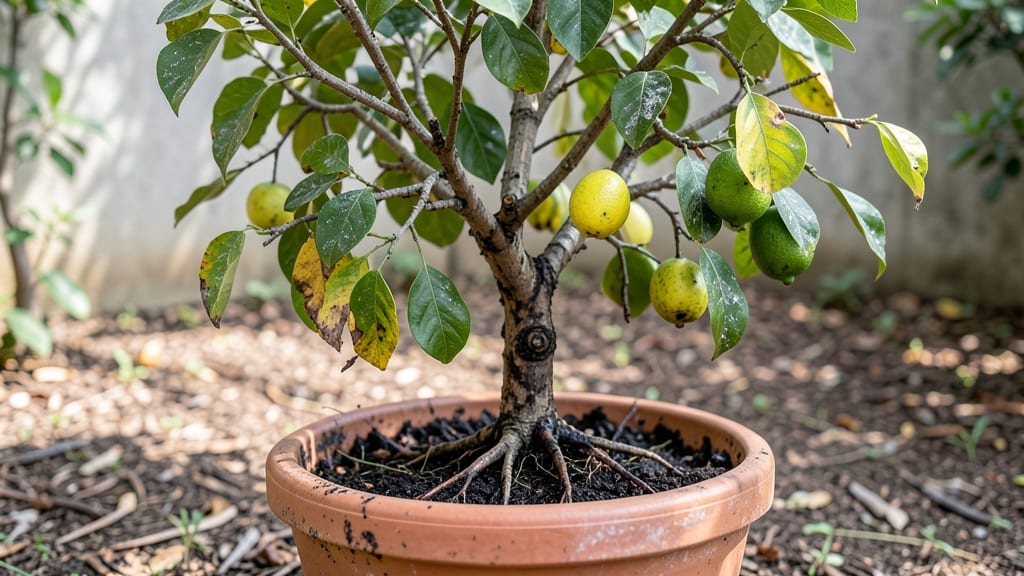
What does an overwatered lemon tree look like? Those drooping leaves and yellowing foliage scream "overwatered" before the roots even rot. 🌿 I’ve seen this mistake wipe out perfectly healthy trees in just two weeks—soggy soil, moldy bark, and leaves that flop like wet dishrags are the dead giveaways. The first sign? Leaves turning pale yellow at the tips, then spreading inward while the tree stays stubbornly upright. Check the soil first—it should smell fresh, not swampy. Stick your finger in 2 inches deep: if it’s damp, you’re watering too much. Mushy, black roots that crumble at the touch? That’s root rot, and it’s already too late for those branches. The good news? Healthy sections can recover with proper care, but you’ll need to adjust your watering schedule fast. Start by letting the top 3-4 inches of soil dry completely between waterings. Move the tree to a pot with drainage holes if it’s still in a saucer or tray, and prune any blackened branches back to green wood. Within a week, you’ll see new growth pushing through if the roots are still alive. This isn’t just about saving your tree—it’s about fixing the habits that got you here. Overwatering happens when we love our plants too much, but lemon trees hate soggy feet. Let’s get that soil back to the right moisture level before it’s permanent damage.
Root Causes Of Overwatering
An overwatered lemon tree isn’t just a result of a well-meaning gardener’s overzealous watering—it’s a complex interplay of environmental, soil, and plant biology factors. Understanding these underlying causes helps you diagnose the issue and adjust your care routine before it’s too late.
Let’s dig into the science behind why your citrus tree might be drowning in its own pot.
Lemon trees are Mediterranean natives, meaning they evolved in well-drained, rocky soils where water doesn’t pool around their roots. When planted in containers or soil with clay, compacted, or heavy loam, water has nowhere to go but upward—right back to the roots.
- Why it happens: Poor drainage traps excess moisture, suffocating roots by cutting off oxygen. In extreme cases, it creates anaerobic conditions, where harmful microbes like Pythium or Phytophthora thrive, rotting roots.
- Actionable fix:
- Amend soil with perlite, pumice, or coarse sand (20-30% mix) to improve aeration.
- Use pots with drainage holes—even citrus trees in the ground benefit from raised beds with gravel layers.
- Test your soil: Dig a hole 6 inches deep after watering. If water sits for >24 hours, drainage is the issue.
Many gardeners follow a rigid watering calendar (e.g., “every Tuesday and Friday”), but lemon trees don’t run on a clock—they respond to soil moisture levels. Overwatering often stems from ignoring the plant’s actual thirst signals.
- Why it happens:
- Container plants dry faster but are also more prone to root rot if watered without checking soil moisture.
- Seasonal changes (e.g., winter dormancy) reduce water needs by 30-50%, yet many keep watering routines consistent.
- Automatic irrigation (like drip systems) can overdeliver if not calibrated for citrus trees’ specific needs.
- Actionable fix:
- Stick your finger 2 inches deep—if soil feels damp, wait. If dry, water deeply until it drains from the bottom.
- Use a moisture meter for precision (aim for 40-60% moisture in the top 6 inches).
- Adjust frequency by season: Water 2x/week in summer, 1x/week in winter.
A lemon tree’s roots need space to breathe—and when they’re crammed into a pot too small for their size, they become root-bound. This forces roots to grow in tight circles, reducing their ability to absorb water efficiently and increasing susceptibility to rot.
- Why it happens:
- Roots circle the pot (a sign of root-bound stress), blocking water flow and trapping excess moisture.
- Slow-draining soil in small pots stays soggy longer, even after watering.
- Transplant shock after repotting can temporarily halt water uptake, leading to overwatering if you don’t adjust.
- Actionable fix:
- Repot every 2-3 years into a container 2-4 inches larger in diameter (e.g., 12” pot → 16”).
- Prune circling roots when repotting to encourage outward growth.
- Use a well-draining citrus mix (e.g., 60% peat/pine bark, 30% perlite, 10% compost).
Lemon trees thrive in warm, dry climates (USDA Zones 9-11), but when humidity spikes or temperatures drop, their water needs shift dramatically. High humidity slows evaporation, while cold soil reduces root activity—both can trick gardeners into overwatering.
- Why it happens:
- High humidity (>60%) reduces transpiration (water loss through leaves), so the tree “holds onto” moisture longer.
- Cold soil (<60°F) slows root function by 50%, meaning the tree can’t absorb water efficiently—leading to soggy soil.
- Indoor conditions (e.g., bathrooms, kitchens) with low airflow and high humidity create a greenhouse effect, accelerating rot.
- Actionable fix:
- Monitor humidity with a hygrometer; aim for 40-60%. Use a dehumidifier or fan near indoor trees.
- Move potted trees to bright, indirect light (e.g., near a south-facing window) to balance moisture.
- In winter, reduce watering by 50% and keep pots off cold floors.
Overwatering doesn’t just drown roots—it creates the perfect breeding ground for pathogens like Phytophthora (root rot) and Fusarium. These microbes thrive in waterlogged soil, attacking healthy roots and clogging vascular tissue.
- Why it happens:
- Anaerobic soil (no oxygen) weakens roots, making them 3x more susceptible to fungal invasion.
- Splashing water from overhead irrigation spreads spores to leaves and stems.
- Old or reused soil may harbor dormant pathogens that activate when moisture levels rise.
- Actionable fix:
- Sterilize soil before repotting: Bake at 180°F for 30 minutes or use hydrogen peroxide (3%) to kill pathogens.
- Avoid wetting foliage—use drip irrigation or water at the soil base.
- Apply copper fungicide or neem oil preventatively if you’ve had past rot issues.
How to Fix an Overwatered Lemon Tree
An overwatered lemon tree can feel like a slow-motion disaster—roots suffocating, leaves wilting, and that dreaded mushy soil. But don’t panic! With the right steps, you can nurse your tree back to health and prevent future waterlogging.
Below, we’ll map out cause-specific fixes and share easy, actionable tips to revive your citrus friend.
Cause: Overwatering starves roots of oxygen, leading to nutrient deficiencies and yellowing (chlorosis). How to Fix It:
- 🔥 Step 1: Stop Watering Immediately Let the top 2–3 inches of soil dry out completely before watering again. Stick your finger in the soil—if it’s damp past 1 inch, wait.
- 🍳 Step 2: Improve Drainage Lemon trees hate soggy feet. If your pot lacks drainage holes, repot it ASAP into a container with holes or amend the soil with:
- 50% potting mix (well-draining)
- 30% perlite or pumice (for aeration)
- 20% compost (for nutrients without compacting soil)
- 👨🍳 Step 3: Elevate the Pot (If Needed) Place the pot on feet or a saucer to prevent water pooling at the bottom. For in-ground trees, consider raised beds or swales to redirect water.
💡 Pro Tip: Yellow leaves on lower branches? Root rot may be spreading. Trim affected foliage to redirect energy to healthy growth.
Cause: Overwatering disrupts the plant’s water uptake, causing cells to swell and leaves to droop. How to Fix It:
- ⏰ Step 1: Adjust Your Watering Schedule Lemon trees prefer deep but infrequent watering. Water only when:
- The top 1–2 inches of soil are bone-dry.
- The pot feels light (not heavy with water).
- Morning watering is best—avoid evening to prevent fungal growth.
- 🌡️ Step 2: Check for Root Stress Gently remove the tree from its pot and inspect roots:
- Healthy roots: White or light tan, firm to touch.
- Rotten roots: Dark, mushy, or smelly. Trim these with sterilized pruners and dust cuts with cinnamon powder (natural antifungal).
- Repot in fresh, dry soil and avoid watering for 3–5 days to let roots recover.
- 🎯 Step 3: Boost Humidity (Temporarily) Place the pot on a pebble tray with water (not touching the pot) to increase airflow around roots while they heal.
✨ Prevention Tip: Use a moisture meter to track soil conditions—no more guesswork!
Cause: Waterlogged soil leads to anaerobic conditions, where roots suffocate and fungi/bacteria thrive. How to Fix It:
- 🔪 Step 1: Perform a Root Flush (For Severe Cases) If roots are mushy or the soil smells like rot:
- Remove the tree and rinse roots gently with water to remove excess soil.
- Prune 1/3 of the root ball (healthy roots only) to reduce stress.
- Soak roots in a 1:10 hydrogen peroxide solution (3% peroxide + water) for 10 minutes to kill pathogens. Rinse well.
- Repot in sterilized, well-draining soil (baking soil at 200°F for 30 mins kills pathogens).
- 🌱 Step 2: Adjust Future Watering
- Potted trees: Water only when the soil is completely dry.
- In-ground trees: Install French drains or gravel layers around the root zone to improve drainage.
- 🍄 Step 3: Prevent Fungal Growth
- Avoid wetting leaves when watering (use drip irrigation or a watering can with a narrow spout).
- Apply neem oil (1 tsp per gallon of water) every 2 weeks as a preventative fungicide.
💡 Pro Tip: If repotting isn’t an option, dig a trench around the tree to redirect water away from the roots.
Once your tree is back on track, prevent overwatering with these habits:
- 📊 Use the “Finger Test”: Stick your finger 1–2 inches into the soil before watering.
- 💪 Choose the Right Pot: Terracotta (porous) or fabric pots dry faster than plastic.
- 🍎 Mulch Strategically: Apply 2–3 inches of wood chips or straw around the base (but not touching the trunk) to retain moisture without suffocating roots.
- 🌡️ Monitor Weather: Adjust watering during rain or high humidity—lemons need less water then!
Final Thought: Overwatering is reversible, but speed matters. Act fast, improve drainage, and your lemon tree will bounce back—maybe even with a few extra lemons as a thank-you! 🍋💚
Frequently asked questions
Can an overwatered lemon tree recover?
Yes, but it depends on how severe the damage is! If only the leaves are yellowing and drooping, the roots may still be healthy. Trim affected foliage and let the soil dry completely before watering again. For root rot (mushy, black roots), prune the damaged roots, repot in fresh, dry soil, and avoid watering for 3-5 days to let roots recover.
Why do the leaves turn yellow first?
Yellowing leaves are your tree’s first warning sign! Overwatering blocks oxygen from reaching roots, which disrupts nutrient uptake—especially iron and nitrogen. The older, lower leaves turn yellow first because they’re the plant’s priority to shed when resources are scarce. If you see yellowing spreading upward, act fast—root rot may be setting in.
How do I tell if my lemon tree is overwatered vs. underwatered?
Check the soil and leaves: Overwatered trees have soggy soil, drooping leaves that feel soft (not crisp), and yellowing between veins. Underwatered trees have dry, cracked soil, crispy brown edges on leaves, and a wilted but firm texture. Stick your finger 2 inches deep—if it’s damp, you’re overwatering; if dry, it’s thirsty!
Can I save my lemon tree if the roots are rotting?
It’s possible, but you’ll need to act quickly! Remove the tree, rinse the roots, and trim away any black, mushy sections with sterilized pruners. Soak healthy roots in a 1:10 hydrogen peroxide solution for 10 minutes to kill pathogens, then repot in fresh, well-draining soil. Keep it dry for 5-7 days and avoid watering until new growth appears.
How often should I water my lemon tree?
It depends on your climate, but lemon trees prefer deep but infrequent watering. In summer, water every 5-7 days when the top 2 inches of soil are dry. In winter, cut back to every 10-14 days. Always check soil moisture—if it’s damp, wait! Morning watering is best to prevent fungal growth from evening moisture.