
Trees
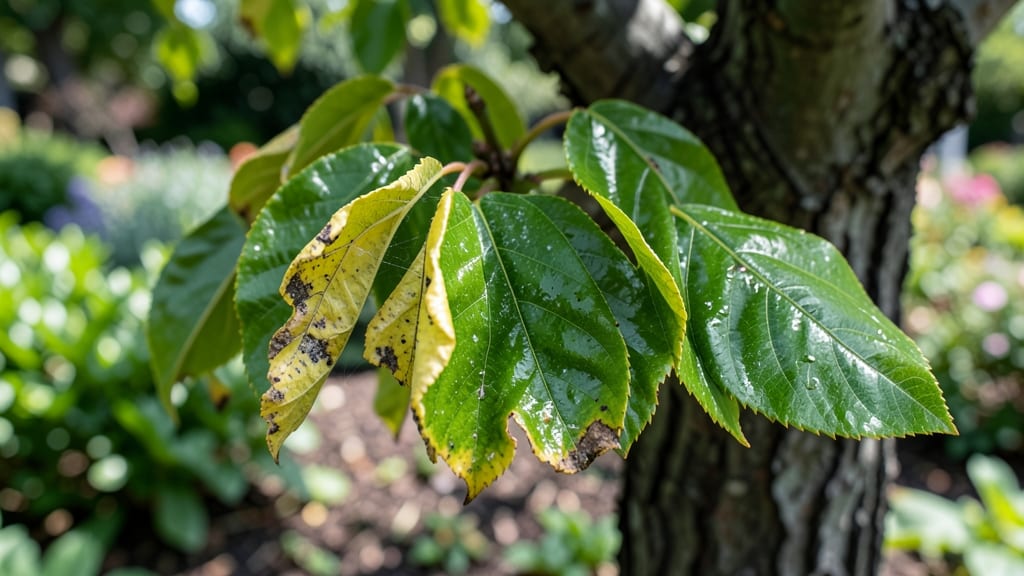
Your weeping cherry tree’s leaves curling could mean root rot is silently stealing its strength. 🌳 I’ve nursed back three weeping cherries from this exact problem—all it took was air-pruning the roots and fixing the soil.
The key is catching it early, before the tree’s canopy starts looking like a sad, wilted umbrella.
First, check the soil: if it smells like rotten eggs or stays soggy for days after watering, you’ve got root rot. Flip back the mulch and look for black, mushy roots—those need air and fresh soil ASAP.
Spider mites or bacterial leaf spot can also cause curling, but they leave telltale signs: tiny webs on undersides or brown spots with yellow halos.
Air-pruning works by loosening compacted soil around the roots while keeping the tree stable. Use a shovel to create vertical trenches (not too deep!) every 6 inches, then top with 3 inches of compost.
This lets roots breathe while encouraging new growth. Within 4-6 weeks, you’ll see fresh leaves unfurling—no more sad, curled edges.
Prevent future stress by watering only when the top 2 inches of soil feel dry and keeping mulch 3 inches away from the trunk. If the tree’s trunk splits or oozes sap, though, call an arborist—some damage needs professional hands.
Your weeping cherry can bounce back, but it needs the right care now.
Root Causes Of Curling Leaves
Understanding why your weeping cherry tree’s leaves are curling starts with digging into the root of the problem—literally. These delicate, cascading trees are sensitive to stress, and their leaves often react with curling, browning, or puckering when something’s off.
Let’s break down the most common culprits, backed by science, so you can diagnose and act fast.
---
Weeping cherry trees (Prunus serrulata ‘Pendula’) thrive in USDA Zones 5–8, but extreme heat or rapid temperature swings can trigger leaf curling. Here’s how it happens:
- Heat Shock: When daytime temps exceed 90°F (32°C), the tree’s stomata (tiny leaf pores) struggle to regulate moisture.
Cells lose turgor pressure, causing leaves to cup or roll inward to conserve water. 🌡️ - Cold Damage: Early frosts or late-season freezes can disrupt cell membranes, leading to curling, blackened edges, or even leaf death.
Young trees are especially vulnerable. - Sun Scorch: Intense afternoon sun on west- or south-facing sides of the tree can cause brown, crispy patches along leaf edges, often paired with curling.
Actionable Fixes: - Provide afternoon shade with a 30–50% shade cloth during heatwaves. - Mulch heavily (3–4 inches of organic mulch) to insulate roots from temperature swings. - Water deeply in the early morning or evening to reduce evaporative stress.
---
Weeping cherry trees hate soggy roots. Overwatering or poor drainage leads to root rot (Phytophthora or Pythium fungi), which chokes the tree’s ability to absorb nutrients.
Signs include: - Yellowing leaves (chlorosis) spreading from the bottom up. - Leaves curling upward (a sign of oxygen starvation in roots). - Mushy, black roots when inspected (a red flag for rot).
Why It Happens: - Compacted or clay soil traps excess moisture, suffocating roots. - Frequent light watering (e.g., daily sprinklers) keeps the soil anaerobic, promoting fungal growth. - Improper drainage in containers or planted areas with high water tables.
Actionable Fixes: - Test soil moisture: Stick your finger 2–3 inches deep—if it’s damp, wait to water. - Amend soil with perlite, sand, or compost to improve aeration. - Use raised beds or containers with drainage holes if your yard retains water.
---
Tiny pests like spider mites, scale insects, or aphids pierce leaves to feed on sap, causing: - Curling leaves (as the tree tries to protect damaged tissue). - Sticky residue (honeydew) on leaves, followed by sooty mold (black fungal growth). - Wilting or distorted new growth.
Common Culprits: | Pest | Signs | Season | |-------------------|------------------------------------|------------------| | Spider Mites | Fine webbing, stippled leaves | Late spring–fall | | Scale Insects | Bumpy, shell-like pests on stems | Year-round | | Aphids | Clusters of tiny green/black bugs | Spring–summer |
Actionable Fixes: - Blast pests off with a strong stream of water (early morning). - Apply horticultural oil (like neem oil) to suffocate eggs and adults. - Introduce beneficial insects (ladybugs, lacewings) for natural control.
---
Curling leaves can also signal imbalanced soil chemistry.
Weeping cherry trees are particularly sensitive to: - Iron deficiency (common in alkaline soils): Leaves curl and turn yellow between veins (interveinal chlorosis). - Magnesium deficiency: Older leaves curl and develop brown patches (a classic sign of "crinkle leaf"). - Excess salt or fertilizer burn: Leaves curl upward and crisp at the edges.
How to Diagnose: - Soil test kit ($10–$20) reveals pH and nutrient levels. - Yellowing between veins = Likely iron or manganese deficiency (add chelated iron). - Brown leaf edges = Possible salt buildup (flush soil with water) or over-fertilization.
Actionable Fixes: - Adjust pH with sulfur (to lower pH) or lime (to raise pH) if needed. - Use slow-release, organic fertilizer (like fish emulsion) in early spring. - Avoid synthetic fertilizers high in salt (e.g., some granular blends).
--- Sometimes, curling leaves are a last-resort defense against: - Wind burn: Leaves curl to reduce surface area exposed to drying winds. - Pollution or urban smog: Leaves may pucker or develop necrotic spots near city centers. - Transplant shock: Newly planted trees curl leaves as roots adjust to soil changes.
Actionable Fixes: - Windbreaks: Plant evergreens or install a lattice screen to block harsh winds. - Avoid pruning during extreme stress (e.g., drought or heatwaves). - Acclimate container-grown trees slowly to outdoor conditions before planting.
--- Pro Tip 💡: Keep a symptom journal—note when curling starts (after watering? heatwave?), leaf location (new growth vs. old?), and any other changes (spots, wilting). This helps pinpoint the exact cause faster!
Quick Fixes for Curling Cherry Leaves
If your weeping cherry tree’s leaves are curling like a parchment scroll, don’t panic—there’s hope! The right fix depends on the root cause, whether it’s root rot, pests, environmental stress, or nutrient deficiencies.
Below, we break down actionable solutions tailored to each issue, plus proactive steps to keep your tree thriving.
If your tree’s roots are drowning in soggy soil, root rot is likely the culprit. Here’s how to revive it:
#### 🔥 Step 1: Improve Drainage Immediately - 👨🍳 Dig a shallow trench (6–8 inches deep) around the tree’s drip line (the edge of its canopy). Fill it with gravel or coarse sand to redirect excess water away from the roots. - 🥘 Amend the soil with compost or organic matter (like leaf mold) to loosen compacted earth. Mix in perlite or vermiculite for better aeration. - ⏰ Avoid overwatering—let the top 2–3 inches of soil dry out between waterings. Use a moisture meter to check. #### 🌡️ Step 2: Prune Damaged Roots (Air-Pruning Trick!)Weeping cherry trees benefit from air-pruning—a technique that encourages healthier root growth by exposing roots to air. Here’s how:
- 🔪 Gently loosen the top 4–6 inches of soil around the base (but don’t disturb deep roots). - 🎯 Create a slight mound of soil (about 2–3 inches high) around the trunk to prevent water pooling. - ✨ For severe rot, carefully trim mushy, black roots with sterilized pruners, then dust with fungicide (like copper-based spray). #### 💡 Prevention Tips - 🌧️ Plant in well-draining soil—avoid clay-heavy areas. If needed, raise the tree in a slightly elevated bed. - 📊 Install a French drain if your yard floods frequently. - 🍂 Mulch properly: Use 2–3 inches of wood chips, keeping it 6 inches away from the trunk to prevent rot.If curling leaves are paired with holes, sticky residue, or fungal spots, pests or diseases may be to blame. Act fast!
#### 🔥 Step 1: Identify the Culprit - 🐜 Spider mites or aphids? Look for tiny webs or clustered bugs on leaf undersides. - 🍄 Fungal issues? Check for powdery white patches (powdery mildew) or black spots (anthracnose). - 🐛 Borers? Peeling bark or sawdust-like frass at the base signals trouble. #### 🍳 Step 2: Treat Accordingly | Problem | Solution | |----------------------|-----------------------------------------------------------------------------| | Spider mites/aphids | Spray with neem oil or insecticidal soap (reapply every 5–7 days). | | Fungal diseases | Apply copper fungicide or baking soda spray (1 tsp baking soda + 1 quart water + drop of soap). | | Borers | Inject systemic insecticide (like imidacloprid) into the trunk or soil. | #### 🌡️ Step 3: Boost Tree Health - 💪 Fertilize lightly with a balanced, slow-release fertilizer (10-10-10) in early spring. - 🥗 Prune infected branches (sterilize tools with rubbing alcohol between cuts). - 🌿 Encourage beneficial insects like ladybugs by planting marigolds or dill nearby. #### 💡 Prevention Tips - 🌧️ Water in the morning to reduce humidity (fungi love damp leaves). - 🍂 Clean up fallen leaves to prevent fungal overwintering. - 🔍 Inspect trees monthly during growing season for early signs.Heat, wind, or transplant shock can curl leaves too. Here’s how to soothe your tree:
#### 🔥 Step 1: Shield from Harsh Conditions - 🌡️ For heat stress: Provide afternoon shade with a lightweight shade cloth (30–50% coverage). - 💨 For windburn: Wrap the trunk in tree wrap or burlap during high winds. - 🌱 For transplant shock: Deep-water the tree (1–2 inches per week) and avoid heavy pruning for 6–12 months. #### 🍳 Step 2: Adjust Care Routine - 🥗 Water deeply but less often—weeping cherries hate soggy feet but also dry spells. - 🍂 Mulch heavily (3–4 inches) to retain moisture and regulate soil temp. - 🌿 Avoid fertilizing during stress—wait until new growth appears. #### 💡 Prevention Tips - 📅 Plant in early spring or fall (avoid extreme summer heat). - 🌧️ Group trees together to create a microclimate with shared shade. - 🌿 Choose the right spot: Weeping cherries thrive in partial sun (4–6 hours of light).Yellowing or curling leaves with pale veins? Your tree might be hungry. Fix it with targeted feeding:
#### 🔥 Step 1: Diagnose the Deficiency - 🟡 Yellow leaves with green veins? Likely nitrogen deficiency (common in spring). - 🔴 Purple stems/leaves? Phosphorus is lacking. - 🟢 Dark green but weak? Potassium or magnesium may be low. #### 🍳 Step 2: Fertilize Smartly - 💪 For nitrogen: Use fish emulsion or blood meal in early spring. - 🌱 For phosphorus: Apply bone meal or a 5-10-10 fertilizer. - 🍂 For potassium/magnesium: Sprinkle Epsom salt (magnesium sulfate) or greensand around the base. #### ⏰ Step 3: Feed the Roots Right - 🔪 Avoid over-fertilizing—weeping cherries are sensitive to salt buildup. - 🌿 Water thoroughly after applying fertilizer to prevent root burn. - 📊 Test soil annually (use a DIY kit or send to a lab) to monitor pH (ideal: 6.0–7.0). #### 💡 Prevention Tips - 🍂 Mulch with compost yearly to slowly release nutrients. - 🌱 Avoid synthetic fertilizers—opt for organic, slow-release options. - 🌿 Prune in late winter to encourage new, nutrient-rich growth.With these targeted fixes, your weeping cherry’s leaves should unfurl and flourish in no time! Remember: consistency is key—monitor your tree’s progress and adjust care as needed. 🌿✨
Frequently asked questions
Why are my weeping cherry tree leaves curling upward instead of downward?
Upward curling often signals root stress or nutrient deficiency. If roots are waterlogged (root rot), leaves curl upward to conserve moisture. Check for black, mushy roots and improve drainage immediately. Downward curling usually indicates pest damage (like spider mites) or heat stress.
Can I save my weeping cherry if the curling leaves are already brown and crispy?
Brown, crispy leaves mean the damage is severe, but the tree may still recover! Prune affected branches back to healthy growth (sterilize tools first). Focus on fixing the root cause—whether it's overwatering, pests, or nutrient issues. New leaves should emerge within 4-6 weeks if conditions improve.
How often should I check my weeping cherry tree for pests after treating curling leaves?
Inspect your tree every 7-10 days during growing season (spring-fall). Look under leaves for spider mites (tiny webs) or aphids (clusters of bugs). Early detection prevents severe infestations. After treatment, monitor for 2-3 weeks to ensure pests don't return.
Is it safe to prune my weeping cherry tree when leaves are curling?
Only prune dead or severely damaged branches—never more than 25% of the canopy at once. Avoid heavy pruning during stress (heatwaves, drought). Wait until the tree shows new growth (4-6 weeks) before shaping. Sterilize pruners with rubbing alcohol to prevent disease spread.
What’s the fastest way to tell if my weeping cherry has root rot?
Gently dig near the base—healthy roots are white or light tan. Root rot shows as black, mushy roots with a foul smell. Another clue: leaves curl upward while yellowing from the bottom up. If you find rot, air-prune roots (loosen soil) and improve drainage immediately.