
Trees
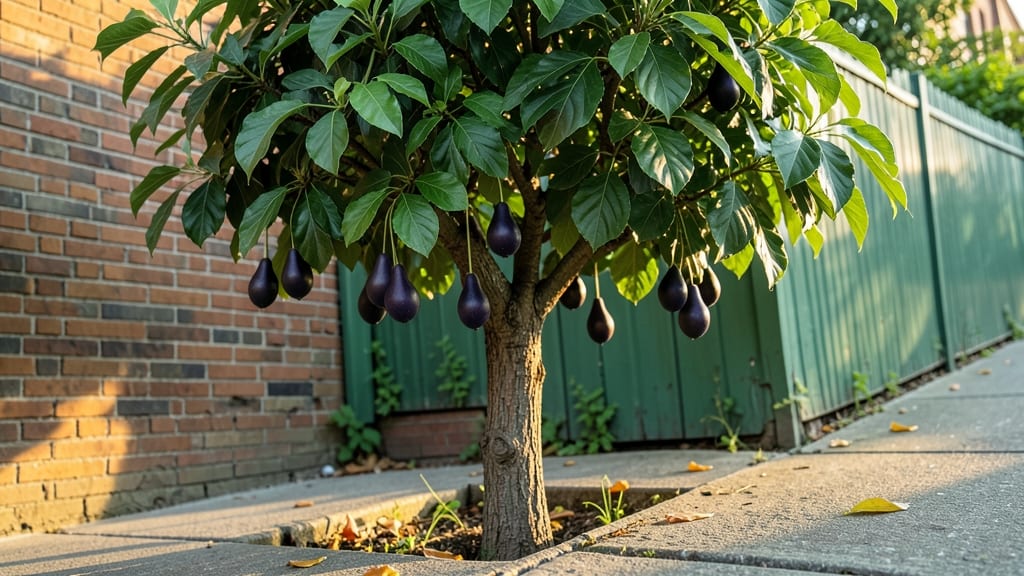
Small gardens deserve trees that deliver big flavor! These 10 compact varieties produce delicious, pear-like fruit without overwhelming your space, making them perfect for urban yards, patios, or even large containers.
Dwarf Asian Pear Tree (Pyrus pyrifolia)
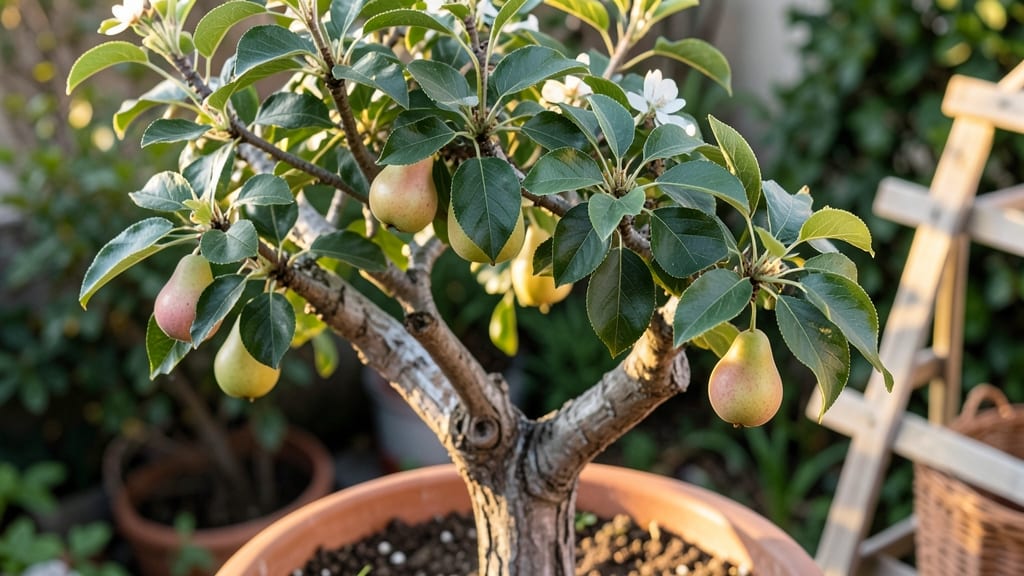
If you’ve ever dreamed of harvesting your own fruit but lack space for a full-sized tree, the dwarf Asian pear (Pyrus pyrifolia) is your answer. This compact gem thrives in containers or tight spots, producing sweet, crisp pears that resemble tiny, flavorful treats—all with minimal fuss.
Grow it in a 15-20 gallon container with well-draining soil and place it where it gets 6-8 hours of sun daily. Unlike its larger relatives, this variety needs little pruning—just remove dead branches in late winter to keep it tidy. Fruits ripen in late summer to fall, and one tree can yield 5-10 pounds of pears, perfect for snacking or jams.
Balcony gardeners and urban dwellers will love this low-maintenance option. With its ornamental foliage and fruit, it’s a stylish addition that turns small spaces into productive havens. 🌱
Japanese Pear 'Hosui' (Pyrus pyrifolia)
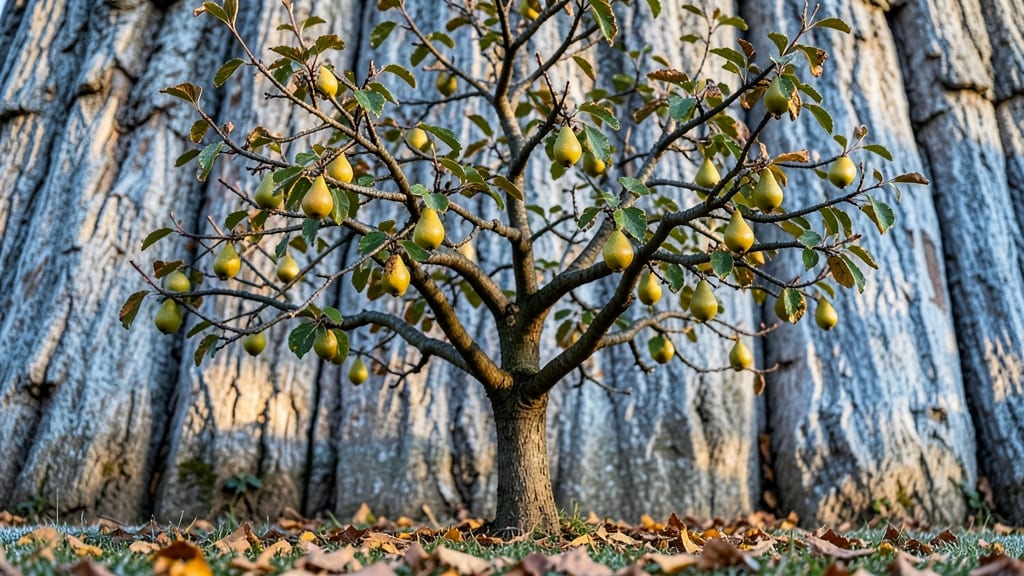
If you live in a northern climate where winters are long and harsh, the Japanese Pear 'Hosui' is your secret weapon for a thriving fruit tree. Unlike many pears that struggle in cold zones, this disease-resistant variety thrives in USDA zones 5-9, making it a reliable choice for gardeners who want fruit without the fuss.
This compact tree matures at just 12-15 feet tall, perfect for small urban gardens or suburban backyards. Its early-ripening pears (ready by late summer) are small but packed with flavor, and the tree’s natural resistance to common diseases like fire blight means fewer pesticides and more enjoyment. Plant it in full sun with well-draining soil, and you’ll enjoy a low-maintenance harvest for years.
Perfect for beginners or space-conscious gardeners, 'Hosui' proves you don’t need a large yard to grow fruit—just patience and a little sun. 🌱
Chokecherry Tree (Prunus virginiana)
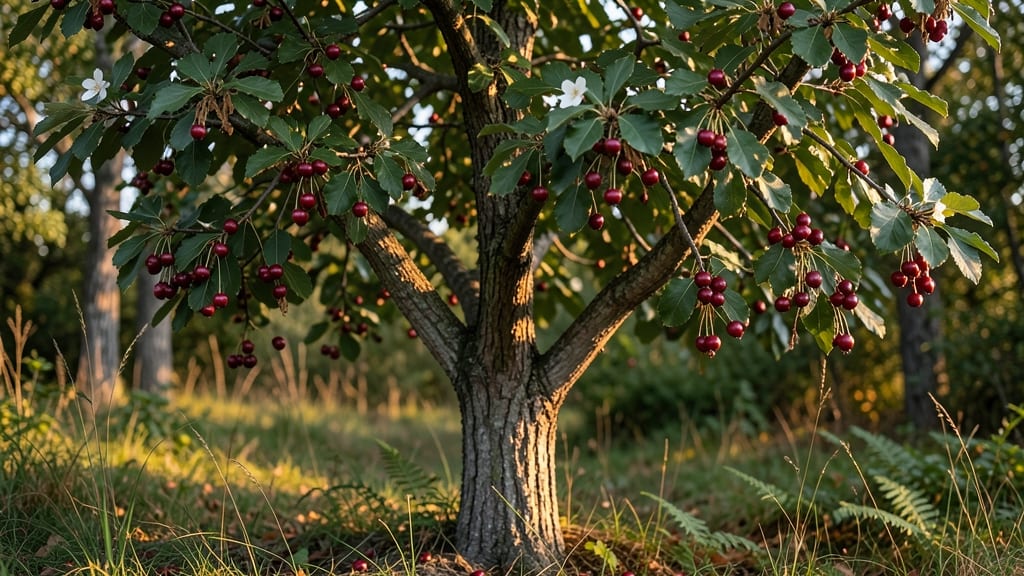
If you’re looking for a native tree that’s as tough as it is useful, the chokecherry (Prunus virginiana) delivers—with tart, pear-like berries that birds and foragers adore. Unlike fussy fruit trees, this hardy species thrives with minimal care, making it a standout for wildlife gardens and low-maintenance landscapes.
Plant it in full sun to partial shade and well-draining soil—it tolerates dry conditions once established, needing little water after the first year. The dark red berries ripen in late summer, and while they’re tart fresh, they’re perfect for jams, syrups, or fermenting. Birds will flock to your tree, turning it into a natural snack bar while you enjoy the ornamental value of its lacy spring blooms and golden fall foliage.
Perfect for beginner gardeners and ecological landscapes, this tree supports pollinators and wildlife while adding year-round beauty. 🌿
Serviceberry 'June' (Amelanchier laevis)
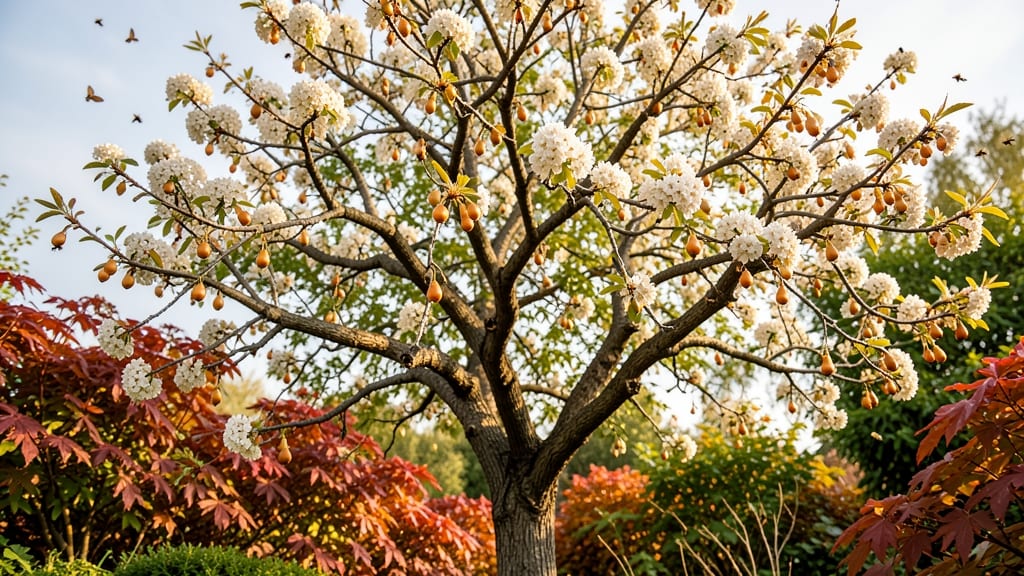
Looking for a tree that gives you four seasons of beauty in a single compact package? The Serviceberry 'June' delivers with its white spring blooms, edible berries that taste like tiny pears, and fiery fall foliage—all while supporting pollinators year-round.
This pollinator magnet thrives in full sun to partial shade and adapts to various soil types, making it ideal for small gardens or urban landscapes. The berries ripen in early summer, offering a sweet, tangy treat for both you and wildlife. With minimal pruning needs and natural disease resistance, it’s a low-maintenance star for eco-friendly spaces.
Perfect for gardeners who want edible beauty without the fuss, this tree adds texture, color, and food value to any landscape—no matter how limited the space. 🌻
Dwarf Pear 'Seckel' (Pyrus communis)
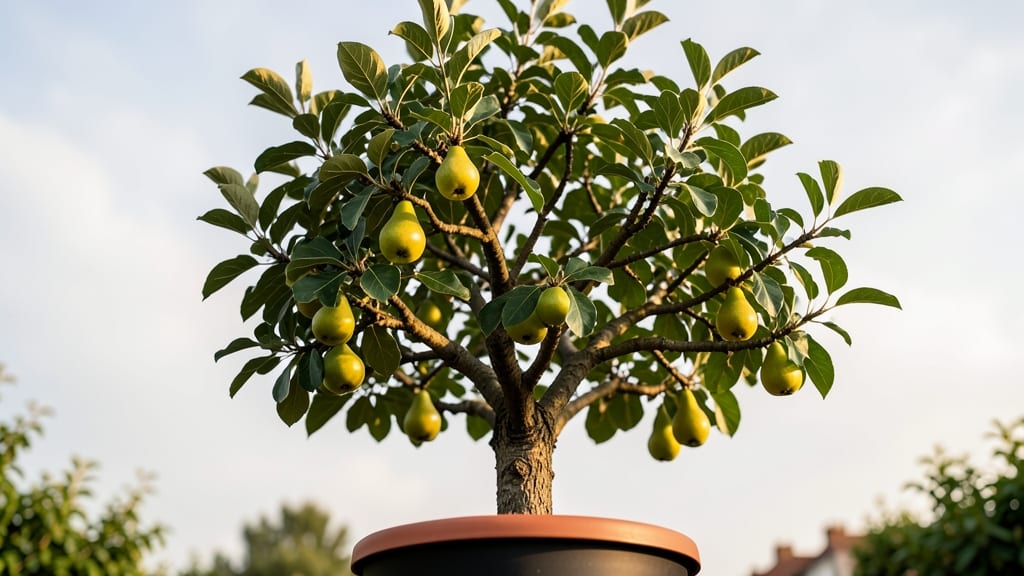
If you crave the taste of classic pears but lack the space for a full-sized tree, the dwarf 'Seckel' pear delivers all the sweet, juicy flavor in a bite-sized package. This compact variety stays under 8 feet tall and thrives in containers, making it the perfect choice for patios, balconies, or small urban gardens where space is limited.
Plant your dwarf 'Seckel' in a large container with well-draining soil and place it where it gets 6-8 hours of full sun daily. Unlike larger pears, this variety produces fruit in just 2-3 years after planting, with each tree yielding 10-20 pounds of pears per season. The pears are small but packed with the same classic flavor, perfect for snacking fresh or using in desserts.
Patio gardeners and apartment dwellers will love how this tree fits seamlessly into small spaces while still delivering a bountiful harvest. Its compact size and sweet fruit make it a standout for anyone who wants a taste of orchard life without the yard. 🌟
Eastern Red Cedar (Juniperus virginiana)
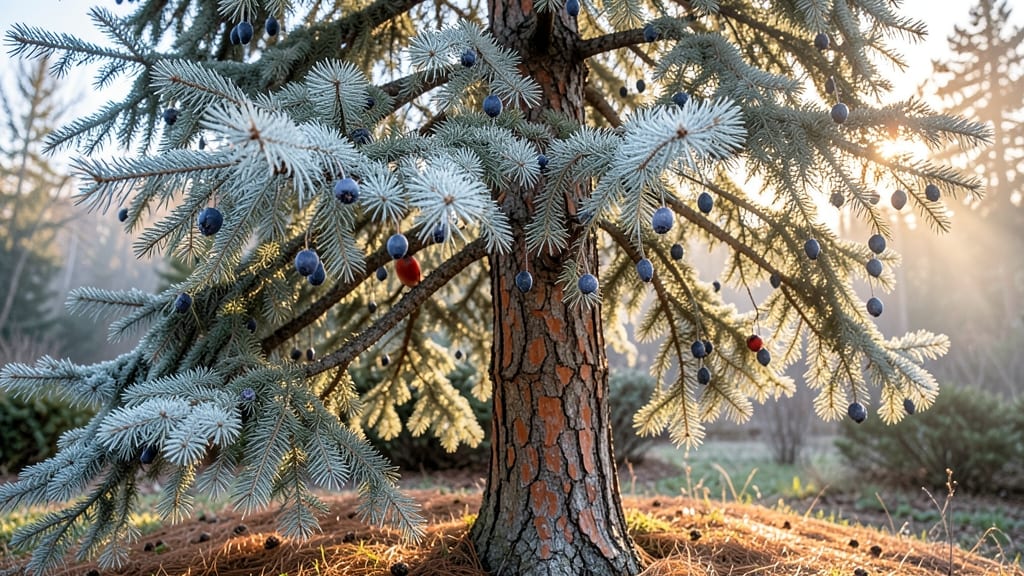
If you're looking for a drought-tolerant plant that doubles as both a wildlife magnet and a year-round garden staple, the Eastern Red Cedar (Juniperus virginiana) is your answer. While it doesn’t produce true fruit, its small, blueberry-like "berries" (actually fleshy cones) are irresistible to birds, making it a favorite for wildlife gardens.
This versatile evergreen thrives in full sun to partial shade and handles poor, dry soil with ease, making it perfect for hedges, borders, or even rocky slopes. Prune lightly in late winter to shape it, but otherwise, it requires minimal care. The fragrant, silvery-green needles add texture and color to gardens year-round, while the blue "berries" provide a pop of color from late summer through winter.
Ideal for gardeners in USDA zones 2-9, this plant is especially great for those in dry climates or areas with limited water access. It’s a low-maintenance, high-reward choice for anyone looking to attract birds while keeping their landscape lush and green. 🌿
Dwarf Apple 'Columnar' (Malus domestica)
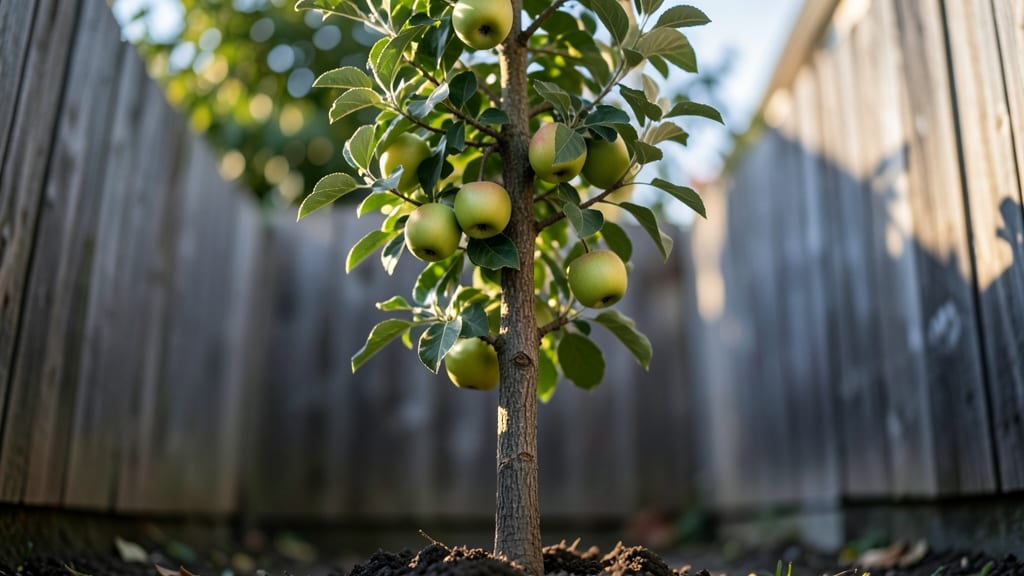
If narrow spaces between fences or tight urban corners have you dreaming of fruit trees but despairing of space, the columnar apple tree (Malus domestica) is your game-changer. This slender marvel grows just 6-12 feet tall but only 2-3 feet wide, making it perfect for squeezing into vertical spaces where traditional trees would never fit.
Plant it in full sun with well-draining soil, and you’ll enjoy small, crisp apples (about the size of golf balls) along its upright trunk by late summer. Unlike bush varieties, columnar apples need minimal pruning—just trim the top occasionally to control height. Many varieties produce fruit without cross-pollination, and their compact size makes harvesting a breeze. 🌟
Urban gardeners and small-space enthusiasts will love how this tree turns wasted vertical space into a productive fruit source. Plus, its tidy form adds elegant structure to any garden. 🌻
Jostaberry (Ribes nidigrolaria)
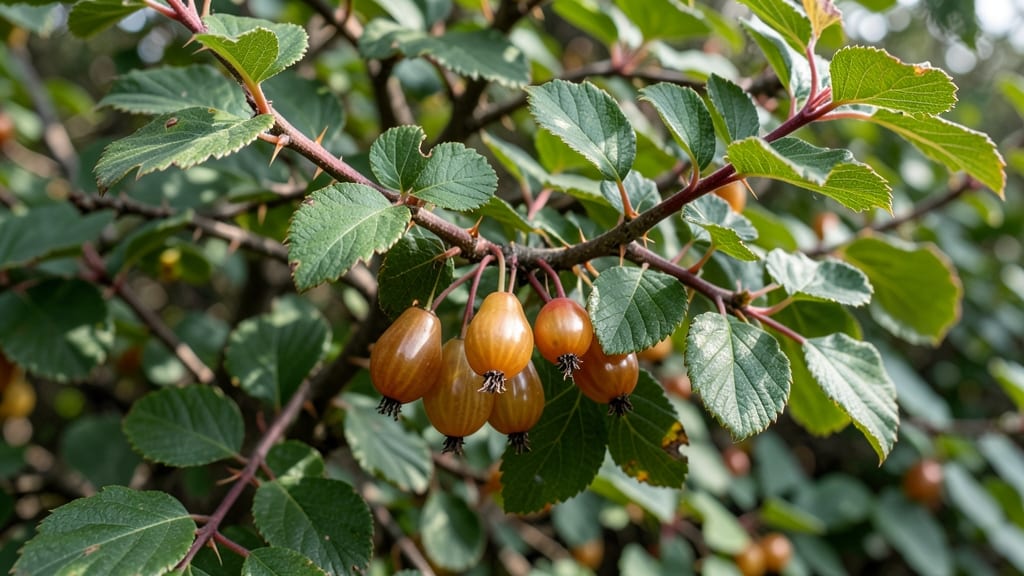
If you love the idea of growing your own fruit but have limited space, the jostaberry (Ribes nidigrolaria) is a hidden gem worth discovering. This unique hybrid combines the best of currants and gooseberries, producing small, pear-shaped fruits that burst with tart, aromatic flavor—perfect for jams, fresh eating, or even cocktails.
Thriving in compact gardens, containers, or raised beds, jostaberries grow as a low, bushy shrub (typically 3-5 feet tall) and thrive in full sun to partial shade. They’re also disease-resistant and adaptable to various soil types, making them a low-maintenance choice. Harvest the glossy red fruits in late summer to early fall when they’re fully colored and slightly soft to the touch.
Ideal for urban gardeners, small-space growers, or anyone who loves unique flavors, jostaberries add a touch of whimsy and productivity to any garden. 🌟
Dwarf Quince 'Champion' (Cydonia oblonga)
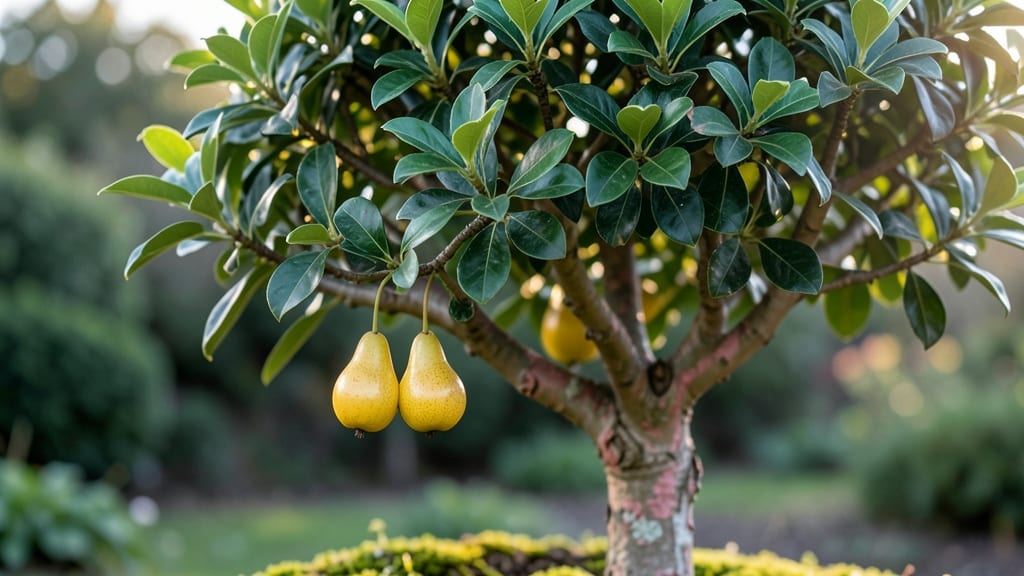
If you love the idea of harvesting fragrant, pear-shaped fruits but don’t have room for a full-sized tree, Dwarf Quince 'Champion' is your answer. This compact beauty produces highly aromatic fruits perfect for preserves, while its glossy, ornamental foliage adds year-round interest to small gardens or containers.
Growing just 8-10 feet tall, this drought-tolerant tree thrives in full sun to partial shade and prefers well-draining soil. Plant it in spring or early fall for best results, and expect sweet, golden-yellow fruits to ripen in late summer to early fall. While the raw fruit is tart, its intense fragrance and perfect shape make it ideal for jams, jellies, or even marmalade.
Urban gardeners and homesteaders will appreciate its dual-purpose nature—beautiful enough for landscaping but productive enough for the kitchen. 🌻
Dwarf Mulberry 'Illinois Everbearing' (Morus microcarpa)

If you’re craving a fast-growing fruit tree that fits in tight urban spaces but still delivers a bountiful harvest, the dwarf mulberry 'Illinois Everbearing' (Morus microcarpa) is your answer. This compact powerhouse matures at just 10-15 feet tall, making it ideal for sidewalks, small yards, or even large containers—without sacrificing productivity.
Unlike traditional mulberries, this variety produces sweet, pear-like berries that ripen in two flushes (early summer and late summer), ensuring a longer harvest window. It thrives in full sun to partial shade and tolerates a wide range of soil types, including urban soils with minimal organic matter. With minimal pruning, you’ll enjoy lush foliage and clusters of dark purple-black fruits that birds and humans alike will love.
Perfect for city dwellers or anyone with limited space, this tree combines ornamental beauty with edible rewards, making it a standout choice for small gardens. 🌻