
Pruning
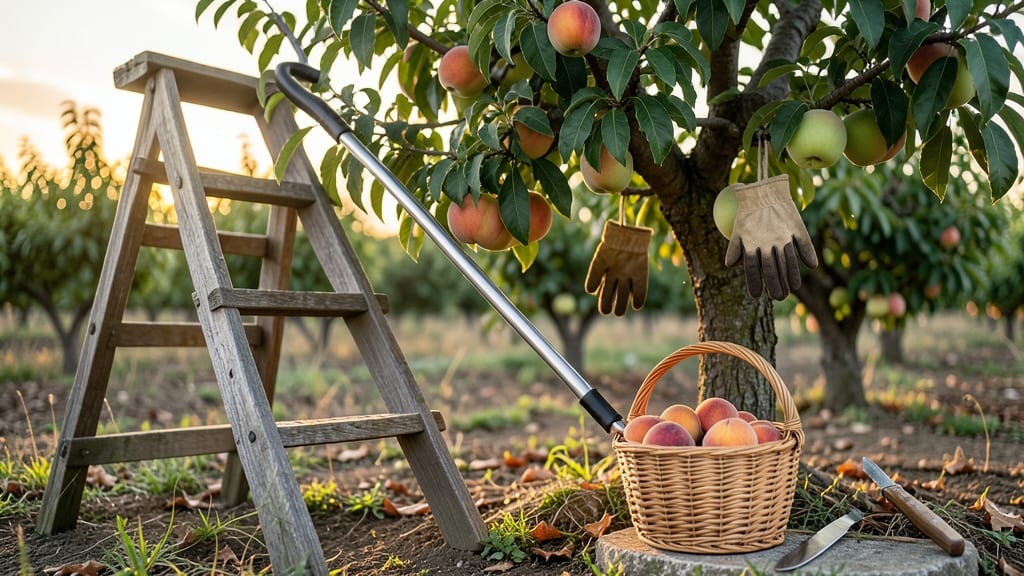
Strategic fruit tree picking turns a single harvest into a season-long feast. 🌳 I’ve learned the hard way that timing and technique make all the difference—whether it’s peaches that split if left too long or apples that never ripen properly off the tree.
The right approach means fewer bruised fruits, sweeter flavors, and trees that produce better next year.
Start by knowing your fruit’s cues: color changes, slight give when gently lifted, and that unmistakable aroma are your best guides. Apples and pears ripen after picking, while stone fruits like peaches and plums must be picked at peak ripeness.
Tools matter too—use harvest bags to protect delicate skin and pruning shears for branches, but always hand-pick when possible to avoid damage.
What you’ll end up with is a bountiful harvest that lasts all season—think crisp apples in fall, juicy peaches in summer, and citrus that stays fresh longer.
Post-harvest care is just as important: store fruits properly, remove any damaged ones immediately, and clean up debris to prevent pests from moving in for winter.
This works for backyard orchards, small homesteads, or even a single citrus tree in a pot. The key is paying attention to your trees throughout the growing season, adjusting as needed. Ready to turn your harvest from good to exceptional?
📚 In This Guide
- What you need
- Instructions
- Tips and common mistakes
- Wrapping up and next steps
What you need
- ● Pruning Shears: Sharp, bypass shears (2–4 pairs) for clean cuts on branches up to ½-inch thick.
- ● Loppers: Heavy-duty, bypass or anvil type (1–2 pairs) for branches ¾–1½ inches thick.
- ● Pruning Saw: Curved-tooth saw (1) for thick branches (1½+ inches).
- ● Gloves: Cut-resistant, gardening gloves (1–2 pairs) to protect hands from thorns and sap.
- ● Ladder: Sturdy, extendable ladder (1) for tall trees (ensure it’s rated for your height needs).
- ● Disinfectant: 70% rubbing alcohol or bleach solution (1 bottle) to sterilize tools between cuts.
- ● Harvest Bags/Buckets: Mesh or canvas bags (5–10) for delicate fruit; sturdy buckets (2–3) for heavier harvests.
- ● Twine or Zip Ties: For securing branches during pruning (1 roll).
- ○ Pruning Sealant: Optional but helpful for large cuts (1 tube) to prevent disease.
- ● Knowledge: Basic understanding of fruit tree anatomy (e.g., water sprouts, suckers) and pruning techniques (e.g., heading cuts, thinning).
- ● Weather Check: Prune on a dry, cloudy day to reduce stress on the tree.
- ○ Safety Gear: Optional—safety glasses (1 pair) and ear protection (if using a chainsaw for large orchards).
- ○ Tree Tags: Optional—label makers (1) to mark pruned branches for future reference.
- ○ First Aid Kit: Optional but wise for minor cuts or scrapes (1 small kit).
Step-by-Step guide to strategic fruit tree picking
Here's how I extend the harvest season by pruning and picking at the right times.
🌱 Step 1: Identify Your Tree's Variety and Maturity Stage
First, know what you're dealing with—different fruit trees have distinct ripening patterns. Stone fruits like peaches and plums ripen all at once, while apples and pears mature gradually over weeks. I always check the tree's label or consult a local extension office if unsure. Look for the first few ripe fruits as your cue—they'll be slightly softer than unripe ones and may change color.
Run your fingers gently over the fruit's surface. A ripe peach gives slightly under pressure, while an apple will feel firm but yield to a gentle squeeze. This tactile check beats guessing by color alone, especially with varieties that ripen unevenly. Write down the first harvest date—it becomes your baseline for future years.
☀️ Step 2: Time Picking Based on Sun Exposure and Weather
Pick fruit in the early morning when temperatures are coolest—this preserves freshness and prevents bruising. Avoid picking after rain or when the fruit is wet, as moisture speeds up decay. I schedule my harvests for 3-5 days after a sunny spell, when the fruit has fully matured but hasn't been stressed by heat.
Watch the forecast too. If a heatwave is coming, harvest sooner—ripe fruit will overripen quickly on the tree. For stone fruits, a light frost can actually improve flavor, so I wait until just before the first expected frost if my variety benefits from it. Always carry a small bucket with you—never toss unripe or damaged fruit on the ground.
✂️ Step 3: Prune Strategically to Extend the Harvest Season
Prune in late winter or early spring before buds swell, removing 1/3 of the tree's oldest branches each year. This opens the canopy to sunlight, which ripens fruit more evenly. I focus on thinning out crowded branches—too many fruits on one branch lead to small, sour harvests. Use clean, sharp pruning shears to make cuts just above outward-facing buds.
After the initial spring prune, do a light summer pruning to remove any water sprouts (fast-growing vertical shoots) and dead or diseased branches. This keeps energy flowing to the remaining fruit. Never remove more than 10% of the tree's foliage in one session—you'll shock the tree and reduce next year's harvest.
🍎 Step 4: Harvest in Stages for Longer Freshness
Don't pick all the fruit at once—space out harvests by 3-5 days for apples and pears, or 1-2 days for stone fruits. I start by picking the lowest, most accessible fruit first, then work my way up. Use a fruit picker or small ladder for higher branches, but never stand on the tree itself—you'll damage the bark and risk injury.
Store harvested fruit in a single layer in the refrigerator, not stacked. Apples and pears last 2-4 weeks, while stone fruits keep for 3-5 days at most. For long-term storage, wrap individual fruits in paper towels to absorb moisture and prevent rot. Label each variety with the harvest date—this helps you track ripening patterns year after year.
🪴 Step 5: Post-Harvest Care to Prepare for Next Season
After picking, remove all fallen fruit, leaves, and debris from under the tree to prevent pests and diseases. I rake thoroughly and dispose of organic waste in a sealed bin. Apply a 2-3 inch layer of mulch around the base (but not touching the trunk) to retain moisture and suppress weeds. This also protects roots from temperature swings.
Take notes on this year's harvest—what ripened early, what stayed on the tree too long, and any pests you noticed. I jot down pruning details too, like which branches needed thinning. By next season, you'll adjust your timing and technique to maximize both quantity and quality. A little planning now means bigger, better harvests later.
Tips & tricks for perfect fruit tree picking
A few simple strategies will transform your fruit tree from seasonal disappointment to year-round bounty.
Variety-Specific Tactics: Stone fruits like peaches and plums ripen all at once, so harvest them within that 1-2 day window mentioned in Step 4. For apples and pears, which mature gradually, focus on picking when 20-30% of the fruit on each branch shows color change and softness. This staggered approach prevents overloading your storage space while maximizing flavor development.
Weather Watch: The 3-5 day sunny spell guideline in Step 2 is your best friend, but don't ignore the forecast's nuances. If a heatwave is predicted within 48 hours of your planned harvest, bring forward your picking schedule. Stone fruits, especially, will develop mealy textures when exposed to prolonged heat after ripening. I keep a small weather app on my phone just for this purpose—it's saved me from multiple disappointing harvests.
Pruning Precision: When removing 1/3 of the oldest branches in Step 3, prioritize those with thick, gnarled wood that's no longer producing quality fruit. These branches compete with younger growth for nutrients. Also, make your cuts at a 45-degree angle just above an outward-facing bud—this encourages new growth in the right direction. I mark branches I plan to remove with colored tape in winter, so I'm not guessing during the actual pruning.
Storage Secrets: That single-layer refrigerator storage in Step 4 works wonders, but here's the pro move: place a paper towel between each layer of fruit when storing. This absorbs excess moisture that would otherwise cause rot. For long-term storage, I also include a small apple with each sealed container—the ethylene gas it releases helps maintain freshness in other fruits. Just don't store apples with stone fruits, as they'll cause them to spoil faster.
Pro Tips for Fruit Tree Picking
- A few simple strategies will transform your fruit tree from seasonal disappointment to year-round bounty.
- Variety-Specific Tactics: Stone fruits like peaches and plums ripen all at once, so harvest them within that 1-2 day window mentioned in Step 4.
- Weather Watch: The 3-5 day sunny spell guideline in Step 2 is your best friend, but don't ignore the forecast's nuances.
Frequently asked questions
Got questions about fruit tree picking?
You’re not alone! Here are answers to the most common concerns—from timing to troubleshooting—to help you make the most of your harvest.
When is the best time to pick fruit from a tree?
The ideal time depends on the fruit! Most fruits (like peaches, plums, and apples) ripen in late summer to fall. Test readiness: Gently twist or tug—if it separates easily from the branch, it’s ready. Citrus and berries often ripen gradually, so check weekly. Overripe fruit bruises easily, so act fast!
How do I pick fruit without damaging the tree or the fruit?
Use gentle techniques to avoid harm:
- Hand-picking: Grasp the fruit firmly near the stem and twist slightly.
- Avoid yanking: Pulling too hard can tear branches or leave scars.
- Use pruners for stubborn fruit: Cut the stem cleanly just above the fruit.
- Work on dry days: Wet fruit slips, increasing bruising risk.
What if my fruit isn’t ripening evenly on the tree?
Uneven ripening is common! Causes include:
- Sun exposure: Shadier branches may ripen slower.
- Water stress: Inconsistent watering delays ripening.
- Variety differences: Some fruits (like figs) ripen in stages.
Try thinning overripe fruit to redirect energy to others, or pick early and ripen indoors (e.g., bananas or avocados in a paper bag with an apple).
Can I pick fruit too early and ripen it later?
Yes! Many fruits (like apples, pears, and avocados) can be picked firm but ripe and stored at room temp or in a cool, dark place. Others (like peaches and plums) won’t ripen further after picking—wait until they’re fully colored and fragrant. Test one first!
What do I do if pests or disease appear after picking?
Act fast to protect next season’s harvest:
- Remove damaged fruit immediately: Compost or trash it don’t save it!
- Prune infected branches: Cut 6+ inches below visible damage.
- Clean up debris: Rake leaves/fruit to reduce pest hiding spots.
- Apply organic sprays (if needed): Neem oil or copper fungicide can help.
Prevention is key: Monitor trees regularly and prune for airflow during dormant seasons.
Wrapping up and next steps
Fruit tree picking isn’t just about reaping delicious rewards—it’s a rewarding cycle of care, patience, and strategy. By mastering season-long pruning, you’ll unlock healthier trees, bigger harvests, and fewer pests, turning your backyard into a year-round bounty. 🌳✨
Ready to dive in? Start small—pick one tree this season, gather your tools, and follow the steps. Before you know it, you’ll be savoring the fruits of your labor (literally!). Happy pruning—and even happier picking!