
Pruning
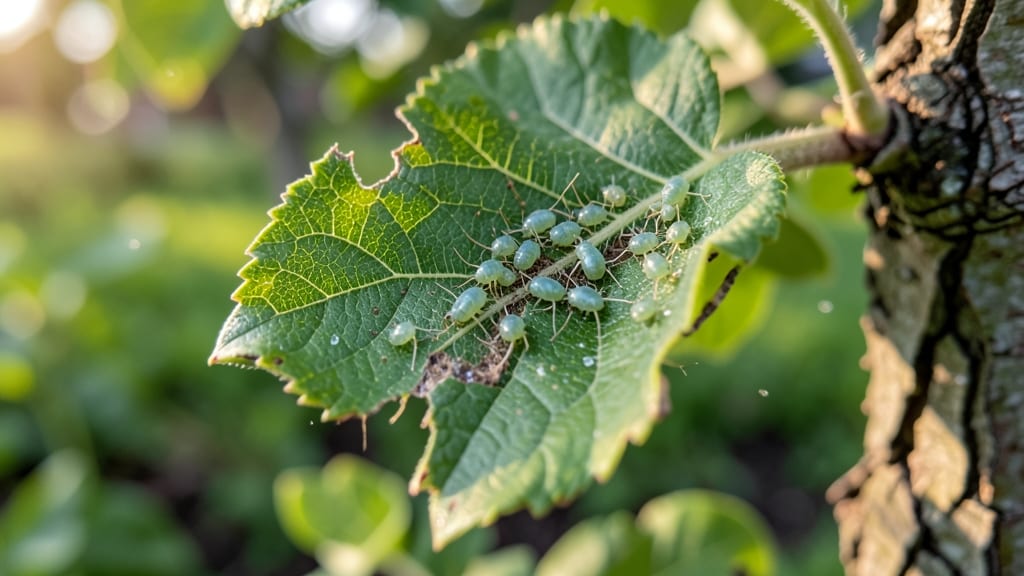
Identifying tree insects before they ruin your trees is like catching a thief in the act—early tree insects identification saves your yard. 🌳 I’ve spent years watching my own trees get attacked by everything from tiny aphids to wood-boring beetles, and the key is knowing what to look for before the damage becomes permanent.
A single chewed leaf or strange sawdust-like frass can mean the difference between a healthy tree and one that’s beyond saving.
The worst part? Many pests hide until it’s too late. Bark beetles, for example, burrow under the bark, leaving only tiny holes and sawdust piles as clues. Aphids, on the other hand, cluster on new growth, sucking sap and leaving sticky residue that ants love.
The good news? Most infestations start with visible signs—if you know where to look. A hand lens or even a magnifying glass can turn you into a pest detective in minutes.
By the end of this guide, you’ll recognize the most common culprits in your area and know exactly what to do—whether that’s blasting them off with water, introducing beneficial predators, or calling in the big guns for severe cases.
The goal? Healthy trees that stay strong, year after year, without the guesswork. Let’s get started with the visual clues that’ll change how you inspect your yard.
No two regions deal with the same pests, but the early warning signs are universal. Whether you’re in the Southeast battling gypsy moths or the West dealing with bark beetles, the first step is always the same: slow down, look closely, and act fast. Your trees will thank you.
Root Causes Of Tree Pests
When it comes to tree insects, understanding why they invade is half the battle. Most infestations aren’t random—they’re driven by specific ecological triggers that make your trees look like an all-you-can-eat buffet to hungry pests.
Let’s break down the key reasons these critters show up in your yard, so you can address the real problem, not just the symptoms.
Stressed trees are like neon signs for insects. When a tree is struggling—whether from drought, poor soil, or disease—its natural defenses drop, making it an easy target. Here’s how it happens:
- 🌡️ Nutrient Deficiencies Trees lacking essential nutrients (like nitrogen, phosphorus, or potassium) produce weaker bark and sap, which attracts sap-sucking insects like aphids, scale, or bark beetles. Think of it like a human with a vitamin deficiency—your immune system can’t fight off invaders.
- 💧 Water Stress Overwatering or drought weakens tree roots, reducing their ability to transport nutrients. This stress signals to insects that the tree is vulnerable. Example: Drought-stressed oaks are prime targets for pine bark beetles, which detect chemical changes in the tree’s resin.
- 🦠 Disease or Fungal Infections Fungi like Armillaria root rot or bacterial diseases (e.g., fire blight) create entry points for insects. Wood-boring beetles and sawflies often follow fungal damage, exploiting the compromised wood.
Actionable Fix: Conduct a soil test to check nutrient levels and adjust with organic fertilizers. Mulch properly to retain moisture and improve root health.
Climate, landscape changes, and even human activity can turn your yard into an insect hotspot. These factors create the perfect storm for pests:
- 🌡️ Climate Change Warmer winters mean fewer insect die-offs, allowing populations to explode. Example: The emerald ash borer thrives in mild winters, devastating ash trees across the U.S.
- 🏡 Urbanization & Monoculture Landscaping Planting only one type of tree (e.g., a neighborhood full of maples) creates a buffet effect. Insects specialize in specific hosts, so uniform landscapes become breeding grounds. Diversity is your best defense!
- 🌳 Poor Pruning Practices Over-pruning or wounding trees (e.g., from lawnmowers or string trimmers) creates open gates for wood-boring beetles and borers. Always prune in late winter/early spring to minimize risk.
Actionable Fix: Mimic natural ecosystems by planting a mix of native trees. Avoid heavy pruning during peak insect seasons (spring/summer).
Some insects are just always there—it’s when their numbers spiral out of control that they become pests. Here’s why:
- 🔄 Generational Outbreaks Many tree insects (like gypsy moths or tent caterpillars) have natural population cycles. When food (your trees!) is abundant, they reproduce rapidly. Example: A single female gypsy moth can lay 50+ eggs, leading to defoliation in just one season.
- 🐝 Lack of Natural Predators Pesticides or habitat loss can disrupt the balance. Ladybugs, birds, and parasitic wasps normally keep insect populations in check—but if they’re gone, pests take over.
- 🌳 New Invaders & Non-Native Species Invasive insects (like the Asian longhorned beetle) have no natural predators in North America. They outcompete native species and spread rapidly due to lack of ecological resistance.
Actionable Fix: Encourage biodiversity with pollinator-friendly plants and avoid broad-spectrum pesticides. If an invasive species is detected, report it to local agricultural extensions immediately.
Sometimes, we bring the pests home. Unintentional actions can introduce insects to your trees:
- 🌳 Moving Infested Firewood Bark beetles and borers hitchhike on firewood. Never move firewood across regions—it’s a top way invasive species spread.
- 🛒 Buying Infested Plants or Trees Nursery stock can carry hidden pests like spider mites or scale insects. Always inspect new plants before bringing them home.
- 🚗 Travel & Trade Global shipping and travel introduce new species. Example: The brown marmorated stink bug hitched rides on shipping containers and is now a major pest.
Actionable Fix: Quarantine new plants for 2–4 weeks, inspect firewood before transport, and support local nurseries that test for pests.
Fixing Tree Pest Problems Fast
Now that you’ve identified the culprits wreaking havoc on your trees, it’s time to act! The good news? Most tree insect issues can be managed with targeted, practical solutions—whether you’re dealing with chewers, sap-suckers, or leaf miners.
Below, we map common pests to their fixes, plus prevention tips to keep your trees thriving long-term.
Problem: These pests munch on leaves, bark, or wood, causing visible damage like skeletonized foliage or oozing sap. How to Fix It:
🔥 Manual Removal (For Small Infestations)
- Handpick caterpillars or beetles early in the morning when they’re sluggish. Drop them into soapy water to eliminate them.
- Prune and destroy heavily damaged branches (bag them first to prevent spreading eggs).
🍳 Organic Sprays (Safe for Most Trees) - Neem oil spray (🌿): Disrupts feeding and reproduction. Mix 1 tbsp neem oil + 1 tsp mild soap in 1 quart of water.
Spray evenly on both leaf surfaces, especially undersides where eggs hide. - Bacillus thuringiensis (Bt): A bacterial spray safe for humans and pets that targets caterpillars. Reapply after rain.
👨🍳 Physical Barriers (For Borers)
- Wrap tree trunks with tree banding material (like Tanglefoot) to trap emerging beetles. Remove and replace bands annually to avoid girdling the tree.
- Drill and inject beneficial nematodes (like Steinernema carpocapsae) into borer holes to kill larvae naturally.
⏰ Timing Is Key
- Monitor egg masses (e.g., tent caterpillars) and treat before larvae hatch. Check weekly during peak season (spring/summer).
Problem: These tiny invaders pierce leaves/stems, leaving sticky honeydew (which attracts soot mold) and stunted growth. How to Fix It:
💦 Water Blasts (For Soft-Bodied Pests)
- Aphids and mealybugs hate water! Use a strong hose spray to dislodge them from leaves. Repeat every 3–5 days during outbreaks.
🌡️ Soap or Oil Sprays (Knocks Them Out)
- Insecticidal soap (1.5 tbsp liquid soap + 1 quart water): Spray directly on pests (avoid hot days—it can burn leaves).
- Horticultural oil (dormant season): Apply in early spring to smother overwintering scale/mites. Reapply after rain.
🎯 Beneficial Insects (Nature’s Pest Control)
- Ladybugs, lacewings, or parasitic wasps devour aphids. Buy them online or attract them with native plants (e.g., dill, yarrow).
- Release them at dusk when pests are active but predators are less stressed.
🧹 Clean-Up Routine
- Wipe honeydew off leaves with a damp cloth to prevent soot mold.
- Remove infested leaves and dispose of them in sealed bags.
Problem: These pests tunnel inside leaves or create swollen galls, weakening the tree’s ability to photosynthesize. How to Fix It:
🔪 Prune Strategically
- Cut out and destroy heavily mined leaves (wear gloves—some cause skin irritation).
- Thin dense foliage to improve airflow, reducing humidity that attracts midges.
🌿 Preventive Sprays
- Kaolin clay (e.g., Surround WP): Creates a barrier that deters egg-laying. Mix and spray weekly during peak season.
- Pyrethrin spray (last resort): Organic but toxic to bees—use only at dusk and avoid flowering trees.
🌱 Soil Health Boost
- Aerate compacted soil to reduce stress (stressed trees attract more pests).
- Apply compost or mycorrhizal fungi to strengthen roots naturally.
Once you’ve tackled the current infestation, proactive care is your best defense:
- 💡 Inspect trees weekly during growing seasons.
Catch pests early! - 🌿 Promote tree health: Water deeply during droughts, fertilize with balanced organic fertilizer, and prune to improve sunlight. - 🎯 Avoid over-fertilizing: Soft new growth attracts aphids and scale. - 🌳 Plant resistant varieties: Choose native or pest-resistant trees (e.g., oak varieties resistant to gypsy moths). - 🧹 Clean up debris: Fallen leaves and branches harbor overwintering eggs.
If you spot:
- Large-scale borer damage (oozing sap, sawdust-like frass).
- Persistent infestations despite treatment.
- Dying branches or structural weakness.
A certified arborist can assess whether your tree needs injected pesticides, cabling, or removal—especially for high-value or mature trees.
Remember: Patience and consistency are key. Most tree pests can be managed without harsh chemicals if you act quickly and stay vigilant. Your trees will thank you with lush, healthy growth! 🌳✨
Frequently asked questions
What’s the easiest way to tell if my tree has an insect problem?
Look for three key signs: chewed leaves (especially skeletonized patterns), sticky residue (honeydew), or tiny holes in bark. Check the undersides of leaves and tree trunks—most pests hide there. A hand lens helps spot eggs or larvae you’d miss with your eyes.
Can I use a smartphone app to identify tree insects?
Apps like PictureThis or iNaturalist let you upload photos of pests, damage, or even the tree itself. They’ll suggest likely culprits and sometimes offer control tips. Just avoid relying solely on apps—cross-check with a field guide for accuracy.
Are some trees more prone to insect attacks than others?
Yes! Fast-growing trees (like willows or poplars) and non-native species (such as Bradford pears) are often targeted. Native trees usually have natural defenses, but stressed trees of any type become vulnerable. For example, oaks attract gypsy moths while elms may suffer from Dutch elm disease vectors.
How do I know if an infestation is serious enough to call a pro?
Watch for large-scale dieback, oozing sap, or sawdust-like frass at the base of the trunk—these signal wood-boring beetles. If you see cracked bark or wilted branches despite treatment, a certified arborist can assess whether the tree needs systemic pesticides or removal.
What’s the best time of year to treat tree pests?
Early spring (before buds open) and late summer (after major growth) are ideal. This timing avoids harming beneficial insects and catches pests when they’re most vulnerable. For example, apply horticultural oil in dormant season to smother overwintering eggs.