
Pruning
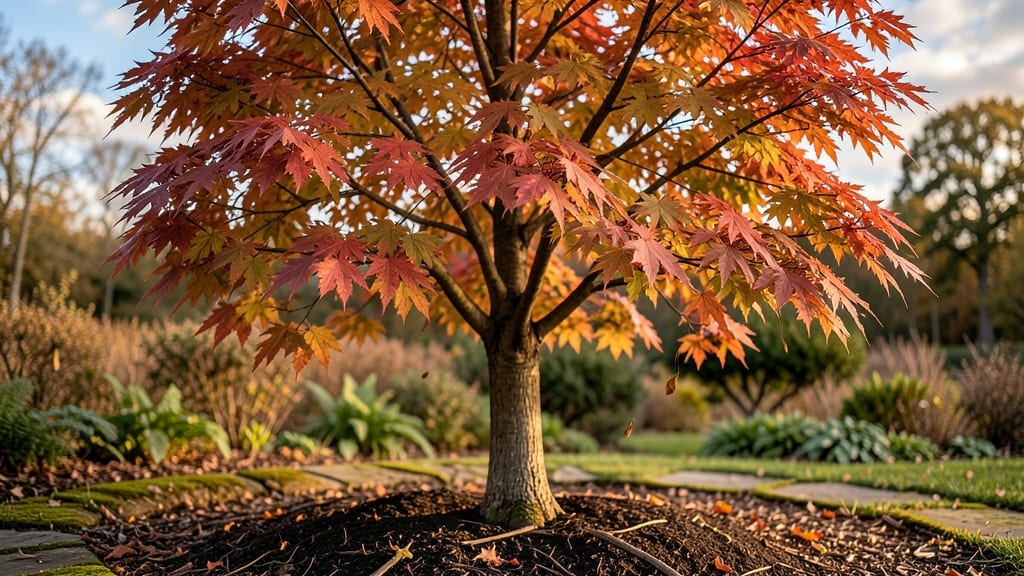
Your tree in different seasons transforms from a winter skeleton to a summer canopy—and every season in between. 🌳 The right pruning calendar keeps it healthy and stunning, turning ordinary trees into year-round showpieces that neighbors envy.
I’ve watched my own maple shift from bare branches in January to fiery red foliage by November, all because of timed cuts and seasonal care.
Spring is for cleanup, summer for shaping, fall for preparation, and winter for planning. Each season demands a different approach: prune flowering trees after blooms fade, remove dead wood in late winter, and avoid heavy cuts when sap runs high.
My one rule: never prune when the tree is stressed—like during drought or extreme cold. The payoff? Vibrant blooms, stronger structure, and that "just-picked-from-a-painting" look all year.
You’ll end up with a tree that’s not just alive but thriving—its branches balanced, its foliage lush, and its seasonal transitions dramatic. The key is consistency: a little attention each season prevents major fixes later.
Think of it like a living sculpture that changes with the weather, always putting on a new show.
Works for any tree—deciduous, evergreen, or fruit-bearing—just adjust timing based on your climate. Here’s how to match your tree’s natural rhythm with the right pruning schedule, step by step.
📚 In This Guide
- What you need
- Instructions
- Tips and common mistakes
- Wrapping up and next steps
What you need
- ● Pruning shears: Bypass shears (for cuts under ½ inch) – 1 pair (look for stainless steel blades for durability).
- ● Loppers: For branches ½ to 1½ inches thick – 1 pair (choose ratcheting or bypass for precision).
- ● Pruning saw: For thick branches (1½+ inches) – 1 saw (bow or folding saw with sharp teeth).
- ● Extension pole: 6–12 ft. (adjustable) – 1 pole (for high branches; attach shears or saw).
- ● Gloves: Heavy-duty, cut-resistant – 1 pair (gardening or pruning-specific).
- ● Disinfectant: 70% isopropyl alcohol or pruning sealant – small bottle (to sterilize tools between cuts).
- ○ Twine or zip ties: For supporting branches – 1 roll (optional but helpful for weak limbs).
- ● Safety glasses: – 1 pair (protects from debris).
- ● Work boots: Sturdy, closed-toe – 1 pair (prevents injuries from falling branches).
- ● Trash bags: Heavy-duty – 2–3 bags (for collecting pruned branches).
- ○ Rake or leaf blower: – 1 tool (for cleanup; optional but convenient).
- ● Winter: Tree wrap or frost cloth – 1 roll (protects young trees from cold).
- ● Spring: Fertilizer (balanced 10-10-10) – small bag (apply after pruning).
- ● Summer/Fall: Mulch – 2–3 bags (retains moisture; apply 2–3 inches around the base).
Step-by-step pruning calendar for year-round tree care
Here's the seasonal pruning routine I've used to keep my trees vibrant through every season.
✂️ Step 1: Late Winter Pruning (Dormant Season) for Structural Health
This is the best time to remove dead, diseased, or crossing branches while the tree is dormant. Start by identifying branches that are dead (no green bark or buds) or diseased (mushrooms, cankers, or discolored wood). Use sharp pruning shears to make clean cuts just outside the branch collar—the swollen area where the branch meets the trunk.
Remove any branches that are rubbing against each other, as these will eventually create wounds that invite pests. I also look for branches growing toward the center of the tree—these compete for sunlight and weaken the structure. Aim to prune no more than 25% of the tree's canopy in one session to avoid stressing the tree.
🌱 Step 2: Early Spring Pruning (Before Leafing Out) for Flowering Trees
If your tree produces spring blooms—like cherry, magnolia, or crabapple—prune immediately after flowering but before new growth begins. This ensures you don’t remove next year’s flower buds. Look for water sprouts (fast-growing vertical shoots) and suckers (shoots growing from the base), as these drain energy from the tree.
For flowering trees, I focus on thinning the canopy to improve air circulation and sunlight penetration. Remove branches that are overcrowded or growing inward, cutting back to a lateral branch or bud. Avoid heavy pruning—just light shaping to maintain the tree’s natural form. This timing also prevents the spread of fungal diseases that thrive in wet spring conditions.
☀️ Step 3: Summer Pruning (Mid-Season) for Shaping and Health
Light summer pruning helps maintain the tree’s shape and removes any new growth that appeared after spring. The key is to prune only when necessary—never more than 10-15% of the canopy in one session. Look for dead or diseased branches that may have appeared since spring, as well as any branches that are growing too aggressively or blocking walkways.
I use a bypass pruner for smaller branches and loppers for thicker stems. Always make cuts just outside the branch collar at a 45-degree angle if the branch is larger than ½ inch in diameter. Summer is also the time to remove any shoots growing from the base (suckers) or low-hanging branches that could become tripping hazards.
🍂 Step 4: Fall Pruning (After Leaf Drop) for Winter Preparation
Fall is the time to remove any remaining dead, diseased, or weak branches before winter sets in. Prune after the leaves have fallen but before the first hard frost—typically in late October or early November, depending on your climate. Focus on removing branches that are crossing or rubbing, as these can create wounds that won’t heal properly in cold weather.
I also check for any storm damage or broken branches that may have occurred during the summer or early fall. If you have a tree that produces fall color—like maple or oak—avoid heavy pruning, as this can reduce next year’s foliage. Instead, limit yourself to light shaping and cleanup pruning to keep the tree healthy without sacrificing its seasonal beauty.
⏰ Step 5: Year-Round Monitoring for Timely Adjustments
Between scheduled pruning sessions, keep an eye out for new growth, dead branches, or signs of disease. If you notice a branch dying or a pest infestation, address it immediately—even if it’s not the official pruning season. I check my trees every 4-6 weeks during the growing season to catch issues early.
Use a hand lens or magnifying glass to inspect buds and bark for signs of pests or disease. If you spot sawdust-like frass (insect droppings) or honeydew (sticky residue), that’s a sign of an infestation. Prune affected branches 6-12 inches below the visible damage to ensure you remove the entire infested section. This proactive approach keeps your tree healthy year-round.
Tips & tricks for perfect year-round tree care
Here's what nobody tells you about keeping your trees thriving through every season—these are the details that make all the difference.
Tool Selection Matters: Invest in a quality bypass pruner for clean cuts on branches up to ½ inch in diameter. For thicker branches, loppers with bypass blades are essential—they create smoother wounds that heal faster. I've learned the hard way that dull tools crush bark instead of cutting cleanly, which invites disease. Always keep your tools sharp and clean between uses, especially after pruning diseased branches. This prevents cross-contamination that could spread fungal spores to healthy trees.
Seasonal Timing is Everything: The 25% canopy rule in late winter is non-negotiable—this prevents stressing the tree when it's most vulnerable. In spring, I've seen beginners over-prune flowering trees, removing next year's blooms by accident. Remember: prune flowering trees immediately after they bloom but before new growth starts. For summer pruning, never exceed 10-15% of the canopy—this maintains the tree's energy balance during peak growth. The 4-6 week monitoring schedule between seasons catches problems before they become major issues.
Visual Cues for Perfect Cuts: When making cuts, look for the branch collar—the swollen area where the branch meets the trunk. Make your cut just outside this collar at a 45-degree angle for branches larger than ½ inch. For smaller branches, cut just above the collar. I always check for the presence of buds or lateral branches when pruning—cutting above a bud encourages new growth in the right direction. This technique prevents ugly stubs that can collect water and rot over time.
Pest Prevention Strategy: The 6-12 inch rule below visible damage is crucial for pest control. When you see frass or honeydew, don't just trim the infected tip—remove the entire infested section to starve out the pests. I've found that using a hand lens to inspect buds and bark during my 4-6 week checks catches infestations early. For trees with fall color, remember that heavy pruning can reduce next year's foliage—stick to light shaping only during this season.
Pro Tips for Tree In Different Seasons
- Here's what nobody tells you about keeping your trees thriving through every season—these are the details that make a...
- Tool Selection Matters: Invest in a quality bypass pruner for clean cuts on branches up to ½ inch in diameter. For th...
- Seasonal Timing is Everything: The 25% canopy rule in late winter is non-negotiable—this prevents stressing the tree ...
Frequently asked questions
Got questions about keeping your trees vibrant through every season? Here are some answers to help you navigate the world of seasonal tree care with ease!
When is the best time to prune trees for seasonal color?
The ideal time depends on the tree type! For most flowering trees, prune right after they bloom (late spring to early summer). Evergreens and fruit trees often do best in late winter or early spring (before new growth starts). Always avoid pruning in extreme cold or heat to reduce stress on the tree.
Can I prune trees in winter?
Winter pruning is safe for dormant trees (like oaks, maples, and fruit trees), but avoid heavy pruning in freezing temps. Light trimming to remove dead branches is fine, but never prune in frost or snow—the wounds take longer to heal. Wait for mild, dry days for best results.
What if my tree isn’t blooming as expected after pruning?
Some trees need thin pruning (removing only dead or crossing branches) to encourage blooms. Over-pruning can stress the tree and reduce flowers. If blooms are still sparse, check for pests, disease, or improper timing. Adjust your pruning schedule or consult a local arborist for guidance.
Are there alternatives to traditional pruning for seasonal care?
Yes! Try selective thinning to improve airflow and light penetration, or crown lifting to enhance seasonal views. For delicate trees, topiary shaping (in summer) can maintain form without heavy cuts. Always use sharp, clean tools to prevent damage.
How do I know if I’ve pruned too much?
Watch for excessive leaf loss, stunted growth, or large, jagged wounds (bigger than ½ inch). If you’ve removed more than 25% of the tree’s canopy in one session, you’ve likely over-pruned. Let the tree recover with proper watering and avoid heavy pruning for at least a year.
Wrapping up and next steps
Watching a tree transform through the seasons isn’t just beautiful—it’s a year-round reminder of nature’s resilience and your gardening skills! 🌿 By following this pruning calendar, you’ll keep your tree vibrant, healthy, and full of seasonal surprises, from spring blooms to autumn’s fiery hues.
The key? Stay consistent, observe your tree’s unique needs, and adapt as the weather changes.
Ready to take the next step? Grab your pruning shears and schedule a quick check-in with your tree every few weeks. Small efforts now mean big rewards later. Happy pruning—your future blooms will thank you!