
Blooming
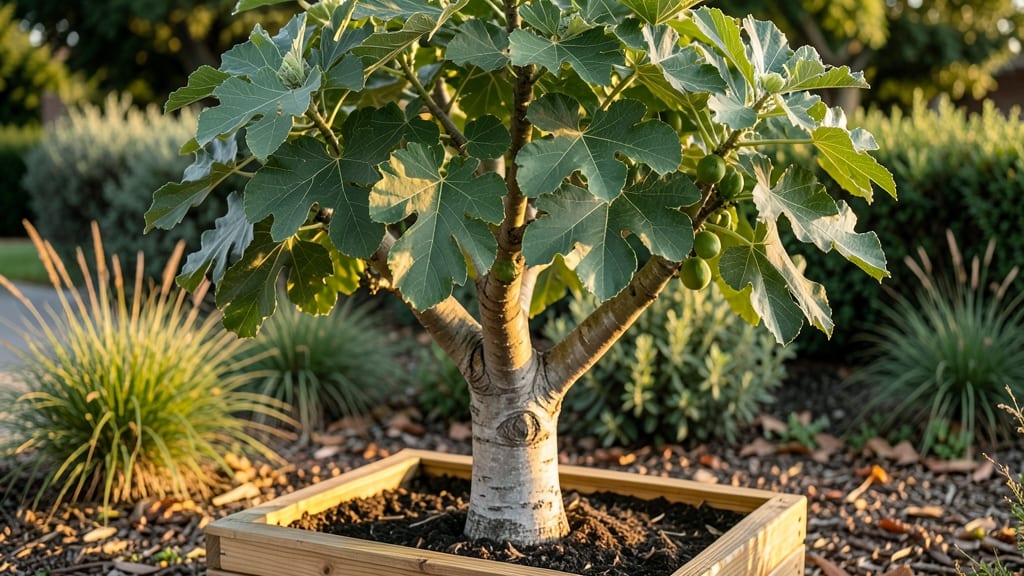
If you've ever planted a fig tree hoping for sweet, homegrown fruit, you might be wondering why your tree seems to take forever to bear. The truth is, fig trees have a natural timeline—but with the right care, you can accelerate fruit production significantly.
Whether you're growing a standard variety or a dwarf fig tree, understanding the stages helps set realistic expectations.
Most fig trees enter their first fruiting phase within 2 to 3 years when planted in the ground, but container-grown trees may take slightly longer due to root restrictions. Varieties like 'Celeste' or 'Brown Turkey' often produce fruit faster than others, making them great choices for impatient gardeners.
Climate also plays a role—warmer zones like 6a can speed up fruiting compared to cooler areas.
In this guide, I’ll break down the exact timeline for your fig tree’s growth stages, share proven tips to encourage earlier fruit, and highlight the best varieties for quick harvests.
By the end, you’ll know exactly what to expect—and how to give your tree the best shot at bearing delicious fruit sooner.
Fig tree fruit production timeline: what to expect year by year
When you plant a fig tree, patience is key—but knowing what to expect can make the wait feel more manageable. Most standard fig varieties like 'Brown Turkey' take 2-3 years to produce fruit, while faster varieties like 'Celeste' may bear fruit in as little as 1-2 years.
The timeline depends on factors like climate, soil quality, and care practices, so let’s break it down year by year.
In the first year, your fig tree focuses on root establishment and early growth rather than fruiting. You’ll see new leaves and a 1-2 foot height gain, but fruit production won’t happen yet. This stage is all about building a strong foundation for future harvests.
By year two, your tree enters its juvenile phase, where it may produce a few small, non-viable figs or just leafy growth. This is normal—your tree is still maturing.
If planted in optimal conditions (full sun, well-draining soil), some varieties like 'Desert King' might surprise you with edible figs by late summer.
Here’s a quick reference for what to expect each year, including key milestones and care tips:
| Year | Key Growth Stage | Height Gain | Fruit Production | Care Focus |
|---|---|---|---|---|
| 1 | Root Establishment | 1-2 ft | None | Water deeply, fertilize lightly |
| 2 | Juvenile Growth | 3-5 ft | Possible small figs (non-edible) | Prune for shape, monitor pests |
| 3 | Mature Fruit Production | 6-10 ft | First harvest (late summer) | Fertilize for fruit, protect from frost |
| 4+ | Full Production | 10-20+ ft | Abundant fruit (2-3 crops/year) | Prune for airflow, mulch annually |
The third year is when most fig trees finally deliver their first harvest-worthy fruit. You’ll notice larger leaves, thicker branches, and—if you’re lucky—fig clusters forming in late spring or early summer.
Varieties like 'Celeste' often produce earlier than others, so choosing the right type can shave off precious months of waiting.
By year four and beyond, your fig tree enters its peak production phase, yielding 2-3 harvests per year if cared for properly. This is when you’ll see the real rewards of your patience, with dozens of figs ripening in late summer and fall.
Proper pruning and fertilization during these years will maximize your yield.
One common misconception is that container-grown fig trees produce fruit faster than in-ground trees. While they may start bearing slightly earlier (sometimes in 1-2 years), their overall yield is often smaller due to limited root space.
If you’re growing in pots, choose dwarf varieties like 'Little Miss Figgy' for better results.
Climate plays a huge role in your fig tree’s timeline. In warmer zones (USDA 8-11), trees mature faster and may produce fruit in 1-2 years. In cooler climates (USDA 6-7), expect delays—some varieties may take 3-4 years to bear fruit. Providing w
5 Proven ways to speed up fig tree fruit production
Fig trees are patient plants—some varieties take 2-3 years to produce fruit, while others may wait even longer. But with the right strategies, you can cut that timeline by half and enjoy homegrown figs sooner.
The key lies in optimizing growth conditions, avoiding common mistakes, and giving your tree the care it craves. Let’s dive into five science-backed methods to accelerate fruiting and maximize your harvest.
First, understand that over-fertilizing with nitrogen is a silent killer of fruit production. Too much nitrogen boosts leafy growth but delays fruiting by diverting energy away from flower and fruit development.
Instead, focus on a balanced fertilizer with equal parts nitrogen, phosphorus, and potassium. Phosphorus, in particular, is crucial for root development and flowering, so prioritize it during early growth stages.
- 🌱 Year 1: Focus on root establishment—avoid heavy fruiting. Use compost-rich soil and light pruning to encourage strong branches.
- 🌿 Year 2: Introduce phosphorus-rich fertilizer (e.g., bone meal) in early spring to stimulate flowering. Prune spent fruit clusters to redirect energy.
- 🍈 Year 3+: Shift to low-nitrogen, high-potassium fertilizer (e.g., 5-5-10) to boost fruit quality and quantity. Mulch with straw or wood chips to retain moisture.
Pruning is another game-changer for faster fruiting. Many gardeners make the mistake of pruning too late in the season or removing too many branches at once. Instead, prune your fig tree in late winter or early spring before new growth begins.
Remove dead, diseased, or crossing branches to improve airflow and sunlight penetration. For container-grown figs, prune to encourage a bushier shape, which can lead to earlier and more abundant fruiting.
Watering plays a critical role in fig tree fruit production. While figs are drought-tolerant once established, inconsistent watering can stress the tree and delay fruiting. Aim for deep, infrequent watering—about 1-2 gallons per tree once a week during dry spells.
Water early in the morning to reduce evaporation and fungal risks. Overwatering, however, can lead to root rot, so ensure your soil is well-draining by amending it with sand or perlite if needed.
Temperature management is often overlooked but can drastically speed up fruiting. Figs thrive in warm climates and may struggle in cooler regions. If you’re in a USDA Zone 6 or colder, choose cold-hardy varieties like 'Chicago Hardy' or 'Celeste.'
For container-grown figs, move them to a sunny, sheltered spot in winter or use a greenhouse or cold frame to protect them from frost. Even a 5-degree temperature increase during flowering can boost fruit set significantly.
Finally, soil enrichment is the foundation of faster fruit production. Figs prefer well-draining, slightly acidic soil with a pH between 6.0 and 7.0. Test your soil and amend it with compost, aged manure, or worm castings to improve fertility.
Avoid fresh manure, which can burn roots and delay growth. If your soil is heavy clay, mix in sand or coconut coir to enhance drainage. Healthy soil means stronger roots, more flowers, and earlier fruit.