
Pests and Diseases
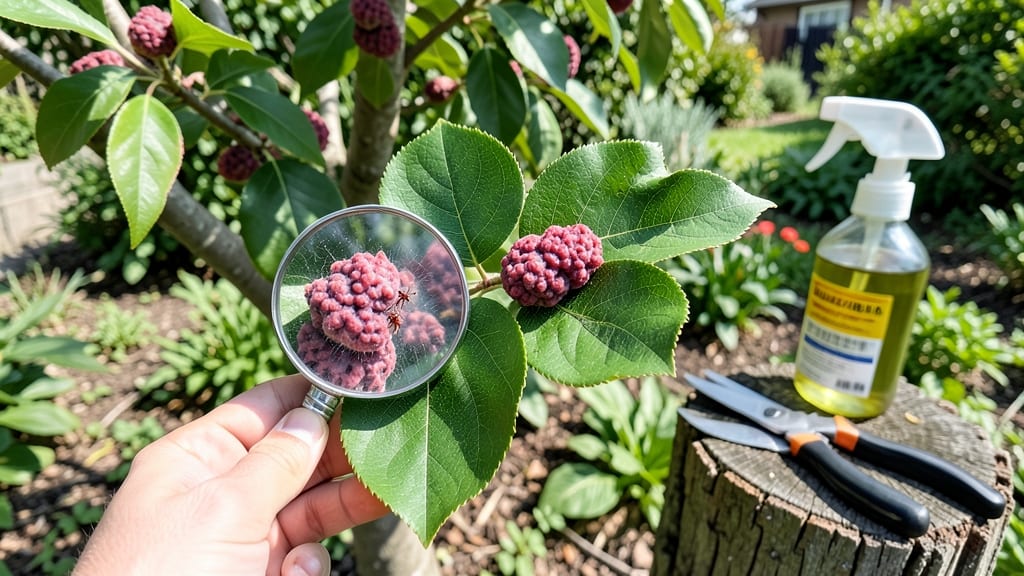
Seeing red bumps on peach tree leaves can turn a promising harvest into a frustrating mystery. 🌿 I’ve spent years tracking down these tiny troublemakers—from rust fungus to spider mites—and learned the telltale signs that save trees before damage spreads.
The bumps often start as tiny orange spots that turn rusty-red, or they might be barely visible webbing from mites. Rust fungus thrives in damp spring weather, while mites strike when trees are stressed.
The key is acting fast: prune infected leaves immediately, and don’t let fallen debris pile up near the trunk.
With the right organic treatments—neem oil, horticultural soap, or copper fungicide—you’ll stop the spread within weeks. I’ve revived trees that looked hopeless just by cleaning up the area, watering at the base (not overhead), and applying treatments at dusk when pests are most active.
This method works for backyard trees, container-grown peaches, and even young saplings. The secret is consistency: check leaves weekly during growing season, and you’ll catch problems before they take over.
Why it happens
When your peach tree’s leaves start developing red bumps, it’s often a sign that unseen forces are at work—whether microscopic invaders or environmental stressors. Understanding the root causes helps you take targeted action before the problem spreads.
Below, we break down the most common triggers, from fungal infections to insect activity, with clear explanations of how and why they happen.
🍄 Fungal Infections: The Silent Invaders
Fungi like Cercospora or Cladosporium thrive in warm, humid conditions and can cause reddish, raised bumps on peach leaves. These pathogens penetrate leaf tissue through stomata (tiny pores) or wounds, triggering a defensive response that forms visible lesions.
Over time, the bumps may darken, crack, or ooze spores, worsening the infection.
- Key signs: Red or purple bumps with yellow halos, often clustered on undersides of leaves.
- Why it happens: Fungal spores spread via wind, water, or contaminated tools. Poor air circulation (like dense foliage) or overhead irrigation creates ideal breeding grounds.
- Actionable tip: Prune for airflow and avoid wetting leaves during watering. Apply neem oil or copper fungicide as a preventive spray.
🐛 Insect Eggs and Mites: Tiny but Troublesome
Red bumps aren’t always fungal—they could be insect eggs or mite activity. Spider mites, for example, inject toxins into leaves, causing red or bronze discoloration and tiny bumps (their feeding sites). Meanwhile, aphid eggs or scale insects may appear as small, raised red dots clustered along leaf veins.
- Key signs: Bumps that look like tiny blisters or specks, often accompanied by webbing (mites) or sticky residue (aphids).
- Why it happens: Pests target stressed trees (drought, poor soil) and spread rapidly in dry, hot weather. Weakened trees attract more infestations.
- Actionable tip: Blast leaves with water to dislodge pests, or use insecticidal soap. Introduce ladybugs or predatory mites for natural control.
🌡️ Environmental Stress: When Leaves React Defensively
Peach trees under stress—whether from heat stress, nutrient deficiencies, or sudden temperature swings—may develop red, bump-like growths as a physiological response. These aren’t infectious but signal the tree is struggling to adapt.
- Key signs: Bumps appear uniformly across leaves, often paired with curling, scorch marks, or stunted growth.
- Why it happens:
- Heat stress: High temperatures disrupt chlorophyll production, causing reddening and cellular swelling.
- Nutrient imbalance: Low phosphorus or potassium leads to poor cell development, resulting in rough, bumpy textures.
- Water fluctuations: Alternating drought and overwatering confuses the tree’s growth patterns.
- Actionable tip: Mulch to regulate soil temperature, test soil pH (ideal: 6.0–7.0), and water deeply but infrequently. Apply a balanced organic fertilizer (e.g., fish emulsion) in early spring.
🧪 Chemical Reactions: Over-Fertilization or Spray Burn
If red bumps appear suddenly after fertilizing or spraying, the issue might be chemical damage. Excessive nitrogen or synthetic fertilizers can cause leaf tissue to overreact, forming raised, reddish patches. Similarly, harsh pesticides or herbicides (like glyphosate drift) may burn leaf surfaces, triggering bumpy lesions.
- Key signs: Bumps paired with yellowing, crispy edges, or white residue on leaves.
- Why it happens: Over-application disrupts cellular function, while poor-quality or expired chemicals fail to break down safely.
- Actionable tip: Flush soil with water to dilute chemicals, and switch to organic amendments (e.g., compost tea). Always follow label rates for sprays!
⚠️ When to Worry: Advanced Symptoms to Watch For
Not all red bumps are equal. If you notice these warning signs, the problem may have escalated:
- Fungal spread: Bumps turn black, moldy, or leak a dark liquid.
- Pest infestation: Leaves develop holes, silk webbing, or sticky honeydew.
- Tree decline: Branches die back, fruit drops prematurely, or new growth is stunted.
Pro tip: 💡 Act fast! Early intervention (pruning, organic sprays, or soil amendments) prevents minor bumps from becoming a full-blown crisis.
Fixing Leaf Bumps Naturally
Now that you’ve identified the culprit behind those pesky red bumps on your peach tree leaves—whether it’s peach leaf curl, rust fungus, scab, or mite infestations—it’s time to take action! The good news?
Most of these issues can be tackled with organic, garden-friendly solutions that won’t harm your tree (or your wallet). Below, we’ve mapped out targeted fixes for each cause, plus prevention tips to keep your peach tree thriving for years to come.
Fungi thrive in damp, cool conditions, so the key is disrupting their lifecycle while boosting your tree’s natural defenses.
🔥 Treat Peach Leaf Curl
Cause: Taphrina deformans (a fungal pathogen that overwinters on buds). Fix:
- Prune & Destroy Infected Tissue 🔪
- Remove all infected buds, leaves, and twigs before spring bud break (late winter/early spring).
- Bag and dispose of debris in the trash (not compost)—this stops spores from spreading.
- Apply Copper Fungicide 🛡️
- Spray copper-based fungicides (like copper sulfate or copper hydroxide) before buds swell (dormant season) and again after petals fall (but before fruit sets).
- Pro Tip: Mix with neem oil (1 tsp per quart of water) for extra fungal control.
- Improve Air Circulation 🌬️
- Thin out dense branches to reduce humidity around leaves.
- Avoid overhead watering—use drip irrigation instead.
🍂 Stop Rust Fungus Spread
Cause: Tranzschelia discolor (orange-red pustules on leaves). Fix:
- Rake & Remove Fallen Leaves 🍃
- Collect and compost or burn all infected leaves before winter to kill overwintering spores.
- Use Baking Soda Spray 🧂
- Mix 1 tbsp baking soda + 1 tsp horticultural oil + 1 tsp dish soap per gallon of water.
- Spray every 7–10 days during wet seasons (spring/fall).
- Encourage Beneficial Fungi 🍄✨
- Plant garlic or chives nearby—they release compounds that inhibit fungal growth.
- Apply mycorrhizal fungi (like Trichoderma) to soil to outcompete pathogens.
🍎 Combat Peach Scab
Cause: Cladosporium carpophilum (dark, velvety spots with red edges). Fix:
- Dormant Season Spray ❄️
- Apply fixed copper fungicide (e.g., Copper Soap) before buds open in late winter.
- Post-Bloom Protection 🌸
- Spray potassium bicarbonate (2 tbsp per gallon) every 2 weeks during wet periods.
- Sanitize Tools 🧹
- Clean pruners with 70% isopropyl alcohol between cuts to prevent spreading spores.
Cause: Tiny pests that suck sap, causing stippling, webbing, and red bumps. Fix:
- Blast Off Mites with Water 💦
- Spray leaves forcefully with water (early morning) to knock off mites and eggs.
- Neem Oil Treatment 🌿
- Mix 1 tsp neem oil + 1 tsp mild soap per quart of water.
- Spray every 5–7 days until mites disappear (focus on undersides of leaves).
- Introduce Predatory Mites 🕷️
- Release Phytoseiulus persimilis (beneficial mites) to hunt down the pests.
- Reflective Mulch Hack 🌈
- Cover the ground with silver plastic mulch—it confuses mites and reduces egg-laying.
Once you’ve treated the issue, keep it from coming back with these low-effort habits:
- 💡 Choose Resistant Varieties: Plant peach trees like ‘Redhaven’ or ‘Elberta’, which are less prone to leaf curl.
- 🌡️ Monitor Moisture: Water deeply but infrequently (early morning) to avoid damp leaves.
- ✨ Soil Care: Test soil pH (ideal: 6.0–6.5) and amend with compost for stronger tree immunity.
- 🎯 Early Detection: Inspect leaves weekly—catching issues early means less severe treatment.
Remember: Consistency is key! Fungal diseases and mites often return if you stop treatments too soon. With these organic fixes, your peach tree will bounce back—and next season, those red bumps will just be a bad memory. 🍑💚
Frequently asked questions
Are red bumps on peach leaves always caused by pests or disease?
Not always! While fungal infections like rust or peach leaf curl often cause red bumps, environmental stress can too. Heat waves or nutrient deficiencies (like low phosphorus) may trigger similar-looking bumps. Check for other symptoms: if leaves are also curling or scorched, stress is likely the culprit.
How do I tell if the bumps are fungal spores vs. insect eggs?
Fungal spores usually appear as orange-red pustules that may ooze when wet, while insect eggs look like tiny glossy dots (often clustered along veins). Use a magnifying glass: fungal bumps often have a powdery texture, while eggs feel smooth. Check leaf undersides too—mites love hiding there!
Can I use store-bought fungicides on peach trees?
Yes, but choose copper-based or organic-certified options like neem oil or potassium bicarbonate. Avoid synthetic fungicides during bloom—they can harm pollinators. Always follow label instructions, and apply in the early morning for best results. For severe cases, combine with pruning infected leaves.
Will pruning infected leaves help, or should I remove whole branches?
Start with individual leaves—remove only those with visible bumps. If the issue is severe (like peach leaf curl), prune entire infected branches back to healthy wood. Sterilize tools between cuts with rubbing alcohol to prevent spreading spores. Never compost infected debris—bag and trash it instead.
How often should I check my peach tree for these bumps?
Inspect leaves weekly during growing season (spring-fall), focusing on new growth. Early detection is key! Pay extra attention after rain (fungi love moisture) or during heatwaves (stress triggers pest outbreaks). Keep a simple journal to track changes over time.