
Container Gardens
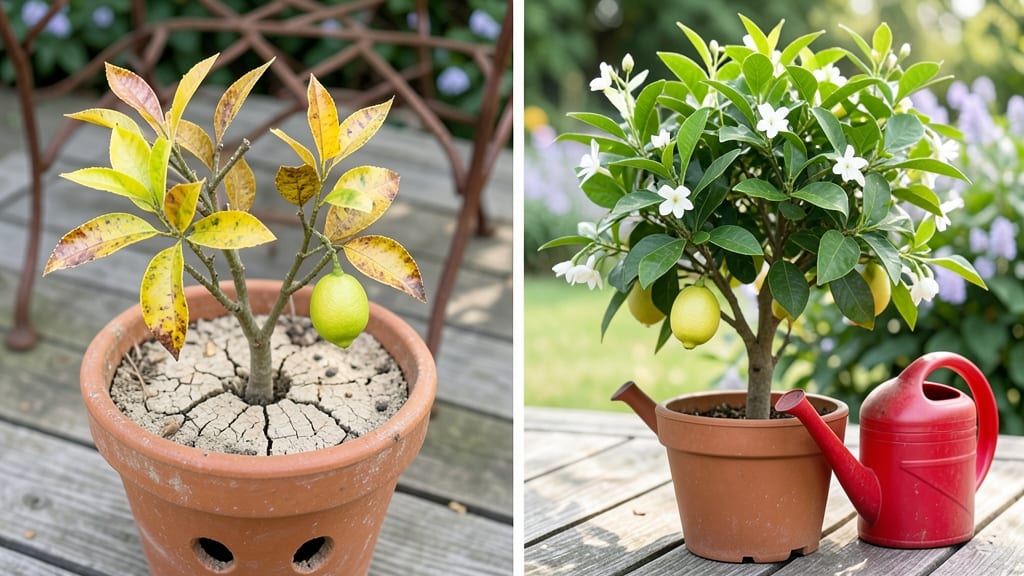
Your potted lemon tree losing leaves doesn’t mean it’s dying—it’s just crying out for help. 🌿 I’ve nursed three lemon trees back from leaf loss, and the fixes are simpler than you’d think, starting with watering habits that might be drowning or dehydrating those roots.
The most common culprits are overwatering (soggy soil = root rot) or underwatering (crispy leaves = thirst), but pests like spider mites or nutrient deficiencies can do just as much damage.
My first lemon tree lost leaves because I kept it too dry in winter—once I adjusted the watering schedule to match its slower growth, new leaves appeared within weeks.
You’ll see fresh green growth within 4-6 weeks if you tackle the right issue first. The key is checking soil moisture with your finger, inspecting leaves for pests, and giving it a balanced fertilizer boost when needed.
Even a tree that’s lost half its leaves can bounce back with the right care.
Works for both indoor and outdoor potted lemon trees—just adjust for your climate. Here’s how to diagnose and fix it step by step, so you can enjoy those fragrant blooms and eventual lemons again.
Root Causes Behind Leaf Loss
Understanding why your potted lemon tree is shedding leaves starts with identifying the hidden triggers that disrupt its health. Lemon trees (Citrus × limon) are sensitive to environmental shifts, care oversights, and biological stressors.
Below, we break down the most common culprits—each with a clear scientific explanation and actionable clues to spot them early.
Lemon trees thrive in well-drained soil with a balance of moisture and airflow. When roots sit in soggy conditions, they suffocate, leading to anaerobic stress—a lack of oxygen that triggers leaf drop as the tree conserves energy.
How to spot it:
- Yellowing leaves with brown, mushy edges.
- Soil that stays clammy even 2–3 days after watering.
- Fungal odors (musty or sour smells) near the pot.
Why it happens:
- Excessive watering (especially in cool, humid climates) prevents oxygen from reaching roots.
- Compacted or clay-heavy soil slows drainage, trapping water.
- No drainage holes in the pot force roots to "drown" in their own moisture.
Pro tip: 🌡️ Test your soil by sticking a finger 2 inches deep—if it’s damp, wait before watering. Use a terracotta pot (which wicks moisture) or add perlite/pumice to improve aeration.
While overwatering chokes roots, chronic dehydration forces lemon trees into survival mode. Leaves curl, yellow, and drop as the tree prioritizes root health over foliage.
How to spot it:
- Dry, crispy leaf edges or entire leaves turning brown and brittle.
- Soil pulling away from the pot’s sides (indicating extreme dryness).
- Leaves wilting by midday, even after watering.
Why it happens:
- Inconsistent watering (e.g., skipping weeks between sessions).
- Small pots dry out faster, especially in hot sun.
- Evaporative loss (potted trees lose moisture 3x faster than in-ground trees).
Pro tip: 💡 Water deeply but infrequently—aim for 1–1.5 gallons per week in summer (adjust for pot size). Use a moisture meter or the "knuckle test" (if your knuckle sinks in easily, it’s time to water).
Lemon trees are tropical natives and despise sudden changes. Cold drafts, heatwaves, or poor light trigger physiological stress, causing leaves to abscise (detach) as a protective response.
How to spot it:
- Cold stress: Brown, papery leaves with blackened tips (often on lower branches).
- Heat stress: Scorched, bleached patches on sun-exposed leaves.
- Light shock: Leaves yellowing uniformly (etiolation) if moved from shade to full sun.
Why it happens:
- Drafts from AC/heaters or winter winds drop temperatures below 50°F (10°C).
- Direct afternoon sun (especially in hot climates) causes oxidative damage from UV rays.
- Insufficient light (<6 hours of sunlight) weakens photosynthesis, leading to nutrient deficiencies.
Pro tip: ✨ Acclimate gradually—move potted trees outdoors for 1–2 hours/day in spring, then increase exposure. In winter, keep them above 55°F (13°C) and away from glass doors/windows.
Hidden invaders like spider mites, aphids, or root rot pathogens sap your tree’s energy, leading to premature leaf drop. Pests disrupt nutrient transport, while diseases clog vascular tissues, starving leaves of water and sugars.
How to spot it:
- Pests: Sticky residue (honeydew), webbing, or tiny bugs on undersides of leaves.
- Root rot: Black, mushy roots with a foul smell (often paired with fungal growth).
- Fungal leaf spot: Dark, circular lesions with yellow halos.
Why it happens:
- Overcrowded pots create humid microclimates, ideal for fungal growth.
- Weakened trees (from poor care) attract pests like scale insects.
- Contaminated soil/tools introduce pathogens during repotting.
Pro tip: 🔥 Inspect leaves weekly with a magnifying glass. Treat pests with neem oil (1 tsp per liter of water) and repot in sterilized soil if root rot is suspected.
Lemon trees need balanced nutrients (N-P-K) and micronutrients like iron and zinc. Deficiencies or excess salts (from tap water or fertilizers) disrupt cellular functions, causing leaves to yellow or drop.
How to spot it:
- Nitrogen deficiency: Pale, yellow leaves (starting on older foliage).
- Iron deficiency (chlorosis): Yellowing between leaf veins (common in alkaline soil).
- Salt buildup: White crust on soil surface + leaf tips turning brown.
Why it happens:
- Over-fertilizing (especially with synthetic nitrogen) burns roots.
- Tap water high in chlorine/fluoride accumulates salts over time.
- Poor soil pH (lemon trees prefer 6.0–7.0; alkaline soil locks out iron).
Pro tip: 📊 Flush the soil every 2 months with rainwater or distilled water to leach salts. Use a citrus-specific fertilizer (low in salt) and test soil pH with a home kit—amend with sulfur if too alkaline.
How to Revive Your Droopy Lemon Tree
Your potted lemon tree is shedding leaves like it’s auditioning for a dramatic fall performance—but don’t worry! With the right care, you can turn those bare branches into a lush, leafy comeback.
Below are practical, step-by-step fixes tailored to the most common causes of leaf loss, plus pro tips to keep your citrus queen thriving long-term.
Signs: Yellowing leaves, mushy stems, or waterlogged soil that smells sour.
🔥 Step 1: Drain the Damage
- Stop watering immediately—soggy roots suffocate your tree.
- Check the pot’s drainage: If there are no holes, drill 2-4 holes in the bottom (or repot into a container with drainage).
- Empty excess water: If the soil feels like a swamp, let it dry out completely before watering again.
🍳 Step 2: Repot for Better Airflow (If Needed)
- If roots are circling or the pot is too small, repot into a slightly larger container (just 1-2 inches wider).
- Use well-draining potting mix (citrus-specific mix or a blend of 60% peat moss, 20% perlite, and 20% sand).
👨🍳 Step 3: Adjust Your Watering Routine
- Water only when the top 1-2 inches of soil are dry—stick your finger in to test!
- Water deeply but less often: Lemon trees hate "wet feet."
Aim for 1-2 times per week (adjust for heat/humidity). - Use a moisture meter if you’re a forgetful waterer—it takes the guesswork out.
⏰ Prevention Tips:
✨ Group pots together—this mimics humidity in nature and reduces stress. ✨ Avoid saucers that trap water—empty them after watering to prevent root rot. ✨ Mulch lightly with bark chips to retain moisture without suffocating roots.
Signs: Crispy, brown edges on leaves, wilting, or soil pulling away from the pot.
💧 Step 1: Soak the Roots
- Water thoroughly until it drains from the bottom—don’t just sprinkle!
- Repeat every 2-3 days until the tree perks up (you’ll see leaves plump within 24 hours).
🌿 Step 2: Boost Humidity (Citrus Loves It!)
- Mist leaves daily (especially in dry climates) or place the pot on a pebble tray with water.
- Group plants together to create a micro-climate.
- Use a humidifier near the tree if your home is bone-dry.
🌞 Step 3: Shield from Scorching Sun
- Move to partial shade (morning sun + afternoon shade) if leaves are bleaching or crisping.
- Avoid sudden temperature swings—keep indoors if outdoor temps drop below 50°F (10°C).
🎯 Prevention Tips:
💡 Water in the morning—evaporation is slower, and roots get a full day to absorb moisture. 💡 Use a self-watering pot if you travel often (but don’t overdo it—citrus still needs airflow). 💡 Fertilize lightly with a balanced citrus fertilizer (like 6-6-6) to encourage resilience.
Signs: Yellow leaves (especially older ones), slow growth, or leaf drop despite "perfect" watering.
📊 Step 1: Flush the Soil
- Leach excess salts by watering the pot 3 times in a row until water runs clear from the bottom.
- This removes built-up fertilizer salts that burn roots.
🥗 Step 2: Feed the Right Way
- Use a slow-release citrus fertilizer (like Osmocote) or a liquid feed (diluted to half-strength).
- Follow the label—over-fertilizing is just as bad as under-fertilizing!
- Best schedule: Every 4-6 weeks in spring/summer, none in winter.
🍎 Step 3: Check for Micronutrients
- Yellow leaves with green veins? Likely iron deficiency—use a chelated iron supplement.
- Purple-tinged leaves? Might need phosphorus—try a bone meal tea (1 tbsp in 1 gallon of water, steep for 24 hours).
✨ Prevention Tips:
🔥 Test your soil with a DIY kit (available at garden centers) to diagnose deficiencies. 🔥 Avoid "weed and feed" products—they’re too harsh for citrus. 🔥 Compost tea (homemade or store-bought) gives a gentle nutrient boost.
Signs: Sticky residue, holes in leaves, white webbing, or black spots.
🔪 Step 1: Identify the Culprit
- Aphids/spider mites: Tiny bugs, webbing, or sticky "honeydew."
- Scale insects: Bumpy brown/white spots on stems.
- Fungal issues: Black/yellow spots, moldy soil.
🚿 Step 2: Clean & Isolate
- Wipe leaves with a neem oil-soaked cloth (1 tsp neem oil + 1 quart water).
- Spray with insecticidal soap (follow label) for soft-bodied pests.
- Prune infected branches and sterilize shears with rubbing alcohol.
🌡️ Step 3: Prevent Future Infestations
- Quarantine new plants for 2 weeks before introducing them.
- Encourage beneficial insects like ladybugs (buy them online or at garden stores).
- Avoid overhead watering—it spreads fungal spores.
🎯 Prevention Tips:
💡 Inspect leaves weekly—catch pests early! 💡 Use reflective mulch (like aluminum foil) to deter pests. 💡 Rotate pots so all sides get sun—this discourages fungal growth.
Signs: Sudden leaf drop, curled leaves, or brown patches after a cold snap or storm.
🏠 Step 1: Move Indoors (Temporarily)
- Bring the pot inside if temps drop below 50°F (10°C).
- Choose a bright spot (near a south-facing window) but away from drafts.
🌬️ Step 2: Shield from Wind
- Place the pot in a sheltered spot (e.g., against a fence or under an eave).
- Use a windbreak like a burlap screen if outdoor winds are fierce.
🌡️ Step 3: Gradual Acclimation
- If moving back outside, do it slowly (1-2 hours a day over a week) to avoid shock.
- Avoid late fall/winter outdoor placement—lemon trees are tropical and hate cold!
✨ Prevention Tips:
🔥 Use frost cloth in cold climates (remove during the day for sunlight). 🔥 Group pots together—they create a microclimate that retains warmth. 🔥 Avoid placing near AC vents or heaters—citrus hates sudden temperature swings.
Final Pro Tip: 🌟 Patience is key! Lemon trees are resilient—with the right care, they’ll bounce back within 4-6 weeks. Keep a care journal to track watering, sunlight, and leaf changes—it’s the secret to spotting problems early!
Frequently asked questions
Why are my potted lemon tree leaves turning yellow before falling off?
Yellowing leaves before dropping usually signal overwatering or nutrient deficiencies. Check if the soil stays damp for more than 2-3 days—this causes root rot. For nutrients, pale yellow leaves often mean nitrogen deficiency, while yellowing between veins suggests iron deficiency (common in alkaline soil). Flush the soil with water and use a citrus-specific fertilizer.
How often should I water my potted lemon tree to prevent leaf loss?
Water when the top 1-2 inches of soil are dry—about 1-2 times per week in summer (more in heatwaves). In winter, reduce to every 10-14 days. Use the "knuckle test": If your knuckle sinks easily, it’s time to water. Overwatering is the #1 cause of leaf drop in potted citrus.
Can I save my lemon tree if it's already lost most of its leaves?
Yes! Prune any remaining dead/damaged leaves and focus on root health. Repot if needed (use well-draining soil), adjust watering, and add a balanced citrus fertilizer. With proper care, new growth appears within 4-6 weeks. Keep it in bright, indirect light and avoid temperature swings.
What’s the best way to check for pests causing leaf loss?
Inspect leaves weekly with a magnifying glass. Look for tiny webs (spider mites), sticky residue (aphids), or bumpy spots (scale insects). Wipe leaves with a damp cloth dipped in neem oil solution (1 tsp neem + 1 quart water). Isolate infested plants to prevent spread.
Should I fertilize my lemon tree if it’s already losing leaves?
Only if the soil is nutrient-deficient. Use a citrus-specific fertilizer (low in salt) at half-strength every 6-8 weeks in spring/summer. Avoid fertilizing in winter—your tree needs to rest. Flush the soil first to remove excess salts, which can worsen leaf drop.