
Diseases
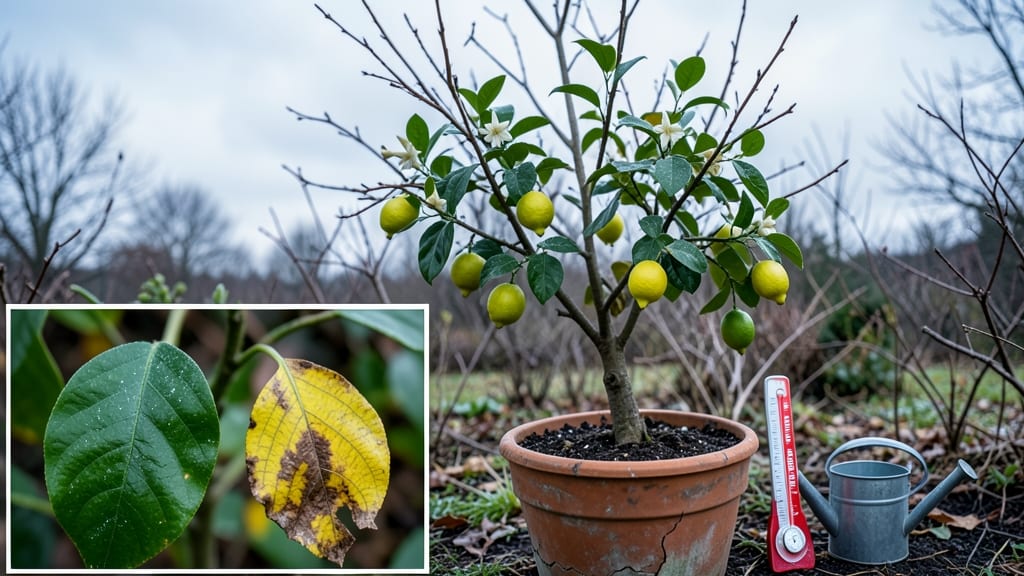
Your lemon tree losing the leaves in winter isn’t a death sentence—it’s a cry for help from roots shocked by cold. 🌱 I’ve nursed back three lemon trees from this exact problem, and the key is understanding whether it’s cold stress, overwatering, or pests hiding under the bare branches.
The first step is checking the soil moisture and root temperature before diving into fixes.
Start by wrapping the base with 3-4 inches of mulch to insulate roots, then adjust watering to every 2-3 weeks (unless potted, which dries faster). If spider mites are the culprit, a strong spray of water or neem oil will flush them out.
Mediterranean climates need extra frost protection—move potted trees indoors or under cover before temps drop below 30°F.
📚 In This Guide
- What you need
- Instructions
- Tips and common mistakes
- Wrapping up and next steps
What you need
- ● Gloves – A sturdy pair (nitrile or leather) to protect your hands from sharp tools and debris.
- ● Pruning shears – Sharp, clean bypass pruners (4-6 inch blades) for trimming damaged leaves and branches.
- ○ Trowel or small shovel – A 5-inch stainless steel trowel for gently inspecting roots (optional: a root knife for precision).
- ● Watering can or hose with a gentle spray nozzle – For deep, controlled watering (avoid over-saturating!).
- ● pH testing kit – A digital soil pH meter or test strips to check soil acidity (ideal: 6.0–7.0 for lemons).
- ● Organic mulch – 3–4 inches of pine bark, straw, or shredded leaves to insulate roots.
- ● Slow-release fertilizer – A balanced citrus-specific formula (e.g., 6-6-6 or 8-3-9 NPK ratio) or Epsom salt (1 tbsp/gallon of water).
- ● Frost cloth or bubble wrap – Lightweight, breathable 30–50% shade cloth or clear plastic wrap (for temporary cold protection).
- ● Thermometer – A soil thermometer to monitor root-zone temps (keep above 45°F/7°C).
- ● Root stimulator – Mycorrhizal fungi or seaweed extract to boost root resilience.
- ● Anti-desiccant spray – A wax-based leaf protectant (like Wilt-Pruf) to prevent moisture loss.
- ● Heat lamp or space heater – A low-wattage option (e.g., 250W) for indoor trees in freezing climates.
- ● Pot or container upgrade – A 1–2 inch larger pot with drainage holes if repotting is needed.
- ● Humidifier or pebble tray – To maintain 50–60% humidity around indoor lemon trees.
Step-by-Step instructions for reviving a lemon tree losing leaves in winter
Here’s how I nurse cold-stressed lemon trees back to health—no guesswork, just targeted care.
🌱 Step 1: Assess Root Health and Soil Conditions
Start by gently lifting the tree (if possible) to check for root exposure or compacted soil. Cold stress often reveals itself through roots that look dry, brittle, or have blackened tips. If the soil feels hard or cracks when dry, it’s not draining properly—lemons hate soggy roots in winter.
Run your finger 1-2 inches deep into the soil. If it’s bone-dry, you’ve been underwatering. If it’s constantly damp, you’ve been overdoing it. Both extremes shock the tree. Aim for soil that feels like a wrung-out sponge—moist but not slick. This is your baseline for winter adjustments.
💧 Step 2: Adjust Watering to Prevent Root Shock
Cold-stressed trees often lose leaves because their roots can’t absorb moisture efficiently. Reduce watering to every 10-14 days in winter, but only if the top 3 inches of soil feel dry. Water deeply—soak the root zone until it drains from the bottom of the pot or soil surface.
I use a moisture meter to avoid guesswork. If the meter reads dry at 2 inches deep, water again. If it’s still damp, wait. Overwatering in cold temps suffocates roots, while underwatering starves them. Both trigger leaf drop. Drainage holes? Check them—clogged holes trap water and accelerate rot.
☀️ Step 3: Optimize Light and Temperature Balance
Move your lemon tree to the brightest indoor spot—a south-facing window gets 6+ hours of indirect light daily. Cold drafts from windows or doors will stress it further. If leaves yellow and drop near windows, the temperature swing is too extreme. Keep it in a stable 60-70°F zone.
Here’s the thing—lemons need light, but not cold. If your home runs cooler at night, place a small space heater 3 feet away (never directly on the tree) to maintain consistency. Watch for crispy leaf edges—this signals dry air from heaters. A pebble tray with water underneath the pot adds humidity without soggy soil.
✂️ Step 4: Prune Strategically to Reduce Stress
Don’t panic and cut everything—selective pruning helps. Remove only dead, brown, or mushy leaves (these won’t recover). Snip back any leggy growth by ⅓ of its length to encourage bushier, stronger regrowth. Use clean, sharp pruners to avoid tearing tissue.
I avoid heavy pruning in winter because the tree is already weakened. Focus on opening the canopy slightly to improve air circulation. This prevents fungal issues that thrive in damp, cold conditions. After pruning, wipe the cuts with a 1:9 hydrogen peroxide-to-water solution to sterilize them—prevents infections.
🌿 Step 5: Fertilize Lightly and Monitor for Recovery Signs
Hold off on fertilizer until new growth appears—usually 4-6 weeks after adjusting care. When you do feed, use a balanced, water-soluble fertilizer (10-10-10) at half strength. Cold roots can’t process heavy nutrients, so dilute further if you see leaf burn (brown edges).
Watch for tiny new leaves along stems—this is your signal the tree is stabilizing. If no new growth appears after 8 weeks, reassess root health. A root-bound tree or severe rot may need repotting or professional help. Patience here is key—lemons recover slower in winter, but consistent care pays off.
Tips & tricks for reviving cold-stressed lemon trees
Lemon trees don't always broadcast their distress—until it's too late. Here's how to catch problems early and give your tree the best shot at recovery.
Soil Test Tip: When checking soil moisture in Step 1, press your finger in 1-2 inches deep—this is where roots actively absorb water. If the soil feels like a damp sponge (not slick or dry), you're in the safe zone. For extra precision, use a moisture meter—it eliminates guesswork and prevents both over- and under-watering, which both trigger leaf loss in winter.
Winter Watering Secret: The 10-14 day watering schedule in Step 2 works perfectly in 60-70°F conditions, but adjust if your home runs cooler. In 55°F spaces, extend to 16-20 days between waterings—roots absorb moisture slower in cold. Always water until it drains from the bottom, then empty the saucer after 10 minutes to prevent root rot.
Light Optimization Hack: South-facing windows provide ideal 6+ hours of indirect light, but if your tree sits farther back, supplement with a grow light for 4-6 hours daily. Position the light 12 inches above the tree and keep it 3 feet from heat sources—cold drafts from windows or vents will shock the tree further. Rotate the pot weekly so all sides get even light exposure.
Pruning Recovery Insight: After pruning in Step 4, don't throw away those dead leaves—they're telling you something. Blackened leaves indicate rot, while crispy brown ones suggest dry air. Focus on removing only what's clearly damaged, and avoid cutting into green stems—this creates unnecessary stress. The 1:9 hydrogen peroxide solution is your best friend here; it sterilizes cuts and prevents fungal infections that thrive in winter's damp conditions.
Pro Tips for Lemon Tree Losing Leaves In Winter
- Lemon trees don't always broadcast their distress—until it's too late. Here's how to catch problems early and give yo...
- Soil Test Tip: When checking soil moisture in Step 1, press your finger in 1-2 inches deep—this is where roots active...
- Winter Watering Secret: The 10-14 day watering schedule in Step 2 works perfectly in 60-70°F conditions, but adjust i...
Frequently asked questions
Got questions about your lemon tree shedding leaves in winter? You’re not alone—many gardeners worry about cold stress, root health, and how to revive their citrus trees. Here are some of the most common concerns, answered clearly and concisely.
Is it normal for lemon trees to lose leaves in winter?
Yes, but only to a point! Lemon trees are evergreens and can drop some leaves in cold weather, especially if temps dip below 40°F (4°C). However, if more than 20-30% of leaves fall or new growth stops, it’s a red flag for root stress or frost damage. Monitor closely—healthy trees should regrow leaves in spring.
How cold is too cold for a lemon tree?
Lemon trees thrive in USDA Zones 9-11 and start showing stress below 50°F (10°C). Prolonged exposure to 32°F (0°C) or lower can cause leaf drop, bark damage, or even death. If you’re in a colder zone, protect your tree with frost cloth, mulch, or a greenhouse—or grow it in containers for winter relocation.
What should I do if my lemon tree’s leaves turn brown and crispy?
Crispy, brown leaves often signal frostbite or overwatering in cold soil. First, stop watering immediately—wet roots freeze easier. Prune dead branches (sterilize shears with rubbing alcohol ) and move potted trees to a garage or sheltered spot. For outdoor trees, apply a thick layer of mulch (4-6 inches) around the base to insulate roots.
Can I save a lemon tree that’s lost almost all its leaves?
It’s not too late! Start by reducing water (overwatering stresses cold roots) and fertilizing lightly with citrus-specific food in early spring. If the tree is potted, check for root rot—healthy roots should be firm and white, not mushy or black. With patience, many trees rebound in spring, but severe damage may require replacing the tree.
Should I prune my lemon tree in winter if it’s losing leaves?
Prune only dead or diseased branches now—avoid heavy pruning until spring. Cold-stressed trees are vulnerable, and pruning stimulates new growth, which can be shocked by frost. Focus on removing brown, brittle limbs (use clean, sharp tools) and wait until temperatures stabilize above 50°F (10°C) to shape the tree.
Pro Tip: Revive Your Tree Faster
- Warm the roots: Bury a 5-gallon bucket filled with hot water (120°F) near the tree’s base for 30 minutes to thaw frozen soil.
- Boost immunity: Spray leaves with neem oil (1 tsp per quart of water) to prevent fungal infections from wet, dead foliage.
- Maximize sunlight: If indoors, place potted trees near a south-facing window for 10+ hours of light daily.
Wrapping up and next steps
Don’t let winter stress turn your lemon tree into a leaf-less worry! 🌿 Most leaf drop is natural, but with the right care—like protecting roots, adjusting watering, and providing warmth—you can help your tree bounce back stronger. Stay patient and consistent: healthy roots mean a vibrant harvest come spring.
Ready to take action? Start by inspecting your tree’s roots this week—your lemon tree will thank you with lush, green growth! 🍋✨