
Pruning
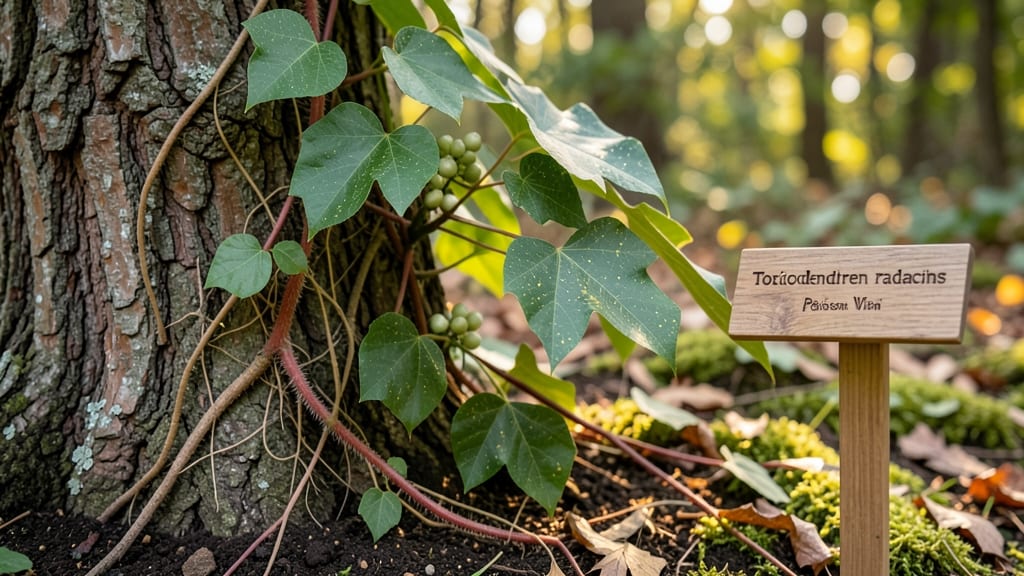
Poison ivy on the tree vine isn’t just ugly—it's a sneaky invader that spreads underground and triggers itchy, painful rashes if you're not careful. 🌿 I've wrestled with it on my oak and maple trees, and the key to winning is knowing how to cut it all the way down to the roots without letting it regrow.
The first step is identifying it correctly: poison ivy has three glossy leaflets (remember "leaves of three, let it be") and a vine that can look like Virginia creeper but lacks the deep purple fall color.
Wearing long sleeves, gloves, and goggles isn't optional—it's how you avoid that miserable rash for weeks. I learned that the hard way after a single brush left my arm swollen for a week.
Once you've confirmed it's poison ivy, you'll need to prune aggressively—cutting the vines at the base and digging out any exposed roots. For stubborn patches, a vinegar-based herbicide (like 20% acetic acid) works well, but timing matters: apply it on a dry, windless day to protect nearby plants.
The goal is to starve the roots completely, not just hack at the leaves.
This method works for any tree vine, whether it's climbing your oak, maple, or even your fence. The secret is persistence—poison ivy doesn't give up easily, but neither should you.
How Vines Climb and Spread Poison Ivy
Poison ivy thrives as a vine because of its unique growth habits and adaptability. Understanding why it clings to trees—and how it spreads—helps you combat it effectively. Here’s why this pesky plant takes over your yard and how it does it.
---
Poison ivy (Toxicodendron radicans) is a woody vine that relies on trees, fences, or structures for support. Unlike self-supporting plants, it lacks the strength to stand alone, so it uses specialized structures to climb:
- Tendrils & Rootlets: Young vines produce hair-like rootlets that latch onto rough bark, wood, or even concrete.
These rootlets don’t penetrate deeply but grip tightly, allowing the vine to scale vertical surfaces like a ladder. - Aerial Roots: As the vine matures, it develops aerial roots that grow along the host surface, further securing its grip.
These roots can even strangle smaller branches over time, weakening the tree. - Rapid Growth: Poison ivy can grow up to 1 foot per week in ideal conditions (warmth, moisture, and sunlight). This aggressive spread lets it outcompete other plants and dominate tree canopies.
💡 Pro Tip: If you see thin, hairy vines winding around a tree trunk or branches, that’s poison ivy in its early climbing stage. Acting fast prevents it from establishing a stronghold.
---
Poison ivy doesn’t just climb—it colonizes. Its spread is driven by three key mechanisms:
#### 1. 🌱 Seed Dispersal (The Silent Invader) - Poison ivy produces white berries that birds and small mammals eat, then deposit in their droppings—often far from the parent plant. - One plant can produce thousands of seeds, ensuring new infestations in unexpected areas. - Wind and water also carry lightweight seeds, allowing them to hitchhike into gardens, forests, or even your neighbor’s yard.
#### 2. 🌿 Root System (The Underground Network) - Poison ivy has a shallow but expansive root system that spreads horizontally just below the soil surface. - Rhizomes (underground stems) can extend up to 30 feet from the main plant, meaning cutting the vine above ground won’t stop it—roots will regrow. - If you prune a vine but leave even a small root fragment, the plant will sprout new shoots within weeks.
#### 3. 🔄 Fragmentation (The Accidental Spreader) - Broken vine pieces can take root if they touch moist soil.
Even a single leaf with a stem attached can regenerate. - Tools, clothing, or pets can unknowingly transport poison ivy fragments to new locations. - Mulch or compost made from infested wood chips can reintroduce the plant elsewhere in your yard.
✨ Actionable Insight: Always bag and dispose of pruned poison ivy in sealed plastic—never compost it. Burning is risky (toxic smoke can cause rashes), so check local regulations for safe disposal methods.
--- Trees don’t attract poison ivy—but their structure makes them perfect climbing partners. Here’s why:
| Factor | Why Poison Ivy Loves It | How It Hurts the Tree | |--------------------------|----------------------------------------------------|----------------------------------------------------| | Rough Bark | Rootlets grip easily on textured surfaces. | Weakens bark integrity over time. | | Sunlight Exposure | Vines seek light, so they climb upward. | Blocks sunlight to lower branches, stunting growth. | | Moisture Retention | Trees provide shade, keeping vines hydrated. | Roots compete for water/nutrients. | | Structural Support | Trees offer vertical space for rapid growth. | Heavy vines can snap branches or girdle trunks. |
🔥 Warning Sign: If you see yellowing leaves, dieback, or hollowed-out branches on a tree, poison ivy may be the culprit. Prune it ASAP to prevent long-term damage.
--- Poison ivy doesn’t grow randomly—it responds to conditions. These factors accelerate its takeover:
- 🌞 Sunlight: Vines grow fastest in partial shade to full sun. Dappled light (like under a tree canopy) is ideal. - 💧 Moisture: Well-drained but consistently damp soil fuels root growth.
Irrigation or rain can spread seeds. - 🌱 Disturbed Soil: Digging, grading, or construction exposes rhizomes, causing new shoots to pop up. - 🍃 Lack of Competition: If surrounding plants are weak or dead, poison ivy fills the gap aggressively.
🎯 Prevention Tip: Mulch heavily with wood chips or gravel to block light from reaching buried rhizomes. A 3-inch layer can suppress regrowth for months.
Eliminate Poison Ivy From Trees
Now that you understand why poison ivy clings to your trees like an unwelcome guest, it’s time to kick it to the curb—safely and effectively. Below are targeted solutions based on the root cause (literally!) of your vine problem, plus prevention tips to keep it from staging a comeback.
---
Cause: Poison ivy wraps around tree trunks or thin branches, choking growth and spreading its toxic oils. Fix: Manual removal is key here—just be strategic.
1. 🔪 Cut It at the Base - Use pruning shears or loppers (not your hands!) to slice the vine as close to the tree trunk as possible.
Avoid tearing the bark, which can damage the tree. - Pro tip: Wear thick gloves (like rubber or leather) and long sleeves—even dead vines can cause rashes!
2. 🌡️ Smother or Burn (Safely) - Smothering: Cover cut stumps with black plastic sheeting secured with rocks or staples.
Leave it for 6–12 months to starve the roots of sunlight. - Burning: If local laws allow, burn piles of cut vines in a contained fire pit (never in open areas—safety first!). ⚠️ Warning: Only do this if the area is 100% clear of flammable debris and you have permission.
3. 💡 Follow-Up Check - Recheck the area every few weeks—new shoots can sprout from missed roots. Repeat cutting if needed.
---
Cause: Heavy vines weigh down branches, increasing the risk of breakage, and their roots can merge with the tree’s system. Fix: A two-step approach—remove the vine and protect the tree.
1. 👨🍳 Prune with Precision - For thick vines (over 1 inch), use a pruning saw to cut them 3–4 inches below the tree trunk or branch junction.
This prevents regrowth from dormant buds. - For canopy vines: Trim them section by section, working from the bottom up to avoid dropping debris on yourself.
2. 🌡️ Apply Herbicide (If Necessary) - If the vine is deeply embedded, a glyphosate-based herbicide (like Roundup) can help. Spray directly on cut stumps (not the tree!) or mix with water and paint onto the vine’s base. - ✨ Pro tip: Use a shield (like cardboard) to protect the tree trunk from accidental spray.
3. 🌱 Support Tree Recovery - After removal, mulch around the base (but keep it 3–4 inches away from the trunk) to protect roots and encourage healthy regrowth. - If the tree looks stressed, give it a deep watering and monitor for signs of disease.
---
Cause: Poison ivy’s roots can spread underground, sending up new shoots even after above-ground vines are gone. Fix: Go root deep—literally.
1. 🔥 Dig It Out (For Small Patches) - Use a shovel or garden fork to expose and remove roots at least 6–12 inches deep.
Dispose of them in sealed bags (not compost!). - 💡 Pro tip: Work on a dry day—wet soil makes roots slippery and harder to spot.
2. 🌡️ Solarize the Soil (For Large Areas) - Cover the entire infested area with clear plastic sheeting for 4–6 weeks in hot, sunny weather. The sun will bake the roots and kill them. - ⚠️ Warning: Only do this in dry, weed-free soil—moisture can prevent effective solarization.
3. 🎯 Prevent Regrowth - After removal, plant deep-rooted competitors like black walnut, sumac, or grapevines—they’ll outcompete poison ivy for space and nutrients. - 🌿 Mulch heavily with wood chips or straw to block sunlight from any lingering roots.
---
Once you’ve banished poison ivy, don’t let it sneak back in with these long-term strategies:
- 🌳 Inspect Trees Regularly - Check your trees every spring and fall for new vines. Catch it early before it gets a foothold!
- 🚫 Remove Nearby Wild Hosts - If poison ivy grows in your yard edges or nearby wooded areas, treat those spots too—it won’t stop at your property line.
- 🌿 Plant Smart - Choose poison ivy-resistant plants like boxwood, holly, or pine trees to create a natural barrier.
- 🧹 Clean Up Debris - Rake and dispose of fallen leaves (especially in autumn)—poison ivy seeds can hitch a ride and sprout elsewhere.
- 👨🌾 Educate Your Crew - If you have landscapers or gardeners, teach them the "Leaves of Three, Let It Be" rule—and how to remove it safely.
--- Final Thought: Poison ivy is a tenacious pest, but with the right tools and techniques, you can win the battle—permanently. Stay vigilant, and your trees (and skin!) will thank you. 🌳💪
Frequently asked questions
How can I tell if the vine on my tree is poison ivy and not Virginia creeper?
Use the "leaves of three" rule—poison ivy has three glossy leaflets with smooth edges, while Virginia creeper has five leaflets and turns deep purple in fall. Also check for hairy rootlets on poison ivy vines that cling to bark, unlike Virginia creeper's smooth stems.
Will cutting poison ivy at the base stop it from growing back?
No—cutting alone won't work because poison ivy has underground rhizomes that can regrow. You must dig out roots 6-12 inches deep or apply herbicide to the base to prevent regrowth. Always wear gloves and protective clothing when working with it!
Can I use vinegar to kill poison ivy on my tree?
Yes! A 20% acetic acid vinegar solution works well—spray it directly on the leaves and stems (avoid the tree bark). For best results, apply on a dry, sunny day and reapply every 2-3 days until the vine dies. Vinegar breaks down the plant's cell structure without harming the tree.
How long does it take for poison ivy to grow back after removal?
If any roots remain, new shoots can appear in as little as 2-3 weeks. For complete removal, monitor the area for 3-6 months and re-treat any regrowth. Solarizing the soil (covering with plastic for 4-6 weeks) can help eliminate lingering roots.
Is it safe to burn poison ivy vines after cutting them?
Only if you follow safety precautions! Burn piles in a contained fire pit, never in open areas, and wear a respirator mask—toxic smoke can cause rashes. Check local burn regulations first, as many areas prohibit open burning. Always dispose of ashes properly in sealed containers.