
Pruning
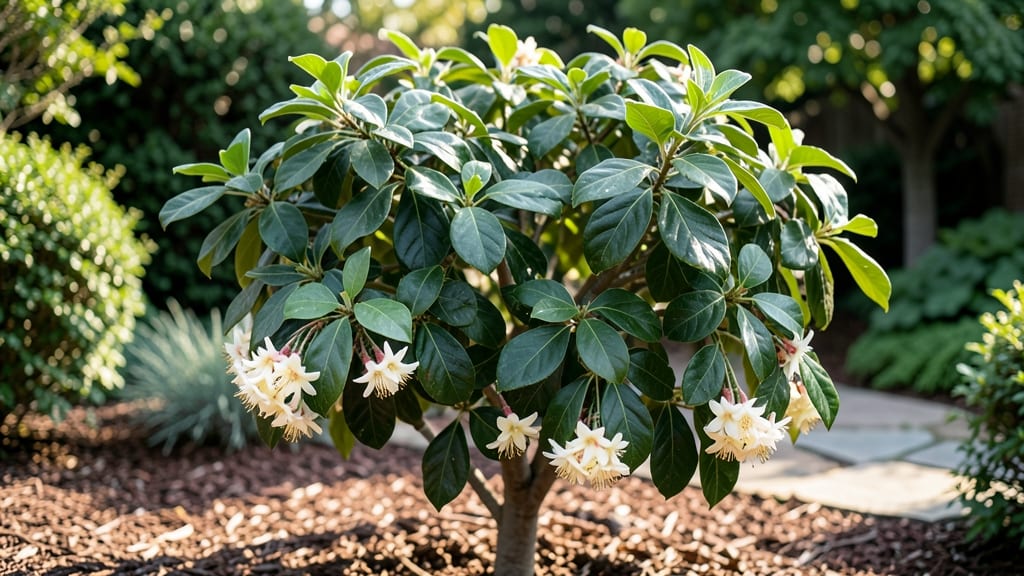
The loquat tree flower blooms in late winter to early spring, producing fragrant white blossoms before fruit appears. Cold exposure and proper pruning encourage heavier flowering, while well-drained soil and balanced fertilization support vibrant blooms each season.
The timing of these loquat tree flowers depends on your region's chill hours—typically 200-500 hours below 45°F triggers blooming.
In warmer climates like Florida, flowers may appear as early as January, while northern growers often see them in March or April. 🌸 The key is mimicking nature: reduce watering slightly in winter to stress the tree gently, which actually signals it to produce more blossoms.
I've found that a light pruning after the first frost (but before buds swell) opens the canopy to sunlight, giving those delicate white flowers the energy they need to thrive.
Once blooms appear, avoid heavy fertilization—the tree's energy should focus on fruit development, not new growth. Mulch around the base with organic matter to retain moisture while preventing root rot, which can stress the tree and reduce next year's flower count.
Think of it like preparing for a big performance: the right conditions before the show make all the difference.
💡 In This Article
- Understanding Loquat Tree Flowering Seasons and Climate Needs
- Step-by-Step Guide to Boosting Loquat Tree Flower Production
Understanding loquat tree flowering seasons and climate needs
Loquat trees (Eriobotrya japonica) rely on a specific botanical trigger called chill hours—typically 200-500 hours below 45°F—to initiate flowering. This cold exposure breaks dormancy by altering hormone levels in the tree's buds, particularly increasing florigen, a protein that signals flower development.
Without sufficient chill hours, buds may fail to open or produce only sparse blooms. For example, trees in Zone 9 or warmer often bloom earlier (January-February) because they accumulate chill hours during cooler winter nights, while those in Zone 7 or colder may wait until March or April.
The tree's temperature sensitivity extends beyond chill hours. Loquat flowers are particularly vulnerable to late frosts (28°F or lower), which can damage delicate petals and reduce fruit set. In my experience, a sudden temperature drop from 60°F to 32°F within 24 hours can devastate a bloom cycle.
To mitigate this, I've found that planting loquat trees near a south-facing wall or using frost cloths during critical bloom periods can protect flowers without stifling the tree's natural growth patterns.
The tree's native habitat in southern China and Japan also explains its preference for mild winters—extreme cold stress can trigger abnormal flowering or even bud death.
Seasonal changes also play a role in flower production through photoperiodism, where shorter daylight hours in late fall signal the tree to prepare for dormancy and subsequent blooming. However, unlike some fruit trees, loquats don't require strict day-length cues—they're more responsive to temperature shifts.
This is why you might see staggered blooming in a single tree: some branches receive more sunlight or chill exposure than others, creating a gradual flowering window that can last 3-4 weeks.
The fragrance of these white flowers, often described as a mix of jasmine and citrus, peaks in the early morning, adding another layer of sensory complexity to their cultivation.
Regional variations in bloom timing also depend on local microclimates. For instance, coastal areas with milder winters may see blooms 2-3 weeks earlier than inland regions at the same latitude.
The tree's ability to adapt to these variations makes it a resilient choice for gardeners, but it also means you'll need to adjust your care routine based on your specific location.
In USDA Zone 8**, where I've grown loquats for over a decade, the first buds typically appear in late February, with full bloom by mid-March—just in time for pollinators like bees and butterflies to emerge from winter dormancy.
What most gardeners don't realize is that the tree's root zone temperature also influences flowering. Roots need to stay above 50°F during dormancy to support bud development; colder soil can stunt root activity and reduce nutrient uptake, directly impacting flower quality.
This is why mulching with 3-4 inches of organic matter (like wood chips or straw) is critical—it insulates roots while retaining moisture.
The interplay between air temperature, soil temperature, and chill hours creates a delicate balance that determines whether your loquat tree will produce a sparse few blooms or a lush, fragrant display that can cover the tree in white.
To visualize this balance, imagine the tree's flowering cycle as a three-act play:
- Act 1 (Dormancy): Chill hours (200-500) + root insulation (50°F+ soil)
- Act 2 (Bud Swelling): Gradual temperature rise (45-60°F) + reduced watering
- Act 3 (Bloom): Pollinator activity (bees, butterflies) + protection from frost
For those in warmer climates without sufficient chill hours, there's a workaround: use artificial chilling by moving potted trees to a cooler garage or basement for 4-6 weeks during winter. This mimics natural conditions and can trigger blooming in non-traditional zones.
The key is patience—loquat trees may take 3-5 years to mature enough for reliable flowering, but once established, they reward gardeners with decades of fragrant blooms and sweet fruit. It's a slow dance with nature, but one that pays off beautifully.