
Flowers
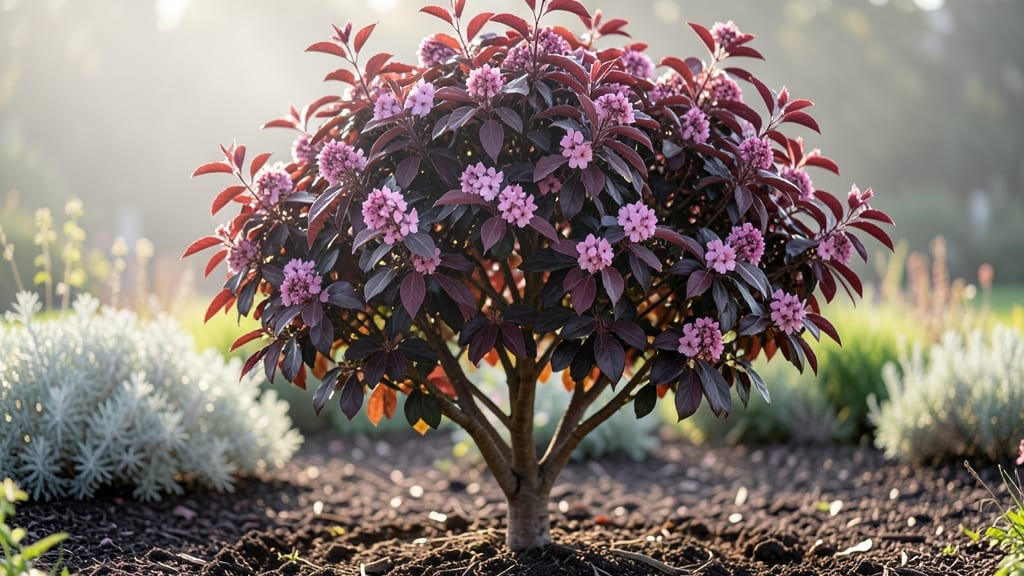
Your garden just got a spring showstopper with purple leaf plum tree flowers—those delicate pink blooms against deep burgundy foliage are impossible to ignore. 🌸 I still remember the first time I saw one burst into color: the contrast of soft petals against rich leaves creates a scene straight out of a botanical painting.
The secret to maximizing those flowers lies in three things: full sun, well-draining soil, and strategic pruning. Most people overlook the pruning part, but cutting back in late winter actually triggers more abundant blooms. My tree produces enough flowers to fill the air with fragrance for weeks every spring.
By late summer, the foliage remains stunning even after blooms fade—no deadheading needed. The tree stays vibrant through all four seasons, making it a low-maintenance star that pays dividends in curb appeal and conversation starters. Pair it with white-flowering shrubs like abelia or dappled willow for a high-contrast border.
The combination creates a garden focal point that feels both classic and unexpectedly dramatic.
📚 In This Guide
- What you need
- Instructions
- Tips and common mistakes
- Wrapping up and next steps
What you need
- ● Purple leaf plum tree sapling: Choose a healthy 1–3 gallon container-grown tree (bare-root options may require extra care). Look for Prunus cerasifera 'Atropurpurea' or similar cultivars.
- ● High-quality potting soil or native soil mix: 5–10 bags (depending on hole size), enriched with compost or organic matter for drainage.
- ● Slow-release fertilizer: 1 lb of balanced 10-10-10 or acid-loving plant fertilizer (e.g., for azaleas/rhododendrons).
- ● Mulch: 2–3 cubic feet of organic mulch (pine bark, wood chips, or shredded leaves) to retain moisture and regulate soil temperature.
- ● Shovel or spade: For digging a hole 2–3 times wider than the root ball but no deeper.
- ● Garden trowel: For loosening roots if repotting or transplanting.
- ● Pruning shears: To trim dead branches or shape the tree post-planting.
- ● Watering can or hose with nozzle: For deep watering (aim for 1–2 gallons per week initially).
- ● Gloves and knee pads: Because gardening is way more fun when you’re comfortable!
- ● Tree stake and ties: If planting in windy areas (use only if necessary—purple leaf plums hate root restriction!).
- ● Epsom salt (magnesium sulfate): 1 tbsp mixed into soil for vibrant foliage (apply in early spring).
- ● Drip irrigation system: For automated watering during dry spells.
- ● Fungicide (copper-based): Preemptive measure for powdery mildew-prone areas.
How to care for purple leaf plum trees for stunning spring flowers
Here's how I keep my purple leaf plum trees blooming beautifully every spring while maintaining their signature foliage.
🌱 Step 1: Plant in Full Sun for Best Flowering and Foliage
Choose a location with at least 6 hours of direct sun daily. Purple leaf plums thrive in full sun, which is crucial for both their vibrant purple foliage and spectacular spring flowers. I always plant mine where they'll receive morning sun and afternoon shade in hotter climates—this prevents leaf scorch while still encouraging flowering.
Dig a hole twice as wide as the root ball but no deeper. Amend the native soil with 2-3 inches of compost mixed in with the top 12 inches of soil. This improves drainage while providing nutrients for both roots and blooms. Tap the tree gently to settle it in the hole, then backfill with native soil, leaving the root flare slightly above ground level.
💧 Step 2: Water Deeply and Consistently During Establishment
Water immediately after planting, giving the tree 5 gallons of water to help settle the soil around roots. For the first year, water 1-2 times per week depending on rainfall, keeping the soil 2-3 inches deep consistently moist but not soggy. You'll know it's right when the topsoil feels damp to touch but the subsoil stays slightly dry.
Once established (after about 2 years), purple leaf plums become quite drought-tolerant. At that point, water only when the soil feels dry 4-6 inches down. Overwatering causes root rot, which will kill your tree faster than any other issue. I check moisture by sticking my finger into the soil—if it feels dry at that depth, it's time to water.
☀️ Step 3: Prune After Flowering to Encourage Next Year's Blooms
Prune immediately after the spring flowering season ends, around late May to early June. This timing ensures you don't remove next year's flower buds, which form on old wood. Remove any dead, diseased, or crossing branches first using clean, sharp pruners. Then thin out about 25% of the oldest stems to improve airflow and sunlight penetration.
Make cuts just outside the branch collar where the branch meets the trunk. Avoid leaving stubs—this invites disease. I always sterilize my pruners with rubbing alcohol between cuts to prevent spreading any potential infections. After pruning, apply a 2-inch layer of mulch around the base, keeping it 6 inches away from the trunk to prevent rot.
✂️ Step 4: Fertilize Lightly in Early Spring for Healthy Growth
Apply a balanced 10-10-10 fertilizer in early spring, just as new growth begins. Use about ½ pound per inch of trunk diameter. Spread the fertilizer evenly in a circle 2-3 feet from the trunk, then water it in thoroughly. This timing gives the tree nutrients for new leaf and flower production without overstimulating late-season growth that might not harden off properly before winter.
For established trees, I switch to a low-nitrogen, high-phosphorus fertilizer (like 5-10-5) in early spring to encourage flowering. Too much nitrogen will give you lush foliage at the expense of flowers. I always follow the manufacturer's instructions for application rates—over-fertilizing can burn roots and harm the tree.
🌿 Step 5: Protect from Late Frosts and Pest Issues
Purple leaf plums are hardy but can suffer from late spring frosts that damage emerging flowers. If frost is forecasted during bloom time, cover the tree with a lightweight frost cloth the night before. Remove it as soon as temperatures rise to prevent heat buildup. I also wrap the trunk with tree guard in winter to protect it from voles and rabbits.
Watch for common pests like aphids and scale insects, which can weaken the tree. I treat infestations with a horticultural oil spray in early spring before new growth appears. This prevents pests from establishing themselves while being gentle on beneficial insects. Healthy trees handle pests better, so proper watering and fertilizing are your first lines of defense.
Tips & tricks for perfect purple leaf plum tree care
These simple strategies will help you keep your purple leaf plum trees thriving with stunning flowers and vibrant foliage year after year.
Sunlight Strategy: While the instructions call for at least 6 hours of direct sun daily, I've found that morning sun with afternoon shade in hot climates actually produces even more vibrant foliage. The afternoon shade prevents leaf scorch while still allowing enough light for those spectacular spring blooms. If you're in a very hot region, consider planting near a building or large shrub that provides natural afternoon shade.
Planting Preparation: Before planting, I always soak the root ball in water for 1-2 hours to ensure it's thoroughly hydrated. This helps prevent transplant shock and gives your tree a stronger start. When amending the soil with 2-3 inches of compost in the top 12 inches, I also mix in a handful of mycorrhizal fungi powder—this beneficial soil organism helps roots absorb nutrients more efficiently, which translates to better flowering and foliage color.
Watering Wisdom: The 1-2 times per week watering schedule during establishment works perfectly, but I've learned to adjust based on your local climate. In hot, dry areas, you might need to water every other day, while in cooler, wetter climates, once a week might suffice. Always check that soil 2-3 inches deep—it should feel damp but not soggy. I use a simple moisture meter for accuracy, especially during the first year when consistent moisture is critical for root development.
Pruning Precision: When pruning in late May to early June, I focus on removing 25% of the oldest stems to maintain the tree's shape and encourage new growth. But here's the secret: I also look for branches that are growing inward or crossing others—removing these early prevents future rubbing that can damage bark. Always make cuts just outside the branch collar, and I've found that using a sterilized pruning saw for thicker branches gives cleaner cuts that heal better.
Pro Tips for Purple Leaf Plum Tree Flowers
- These simple strategies will help you keep your purple leaf plum trees thriving with stunning flowers and vibrant fol...
- Sunlight Strategy: While the instructions call for at least 6 hours of direct sun daily, I've found that morning sun ...
- Planting Preparation: Before planting, I always soak the root ball in water for 1-2 hours to ensure it's thoroughly h...
Frequently asked questions
Got questions about nurturing your purple leaf plum tree flowers or maximizing their beauty? Here are some common queries—and expert answers—to help you grow a stunning specimen!
When do purple leaf plum tree flowers bloom, and how long do they last?
Purple leaf plums typically burst into vibrant pink or white flowers in early to mid-spring, often around March or April, depending on your climate. The blooms last 1–2 weeks, but their deep purple foliage adds year-round color! Chilly nights can extend the display—just ensure your tree gets full sun (6+ hours/day) for optimal flowering.
Why aren’t my purple leaf plum flowers opening this year?
If your tree is skipping blooms, check these common culprits:
- Age: Young trees (under 3 years) may focus on root/foliage growth first.
- Pruning timing: Heavy pruning after flowering can reduce next year’s blooms.
- Nutrient deficiency: Yellowing leaves? Test soil for low phosphorus/potassium and amend with balanced fertilizer (e.g., 10-10-10).
- Stress: Overwatering, drought, or pests (like aphids) can stunt flowers.
Are purple leaf plum flowers edible, or can I grow fruit from them?
The flowers themselves aren’t edible, but the small, tart plums that follow are! While not sweet enough for fresh eating, they’re great for jams, jellies, or fermenting. If you want fruit, choose a self-pollinating cultivar like ‘Methley’ or ‘Santa Rosa.’ Note: Birds may snack on them first—consider netting if you’re patiently waiting for harvest!
How cold-hardy are purple leaf plum trees, and do they need winter care?
Most purple leaf plums thrive in USDA Zones 5–9, tolerating temps down to -15°F (-26°C). However, young trees or newly planted specimens benefit from:
Pro tip: If your region gets harsh winds, wrap the trunk with burlap for protection.
What are some low-maintenance alternatives to purple leaf plum trees?
If you love year-round color but want less upkeep, try these drought-tolerant, flowering shrubs:
Plant
Color
Bloom Time
Hardiness
Oakleaf Hydrangea
Pink/white flowers, burgundy foliage
Summer
Zones 4–9
Smoke Tree (Cotinus)
Pink/purple foliage, smoky plumes
Spring/summer
Zones 5–8
Dwarf Fothergilla
White bottlebrush flowers, orange fall leaves
Spring
Zones 4–8
Wrapping up and next steps
The purple leaf plum tree isn’t just a springtime star—it’s a year-round showstopper with its stunning blossoms and deep purple foliage. Whether you’re drawn to its beauty, low-maintenance charm, or wildlife-friendly appeal, this tree is a fantastic addition to any garden.
Ready to bring a splash of color to your outdoor space?
🌸 Next steps: Pick your favorite purple leaf plum variety, gather your supplies, and start planting! For extra flair, pair it with complementary plants or enjoy its blooms up close with a cozy seating area. Happy gardening! 🌿