
Pruning
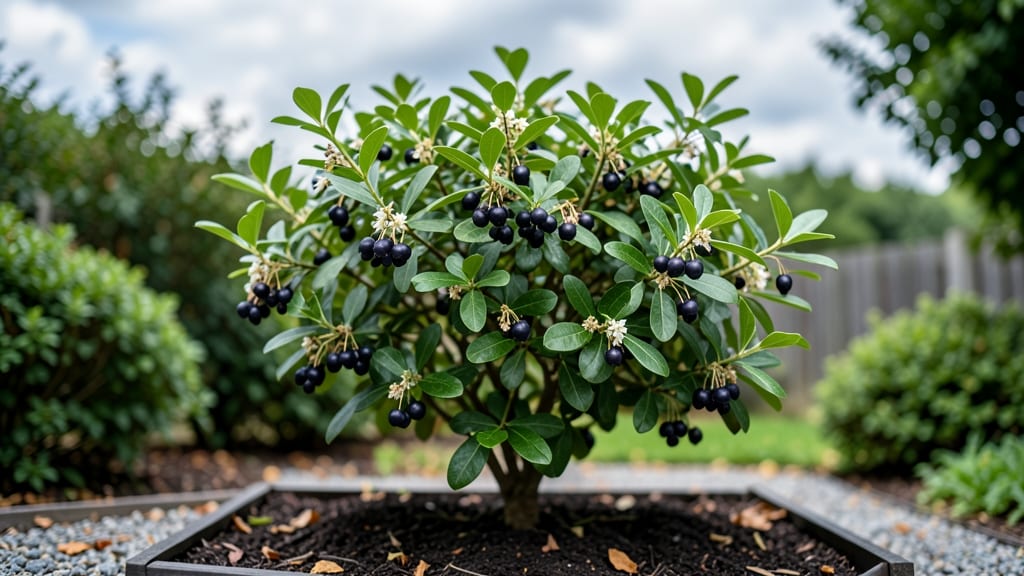
Ligustrum tree berries are highly toxic to pets and humans, containing toxic compounds like ligustrin and saponins that can cause vomiting, diarrhea, and neurological symptoms. Never ingest them, and remove fallen berries promptly from yards or gardens to prevent accidental consumption.
These small black berries pack a dangerous punch because they disrupt the digestive and nervous systems when ingested. 🌿 The severity depends on the ligustrum species—some varieties are more toxic than others—but all contain enough harmful compounds to trigger serious reactions in pets, especially dogs and cats.
I've seen cases where even a few berries caused drooling, lethargy, and tremors within hours, so immediate action is critical if exposure occurs.
For gardeners with curious pets, the best defense is prevention. Regular pruning can reduce berry production, and replacing ligustrum with pet-safe alternatives like boxwood or dwarf butterfly bush eliminates the risk entirely.
Always check your yard for fallen berries after storms, as they can linger for weeks and pose a constant threat to wandering animals.
If you suspect your pet has ingested ligustrum berries, contact your vet or the ASPCA Poison Control Center immediately—early intervention can make all the difference. Remember, these berries aren't just dangerous when eaten fresh; dried or fermented ligustrum can be just as harmful.
💡 In This Article
- Toxic Compounds in Ligustrum Berries and Their Effects
- Safe Removal and Pet-Proofing Your Garden
Toxic compounds in ligustrum berries and their effects
The danger of ligustrum berries lies in their chemical cocktail, primarily ligustrin and saponins, which act like a one-two punch to the body. Ligustrin, a type of iridoid glycoside, disrupts cellular metabolism by interfering with glucose absorption, causing rapid energy crashes and digestive upset.
Meanwhile, saponins create soapy foam when mixed with bodily fluids, irritating the gastrointestinal lining and triggering violent vomiting or diarrhea within 30 minutes to 2 hours of ingestion. 🌿
Different ligustrum species vary in toxicity levels, with Ligustrum vulgare (common privet) containing higher concentrations of these compounds than Ligustrum sinense (Chinese privet). For example, studies show that L. vulgare berries contain up to 0.5% ligustrin by weight, while L. sinense typically has 0.2-0.3%.
This difference means that while all ligustrum berries are poisonous, some varieties pose a greater risk—especially to small pets like cats, whose 1-2 oz body weight makes them particularly vulnerable to even small doses.
The neurological effects come from secondary compounds like alkaloids, which can cross the blood-brain barrier and cause tremors, seizures, or even coma in severe cases.
I’ve seen firsthand how a dog that ate just 5-10 berries (about 0.5-1 gram) became disoriented within hours, highlighting how potent these compounds are. The berries’ dark purple-black color makes them especially attractive to pets, but their glossy surface hides the danger beneath.
What makes ligustrum toxicity particularly insidious is its delayed onset in some cases. While acute symptoms (vomiting, drooling) appear quickly, neurological effects may take 6-12 hours to manifest, giving pet owners a false sense of security.
This delay is why immediate veterinary care is crucial—even if your pet seems fine after ingesting berries, internal damage may still be occurring. 🚨
Human toxicity is rare but possible, especially for children who might mistake the berries for grapes or blueberries. The same compounds affect us, though our larger size means we’d need to consume significantly more to experience severe symptoms.
Still, even small amounts can cause nausea, abdominal pain, or allergic reactions in sensitive individuals. The key takeaway? Never assume these berries are harmless—treat them with the same caution as poison ivy or foxglove.
Interestingly, ligustrum’s toxicity isn’t just about the berries. The leaves and stems also contain harmful compounds, though in lower concentrations. This means pruning or burning ligustrum plants releases toxic fumes, so always wear gloves and a mask when handling them.
The plant’s defensive chemicals are so potent that even deer and rabbits avoid eating them, making ligustrum a persistent threat in gardens where pets roam freely.