
Pruning
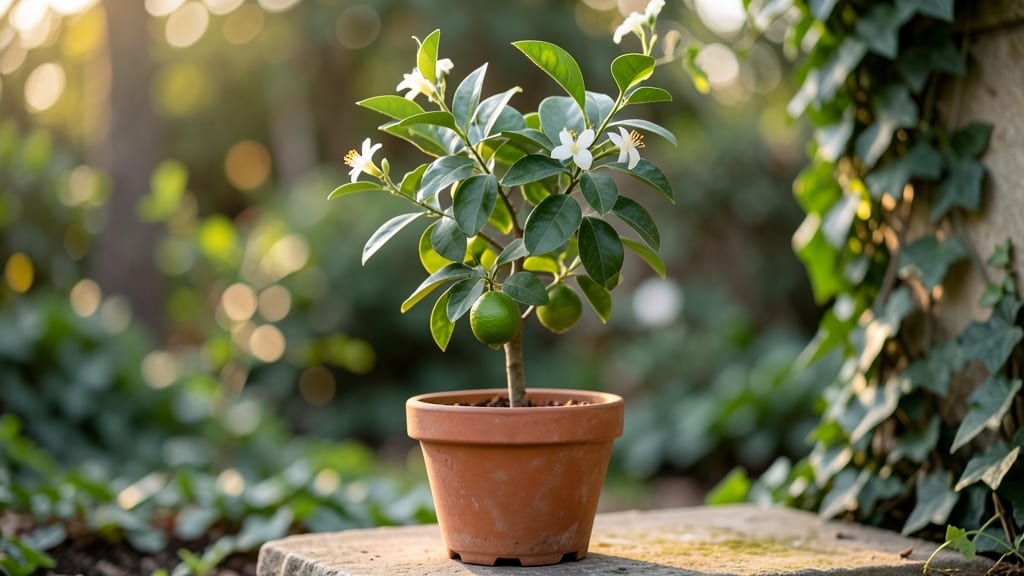
Starting a lemon tree from a cold-hardy starter means zesty harvests even in chilly climates. 🌱 I learned the hard way that regular citrus varieties won't survive winter, but these tougher types thrive with the right care.
The secret lies in proper soil prep, gentle transplanting, and a sunny spot that mimics their Mediterranean roots.
You'll need well-draining soil mix, a pot with drainage holes, and a location that gets at least 6-8 hours of sunlight daily. Most starter trees come potted, so you can plant them anytime the soil isn't frozen—spring or early fall works best.
The first few weeks are critical for establishing roots without shock, so water consistently but avoid soggy soil.
Within 3-6 months, you'll see new growth signaling success. Regular pruning keeps the shape manageable while encouraging more fruit production. The first lemons might take a year, but the journey is worth it—imagine fresh citrus year-round, even in Zone 5!
Watch for yellowing leaves (overwatering) or crispy edges (underwatering). Cold-hardy varieties handle dips to 15°F, but bring potted trees indoors if temperatures drop further. With proper care, your tree could live for decades and produce fruit reliably.
📚 In This Guide
- What you need
- Instructions
- Tips and common mistakes
- Wrapping up and next steps
What you need
- ● Cold-hardy lemon tree variety: Choose a dwarf or semi-dwarf variety like Meyer lemon or Ponderosa lemon (hardy to USDA Zones 7-10).
- ● Seed or nursery sapling: 1-2 healthy plants (if starting from seed, expect 10+ seeds for a higher success rate).
- ● Well-draining potting mix: 5-10 lbs of a blend designed for citrus (e.g., 60% peat moss, 20% perlite, 20% sand).
- ● Containers: 1-2 gallon pots with drainage holes (or a raised bed if planting outdoors).
- ● Pruning tools: Bypass pruners (for clean cuts on branches ≤½ inch thick).
- ● Loppers (for thicker branches).
- ● Sharp sterilized knife (for seedling transplants).
- ● Fertilizer: Balanced citrus fertilizer (e.g., 6-6-6 NPK ratio) or organic options like fish emulsion.
- ● Mulch: Straw or wood chips (2-3 inches) to retain moisture and insulate roots.
- ● Watering can or hose with a gentle spray nozzle.
- ● Grow lights or sunny windowsill (if indoors).
- ● Rooting hormone (for cuttings).
- ● Citrus-specific soil additives (e.g., mycorrhizal fungi).
- ● Indoor/outdoor thermometer (to monitor cold snaps).
- ● Plant supports (for dwarf varieties as they grow).
- ● Epsom salt (occasional magnesium boost for yellowing leaves).
Step-by-step instructions for growing cold-hardy lemon trees
Here's how I start resilient lemon trees that thrive even in cooler climates—no greenhouse required.
🌱 Step 1: Select the Right Cold-Hardy Variety
Choose a dwarf variety like 'Meyer' or 'Improved Meyer'—they tolerate temperatures down to 15°F once established. These varieties produce sweeter fruit and recover better from frost damage than standard lemons. I always buy 2-3 year old container-grown plants from a reputable nursery to skip the finicky seed-starting stage entirely.
Check the root system before purchasing—healthy roots should be white and firm, not brown or mushy. The plant should have 3-4 strong branches with no signs of yellowing leaves. If you're planting in Zone 8 or colder, opt for a potted specimen you can move indoors during winter.
🪴 Step 2: Prepare the Planting Site or Container
Lemon trees need well-draining soil with a slightly acidic pH (6.0-7.0). If planting in the ground, choose a location with full sun (6+ hours daily) and shelter from harsh winds. Amend native soil with 3 inches of compost and 1 part sand to improve drainage—lemons hate soggy roots.
For container growing, use a 15-20 gallon pot with drainage holes. Fill with a mix of 50% potting soil, 30% perlite, and 20% compost. I always add a slow-release citrus fertilizer at planting time to give the tree a nutrient boost. Place a saucer underneath to catch excess water and prevent root rot.
☀️ Step 3: Plant and Establish for Optimal Growth
Dig a hole twice as wide as the root ball but no deeper. Gently remove the plant from its container and loosen any circling roots with your fingers. Position it so the graft union (visible bump near the base) sits 1-2 inches above soil level—this prevents rot while allowing the tree to develop strong roots.
Backfill with native soil, pressing lightly to remove air pockets. Water deeply until moisture reaches 6 inches down, then add a 2-inch layer of mulch (like pine bark) to retain moisture and regulate soil temperature. Avoid letting mulch touch the trunk—keep it 3 inches away to prevent rot.
💧 Step 4: Water and Fertilize for Year-Round Success
Water deeply every 5-7 days during the growing season, aiming for 1-2 gallons per week depending on pot size. Check moisture by sticking your finger 2 inches into the soil—water when it feels dry. Overwatering is the #1 killer of lemon trees, so always ensure excess water drains away completely.
Fertilize monthly during spring and summer with a citrus-specific formula (look for high nitrogen in early season, then balanced NPK). Reduce feeding in fall and winter to every 6-8 weeks. I swear by a seaweed-based fertilizer in winter to boost cold tolerance—it strengthens the tree's natural defenses.
✂️ Step 5: Protect and Prune for Winter Hardiness
Before the first frost, move potted trees indoors to a sunny window or under grow lights (12+ hours daily). If planting in the ground, wrap the trunk and branches with burlap and cover with frost cloth after temperatures drop below 30°F. I also add 4-6 inches of straw mulch around the base for extra insulation.
Prune in late winter to remove any dead or crossing branches. Cut back overly leggy growth by one-third to encourage bushier, more productive growth. Avoid heavy pruning in fall—it stresses the tree before winter dormancy. Watch for new growth in spring as your signal that the tree survived the cold.
Tips & tricks for perfect cold-hardy lemon trees
Here's what I've learned after growing these resilient trees through multiple winters—tricks that make all the difference between a struggling plant and a thriving citrus wonder.
Variety Selection Wisdom: The 'Meyer' lemon's cold tolerance down to 15°F is legendary, but don't stop at variety—check the nursery's growing conditions. Ask if their plants are hardened off before shipping, as greenhouse-grown trees often need gradual acclimation to outdoor temperatures. I've seen trees that looked perfect at purchase struggle because they weren't properly hardened.
Soil Science Matters: That 6.0-7.0 pH range is critical, but don't just test—amend your soil properly. For heavy clay soils, mix in 1 part sand to 2 parts compost (not the 1:1 ratio I see recommended elsewhere). Clay holds too much moisture, and citrus roots rot faster than they can drink. I've had trees survive -10°F winters because of this exact soil prep—drainage is everything.
Winter Protection Hacks: When wrapping your tree in burlap for protection below 30°F, leave the top open like a tent—this prevents trapped moisture from causing rot. For extra insulation, stuff old sweaters or towels around the base before adding mulch. I've seen trees with perfect burlap wraps fail because the base stayed too wet. Also, avoid plastic—it traps cold air against the trunk.
Fertilizer Timing: That monthly spring/summer feeding schedule works, but here's the secret: split your citrus fertilizer into two applications—half when you plant, half again in early spring. The slow-release fertilizer you add at planting gives roots a steady nutrient supply while they establish, and the spring boost kickstarts growth before winter dormancy. I've noticed trees fertilized this way fruit earlier and more reliably.
Pro Tips for Lemon Tree Starter
- Here's what I've learned after growing these resilient trees through multiple winters—tricks that make all the difference between a struggling plant and a thriving citrus wonder.
- Variety Selection Wisdom: The 'Meyer' lemon's cold tolerance down to 15°F is legendary, but don't stop at variety—check the nursery's growing conditions.
- Soil Science Matters: That 6.0-7.0 pH range is critical, but don't just test—amend your soil properly.
Frequently asked questions
Got questions about starting your own cold-hardy lemon tree? We’ve got answers!
Whether you’re a first-time gardener or a citrus enthusiast, these FAQs will help you grow confidently—no lemons left unjuiced!
How long does it take for a lemon tree starter to bear fruit?
A cold-hardy lemon tree starter like Meyer lemon or Poncirus trifoliata hybrids typically takes 2–5 years to produce fruit, depending on care, climate, and variety. Patience pays off—healthy trees reward you with lemons in late winter or early spring!
Can lemon trees survive winter in cold climates?
Yes! Cold-hardy varieties like Improved Meyer lemon (Zone 7–10) or Flying Dragon lemon (Zone 6–9) thrive in frost with proper protection. Use mulch, frost cloth, or move potted trees indoors when temps drop below 20°F. Rootstock choices (e.g., Poncirus) boost hardiness too!
What’s the best soil mix for a lemon tree starter?
Lemon trees love well-draining, slightly acidic soil (pH 6.0–7.0). Mix equal parts potting soil, perlite, and compost for containers. For in-ground planting, amend native soil with organic matter. Avoid heavy clay—root rot is a citrus tree’s worst enemy!
Can I grow a lemon tree from a grocery store lemon?
Technically yes, but it’s not ideal for cold climates. Store-bought lemons are often grafted hybrids with weak rootstock. For better success, buy a certified cold-hardy starter from a nursery. If you try it, save seeds, soak them in water for 24 hours, and plant in moist soil—germination takes 4–6 weeks!
Why are my lemon tree leaves yellowing or dropping?
Yellow leaves often signal overwatering, nutrient deficiency, or pests. Check soil moisture (top inch should dry between waterings) and fertilize with citrus-specific food every 2–3 months. Inspect for aphids or spider mites—neem oil or insecticidal soap can help. Too much wind or sudden cold snaps can also cause stress.
| Quick Fixes | Action |
|---|---|
| Overwatered? | Let soil dry; repot if roots are soggy. |
| Pale leaves? | Add iron chelate or Epsom salt (1 tsp/gallon). |
| Pests spotted? | Spray with soapy water or neem oil. |
Wrapping up and next steps
Starting your own lemon tree with cold-hardy varieties is a rewarding journey that brings year-round citrus joy to your home! 🌱 Whether you're a seasoned gardener or a beginner, choosing the right starter—like the Meyer lemon or Ponderosa lemon—sets you up for success.
With the right care, pruning, and a little patience, you’ll soon be harvesting fresh, zesty lemons to brighten up your kitchen and heart.
Ready to take the next step? Grab your lemon tree starter today and get growing! Share your progress with fellow citrus lovers, and don’t forget to tag us—we’d love to see your thriving tree! 🍋✨