
Trees
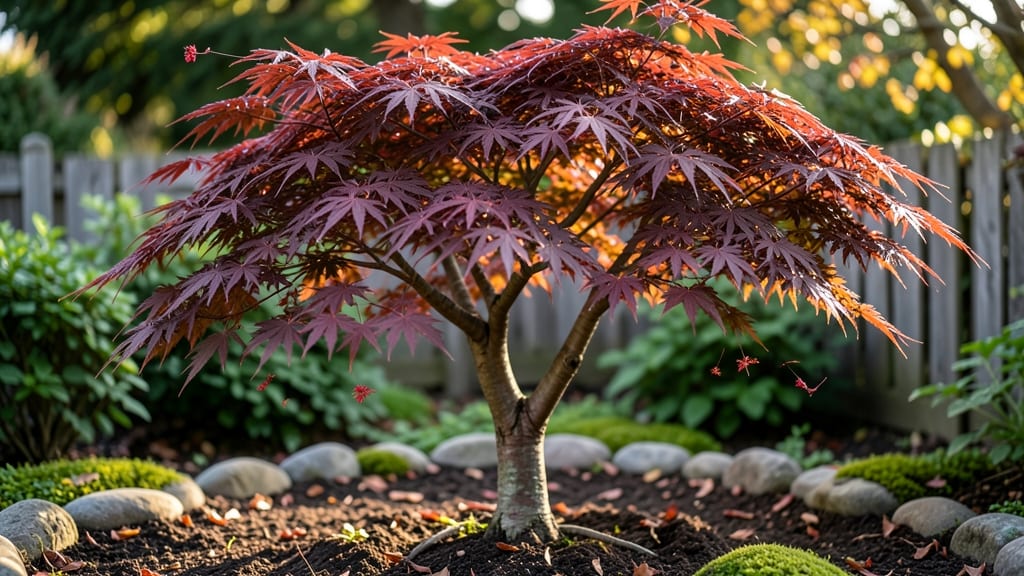
The Japanese Red Maple Tree’s growth rate transforms it from a delicate sapling into a breathtaking landscape centerpiece over decades—with some years seeing 2-foot leaps while others barely budge.
Picture this: a 3-foot tree in spring becomes a 10-foot statement by summer’s end, only to slow dramatically in its teens. That’s the magic—and frustration—of cultivating this iconic 🌳.
The key to unlocking its potential? Understanding the 5 critical stages of its life, from the first year’s fragile shoots to the mature canopy that casts shade for generations.
Most gardeners assume slow growth means patience is the only answer, but soil pH, sunlight exposure, and even pruning timing can turn a decade-long project into a lifespan highlight. I’ll break down the science behind each growth spurt, plus the 3 mistakes that stunt even the hardiest cultivars.
Ready to skip the guesswork? By the end, you’ll know exactly how to coax your Japanese Red Maple into reaching its full height—faster, healthier, and with fewer surprises—whether you’re planting in Zone 6a or a container on your patio.


Japanese Red Maple growth rate by age: annual height increments explained
The Japanese Red Maple (Acer palmatum 'Atropurpureum') starts life as a delicate sapling but matures into a stunning landscape feature. Understanding its growth rate by age helps you plan your garden layout and care routine.
Most cultivars follow a predictable pattern, though some—like 'Bloodgood'—grow faster than others like 'Shishigashira'. Let’s break down the growth stages year by year, including how climate and care impact these increments.
In its first 5 years, a Japanese Red Maple focuses on root and trunk development rather than rapid height gains. This slow start is normal and means you’ll see steady, manageable growth.
By year 5, most trees reach 6-8 feet tall, with a spread nearly as wide as their height. The canopy begins to fill out, but the branches are still delicate. This stage is critical for establishing a strong foundation, so proper watering and soil quality are key.
Here’s a quick visual breakdown of the average annual height increments by age group, including canopy expansion and seasonal influences:
From years 5–10, your Japanese Red Maple enters its fastest growth phase. This is when you’ll see the most dramatic changes, with 2–3 feet of height gain annually. The canopy expands significantly, creating that iconic rounded shape.
In ideal conditions—well-draining, acidic soil and partial shade—some faster-growing cultivars like 'Bloodgood' can reach 10–12 feet tall by year 10. However, cooler climates or drought stress may slow this growth.
After 10 years, the growth rate tapers off as the tree matures. Height increments drop to 1–2 feet per year, but the focus shifts to trunk thickening and canopy density.
This is also when the tree’s fall foliage becomes most vibrant, making it a standout feature in your garden. Pruning during this stage should focus on removing dead branches and shaping rather than encouraging height.
Seasonal climate plays a huge role in growth rate. In warmer climates (USDA Zones 7–9), Japanese Red Maples grow faster year-round, with minimal winter dormancy. In cooler zones (Zones 5–6), growth slows in winter, and spring flushes are critical for annual height gains.
For example, a tree in Zone 6 might gain 3 feet in a good spring but only 1 foot in a cool, wet summer.
Cultivar choice matters too. 'Bloodgood', a popular variety, grows 20–30% faster than slower growers like 'Shishigashira'. If you’re short on space, consider dwarf varieties like 'Bloodgood' (dwarf form), which max out at 10–15 feet tall while still delivering stunning foliage.
Always check the cultivar’s mature size before planting to avoid outgrowing your space.
Pro tip: Mulch annually with 2–3 inches of organic mulch (like wood chips) to retain moisture and encourage root growth. This simple step can boost height gains by 10–15% in the first 5 years.
Pair it with a balanced fertilizer in early spring, and you’ll see healthier, faster growth.
Finally, remember that patience is key with Japanese Red Maples. While they may not grow as fast as a Norway Maple, their slow, steady growth ensures a long lifespan (often 50–100 years) and unmatched seasonal beauty.
With the right care, your sapling will one day become the centerpiece of your garden.
5 Factors that accelerate (or stunt) Japanese Red Maple growth
The Japanese Red Maple (Acer palmatum) grows at its own pace—some years it shoots up like a rocket, while other seasons it barely inches forward.
As someone who’s watched these trees transform my own backyard, I’ve learned that five key factors determine whether your maple becomes a stunted shrub or a stately centerpiece. These aren’t just random observations; they’re the controllable variables that separate a struggling sapling from a thriving giant.
From the acidity of your soil to the pruning decisions you make, each choice sends ripples through your tree’s growth trajectory. For example, a soil pH of 5.0–6.5 can unlock explosive early growth, while neglecting this detail might leave your tree fighting for nutrients year after year.
But it’s not just about the dirt—your sunlight exposure, watering routine, and even your pruning timing play equally critical roles.
Let’s break down these five growth accelerators (and their stunting counterparts) so you can give your Japanese Red Maple the ideal conditions for reaching its full potential—whether that’s 15 feet for a dwarf variety or 30 feet for a standard tree.
The difference between these outcomes often comes down to small, intentional adjustments in your care routine.
- 1 Soil pH (4.5–6.5): Japanese Red Maples are acid-loving trees. Test your soil—if it’s alkaline (pH 7+), amend with sulfur or peat moss to lower pH. A pH of 5.0–6.5 maximizes nutrient uptake, especially for iron and manganese, which fuel vibrant foliage and root expansion.
- 2 Sunlight (Partial Shade > Full Sun): While they tolerate morning sun, afternoon shade in hot climates prevents leaf scorch. In cooler regions, 6+ hours of sun speeds up growth, but avoid harsh afternoon rays. A dappled light spot under other trees often yields the best results for color intensity.
- 3 Watering (Deep & Infrequent): Myth: These trees are drought-tolerant. Reality? They hate dry roots. Water deeply once a week (more in summer) to encourage deep root growth. Surface watering leads to shallow roots and stunted growth. Mulch 3 inches deep to retain moisture and regulate soil temperature.
- 4 Pruning (Late Winter/Early Spring): Prune before buds swell to avoid stress. Remove dead or crossing branches to improve airflow and light penetration. Avoid heavy pruning—it stimulates weak, leggy growth. For thicker trunks, prune selectively to encourage lateral branching and structural strength.
- 5 Climate Zone (USDA 5–8): Growth slows in Zone 5 due to shorter seasons, while Zone 8 trees grow faster but need afternoon shade. Check your last frost date—planting too early in cold zones delays root establishment. In Zone 7+, heat stress can stunt growth; provide afternoon shade during peak summer.
One of the most common mistakes I see is assuming that more water always equals faster growth. In reality, overwatering can suffocate roots and lead to root rot, which stunts growth more effectively than drought. The key is consistency—keeping the soil evenly moist without waterlogging.
I’ve found that drip irrigation or soaker hoses work best for young trees, as they deliver water directly to the root zone without wetting the foliage.
Similarly, pruning at the wrong time can set your tree back for years. If you prune in late summer or fall, you risk encouraging tender new growth that won’t harden off before winter, leading to winter dieback.
Instead, plan your pruning for late winter or early spring, right before the tree breaks dormancy. This timing allows the tree to seal wounds quickly and focus energy on new growth rather than healing.
For gardeners in warmer climates (Zones 7–8), heat can become the hidden growth limiter. While Japanese Red Maples love sunlight, afternoon sun in summer can cause leaf burn and stress the tree.
I’ve seen trees in full sun double their growth rate in spring but then stall in July and August due to heat stress. The solution? Plant near other trees or install light shade cloth during peak heat to protect your tree without sacrificing its need for light.
If you’re planting in cooler climates (Zones 5–6), focus on soil preparation and early planting. Cold soil slows root growth, so amend your planting hole with compost and peat moss to create a warm, nutrient-rich environment.
Planting in early spring (as soon as the ground is workable) gives roots a full growing season to establish before winter. In my own Zone 6 garden, this simple adjustment helped my 3-year-old sapling grow from 4 feet to 8 feet in its first full season.
Remember, every Japanese Red Maple is unique—some cultivars like 'Bloodgood'