
How To
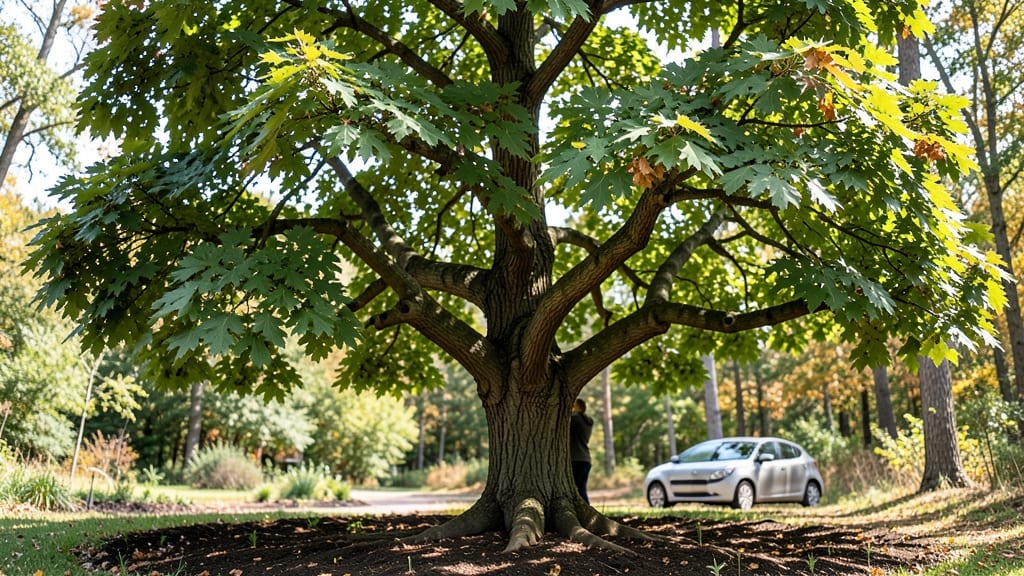
How tall does an elm tree grow? The answer ranges from 40 to 80 feet—towering giants that can dwarf even the tallest buildings in your landscape.
But here’s the twist: not all elms reach those sky-high limits. Some varieties stay compact, making them perfect for small yards or urban spaces, while others shoot up 10 feet per year if given the right conditions.
Wondering which one fits your space—or how to control their growth? You’re in the right place.
Fast growth isn’t the only factor. Soil quality, sunlight, and even pruning play a huge role in whether your elm becomes a shade-providing titan or a manageable backyard feature.
Below, we break down the fastest-growing species, space-saving options, and the key tricks to steer their height in the direction you want.
Ready to plant with confidence? Discover how tall your elm really will grow—and how to shape it long before it outpaces your expectations.


Average elm tree heights by species: from dwarf to giant varieties
Elm trees are legendary for their towering presence, but not all varieties reach skyscraper heights. Some stay compact enough for urban gardens, while others grow tall enough to rival redwoods.
The average elm tree height depends entirely on the species—from dwarf cultivars under 25 feet to giant elms topping 100 feet. Whether you’re planning a shade canopy or a street-side specimen, choosing the right variety is key to fitting your space.
Native American elms like the slippery elm and rock elm offer a mix of heights, while disease-resistant hybrids like Patriot and Discovery grow faster and taller. If you’re working with limited space, compact varieties like Ulmus 'Glenwood' or 'Pioneer' stay under 30 feet while still providing shade.
Let’s break down the height ranges and growth rates so you can pick the perfect fit for your landscape.
| Species | Mature Height | Growth Rate (ft/year) | Best For |
|---|---|---|---|
| American Elm (Ulmus americana) | 70–80 ft | 2–3 ft | Large estates, parks |
| Slippery Elm (Ulmus rubra) | 50–70 ft | 1.5–2.5 ft | Shade trees, wildlife habitats |
| Rock Elm (Ulmus thomasii) | 60–75 ft | 2 ft | Rural landscapes, windbreaks |
| Patriot Elm (Ulmus 'Patriot') | 50–60 ft | 3–4 ft | Urban streets, disease resistance |
| Discovery Elm (Ulmus 'Discovery') | 40–50 ft | 2.5–3.5 ft | Small yards, fast shade |
| Ulmus 'Glenwood' | 20–25 ft | 1–1.5 ft | Patios, small gardens |
| Ulmus 'Pioneer' | 25–30 ft | 1.5–2 ft | Street trees, urban planting |
| Dodo Elm (Ulmus 'Dodo') | 15–20 ft | 1 ft | Containers, tiny yards |
| New Horizon (Ulmus 'New Horizon') | 40–50 ft | 2–3 ft | Fast-growing shade |
| Lacebark Elm (Ulmus parvifolia) | 30–40 ft | 1.5–2 ft |
Fastest-growing elm trees: how quickly they reach mature heightIf you're dreaming of a towering shade tree that grows faster than your patience can handle, some elm varieties will deliver—Ulmus 'Discovery' and Ulmus 'Patriot' are the speed demons of the elm world. These hybrids can shoot up 3–5 feet per year under ideal conditions, reaching 30–50 feet in just 10–15 years. That’s not just fast; it’s backyard transformation speed. But here’s the catch: their growth depends on soil quality, sunlight, and smart pruning—not just wishful thinking. I planted a Patriot elm in my front yard last spring, and by summer, it was already 8 feet tall—double what the nursery predicted. The secret? Well-draining soil mixed with compost and full sun exposure. Without these, even the fastest elms will slow to a crawl. Let’s break down the top contenders and how to push their growth to the max.
Think full sun is a must? Absolutely—but even the fastest elms will struggle in shady spots. My neighbor’s Discovery elm grew only 2 feet its first year because it was planted under a dense oak canopy. Move it to 6+ hours of direct sunlight, and watch it sprint. Pair that with deep, infrequent watering (think 20 gallons every 10–14 days in dry spells), and you’ve got the perfect growth cocktail. Pruning isn’t just about shaping—it’s a growth accelerator. I prune my Patriot elm once a year in late winter, removing dead branches and suckers to focus energy on vertical growth. Pro tip: Use clean, sharp tools to avoid disease. And here’s a trick I learned from a local arborist: Top the tree at 6–8 feet when young to encourage a single strong trunk instead of multiple weak stems. This keeps it sturdy and speedy. Want to double-check your elm’s growth potential? Compare its variety to the chart above, then adjust your soil, sunlight, and watering to match its needs. A Patriot elm in my friend’s yard hit 15 feet in 3 years—all because she mulched heavily and fertilized in early spring. The key? Consistency. Fast growth isn’t magic; it’s science + elbow grease. Ready to plant? Grab a fast-growing hybrid, prep your soil, and get pruning. In 10 years, you’ll have a shade canopy that puts most trees to shame—without the decades-long wait. Just remember: patience is still part of the game, even with speed demons like these. 🌳 |